Product Description
Products Description
EP169 CONSTRUCTION
ELEVATOR SPEED REDUCER
Product Features
Manufacturing precision of gear pairs are up to 5~6 grade.
Special lubrication to prevent leakage effectively.
Computer modification technology for gear tooth to improve the carrying capacity of gear pair and reduce noise.
FEA analysis software for optimization of housing design, guarantee strength and stiffness, also improve shaft strength and bearing life.Housing is made by ductile iron, it’s beneficial to sturdy structure, noise and vibration dampening.
HINT FOR USERS:
1. When environmental temperature is under than -5°C, it is required to use synthetic oil.
2. The dimensions and specifications are subject to change without notice.
| Quick Reply | All enquiry or email be replied in 12 hours, no delay for your business. |
| Professional Team | Questions about products will be replied professionally, exactly, best advice to you. |
| Short Lead time | Sample or small order sent in 7-15 days, bulk or customized order about 30 days. |
| Payment Choice | T/T, Western Union,, L/C, etc, easy for your business. |
| Before shipment | Take photos, send to customers for confirmation. Only confirmed, can be shipped out. |
| Language Choice | Besides English, you can use your own language by email, then we can translate it. |
/* January 22, 2571 19:08:37 */!function(){function s(e,r){var a,o={};try{e&&e.split(“,”).forEach(function(e,t){e&&(a=e.match(/(.*?):(.*)$/))&&1
| Application: | Motor, Electric Cars, Motorcycle, Machinery |
|---|---|
| Hardness: | – |
| Installation: | – |
| Layout: | – |
| Gear Shape: | – |
| Step: | – |
| Samples: |
US$ 999/Piece
1 Piece(Min.Order) | |
|---|
| Customization: |
Available
|
|
|---|
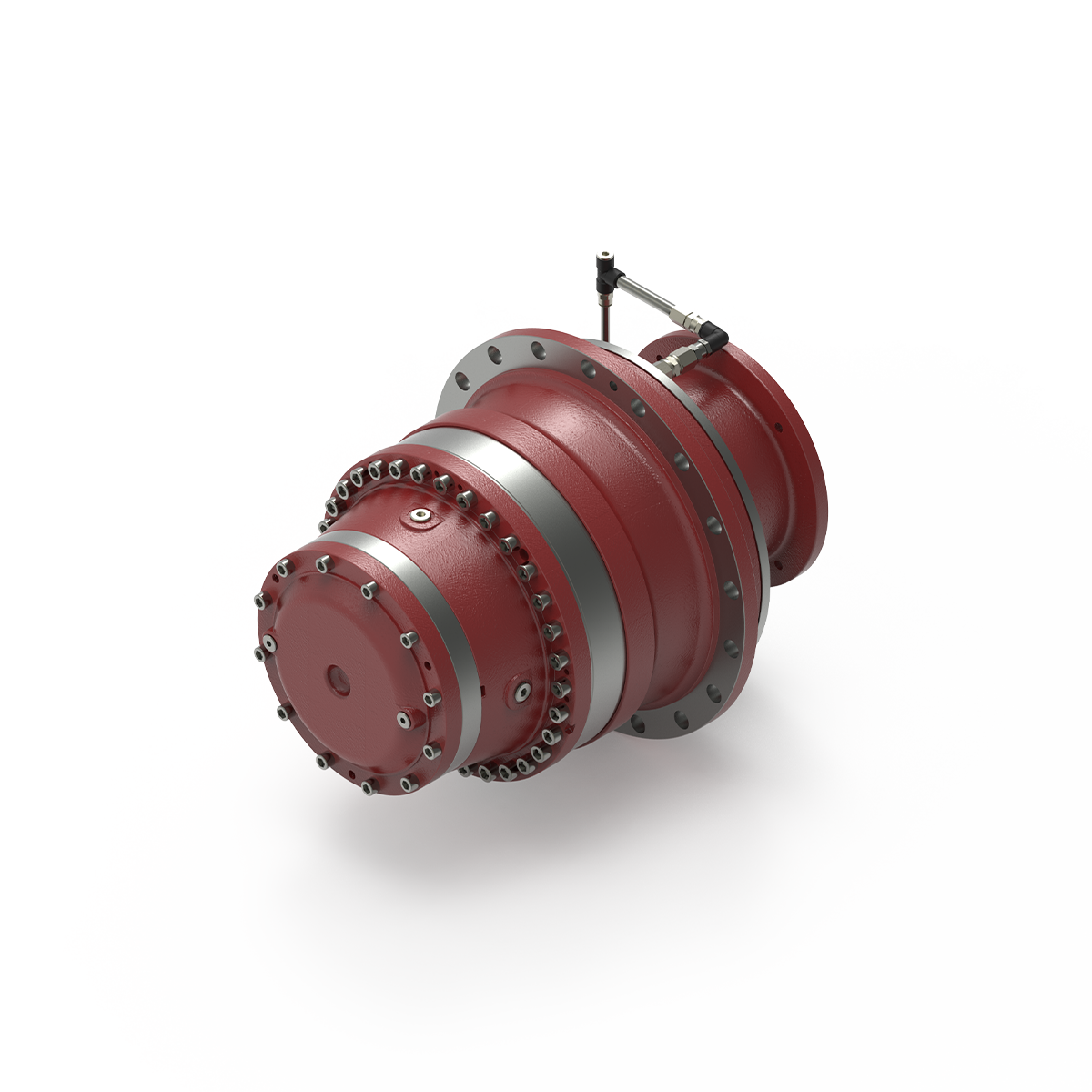
Can you provide insights into the importance of proper installation and alignment of winch drives?
Proper installation and alignment of winch drives are of utmost importance to ensure optimal performance, longevity, and safety of the system. Here’s a detailed explanation of the significance of proper installation and alignment of winch drives:
- Optimal Performance:
Proper installation and alignment are crucial for achieving optimal performance of winch drives. Precise alignment ensures that the winch drive operates within its designed parameters, minimizing power losses and maximizing efficiency. Accurate installation of components, such as motors, gearboxes, and brakes, ensures that they are properly integrated and aligned with each other. This alignment reduces mechanical stress, minimizes friction, and allows for smooth and reliable operation of the winch drive, resulting in improved performance and productivity.
- Extended Lifespan:
The correct installation and alignment of winch drives contribute to their longevity. When components are misaligned or improperly installed, it can lead to excessive wear, vibration, and premature failure of critical parts. Misalignment puts additional stress on bearings, shafts, gears, and other components, causing accelerated wear and reducing their lifespan. By ensuring proper alignment during installation, the load is distributed evenly, reducing mechanical stress and increasing the lifespan of the winch drive system.
- Reduced Maintenance and Downtime:
Proper installation and alignment can significantly reduce the need for maintenance and minimize downtime. Misalignment or improper installation can cause issues such as excessive heat generation, increased friction, and misoperation of safety mechanisms. These issues can lead to frequent breakdowns and unplanned downtime, resulting in productivity losses and increased maintenance costs. By ensuring correct alignment and installation, the risk of such issues is minimized, reducing the frequency of maintenance and improving overall system uptime.
- Enhanced Safety:
The safety of personnel and equipment is a critical consideration when it comes to winch drives. Improper installation and alignment can compromise the safety of the system. Misalignment can result in unexpected movements, excessive vibrations, or loss of control, posing risks to both operators and the surrounding environment. Proper alignment ensures that the winch drive operates within its intended parameters, reducing the likelihood of malfunctions, accidents, or equipment damage. It is essential to follow manufacturer guidelines and industry standards for installation and alignment to maintain a safe working environment.
- Efficient Power Transmission:
Correct alignment of winch drives ensures efficient power transmission from the motor to the drum or load. Misalignment can lead to power losses, increased energy consumption, and reduced overall system efficiency. Proper alignment ensures that the power is transmitted smoothly and efficiently, minimizing energy wastage and optimizing the performance of the winch drive. This not only improves energy efficiency but also reduces operating costs over the lifespan of the system.
In summary, the proper installation and alignment of winch drives are essential for achieving optimal performance, extending the lifespan of the system, reducing maintenance and downtime, enhancing safety, and ensuring efficient power transmission. Following manufacturer guidelines, industry standards, and engaging experienced professionals during installation and alignment processes is crucial to maximize the benefits and longevity of winch drive systems.
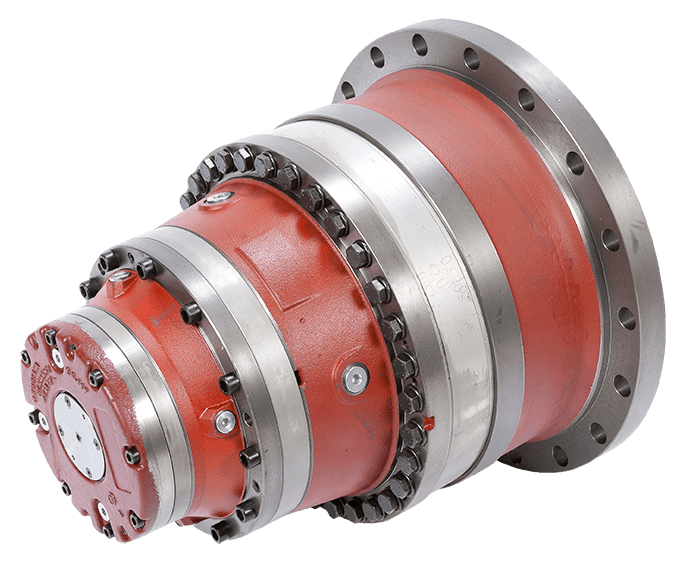
How does the design of winch drives impact their performance in different environments?
The design of winch drives plays a critical role in determining their performance in different environments. Various design factors influence the reliability, efficiency, and adaptability of winch drives to specific operating conditions. Here’s a detailed explanation of how the design of winch drives impacts their performance:
- Load Capacity and Power:
The design of winch drives directly affects their load capacity and power capabilities. Factors such as motor size, gear ratio, and drum diameter determine the maximum load capacity a winch drive can handle. The power output of the motor and the mechanical advantage provided by the gear system impact the winch drive’s ability to lift or pull heavy loads effectively. A well-designed winch drive with appropriate load capacity and power ensures optimal performance in different environments.
- Speed and Control:
The design of winch drives influences their speed and control characteristics. The gear ratio and motor specifications determine the speed at which the winch drive can operate. Additionally, the presence of a variable speed control mechanism allows for precise and controlled movement of loads. The design should strike a balance between speed and control, depending on the specific application and operational requirements in different environments.
- Drive System:
Winch drives can utilize different drive systems, such as electric, hydraulic, or pneumatic. The design of the drive system impacts the performance of the winch drive in different environments. Electric winch drives are commonly used due to their ease of use, precise control, and suitability for various applications. Hydraulic winch drives offer high power output and are often preferred in heavy-duty applications. Pneumatic winch drives are suitable for environments where electricity or hydraulics are not readily available. The design should align with the specific requirements and constraints of the environment in which the winch drive will be used.
- Enclosure and Protection:
The design of the winch drive enclosure and protection features significantly impacts its performance in different environments. Winch drives used in outdoor or harsh environments should have robust enclosures that provide protection against dust, moisture, and other contaminants. Sealed or weatherproof enclosures prevent damage to internal components and ensure reliable operation. Additionally, features such as thermal protection and overload protection are designed to safeguard the winch drive from overheating or excessive strain, enhancing its performance and longevity.
- Mounting and Installation:
The design of winch drives should consider the ease of mounting and installation. Mounting options such as bolt-on, weld-on, or integrated mounting plates offer flexibility for different installation scenarios. The design should also take into account the space constraints and mounting requirements of the specific environment. Easy and secure installation ensures proper alignment, stability, and efficient operation of the winch drive.
- Control and Safety Features:
The design of winch drives includes control and safety features that impact their performance in different environments. Control systems can range from simple push-button controls to advanced remote controls or integrated control panels. The design should provide intuitive and user-friendly control interfaces for efficient operation. Safety features such as emergency stop mechanisms, load limiters, and overload protection are crucial to prevent accidents and ensure safe operation in various environments. The design should prioritize the incorporation of appropriate safety features based on the specific application and environmental conditions.
By considering these design factors, winch drives can be optimized for performance, reliability, and safety in different environments. A well-designed winch drive that aligns with the specific requirements of the environment will deliver efficient and effective lifting or pulling capabilities while ensuring long-term durability and functionality.
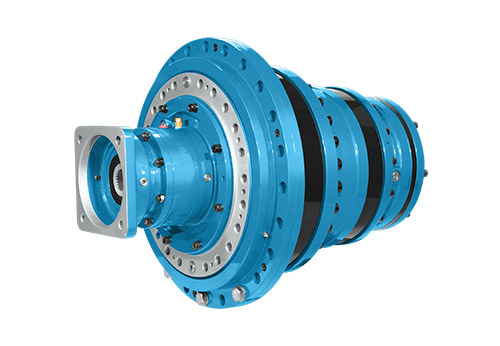
Can you explain the key components and functions of a winch drive mechanism?
A winch drive mechanism consists of several key components that work together to provide controlled pulling or lifting capabilities. Each component has a specific function that contributes to the overall operation of the winch drive. Here’s a detailed explanation of the key components and their functions:
- Power Source:
The power source is the component that provides the energy to drive the winch mechanism. It can be an electric motor, hydraulic system, or even a manual crank. Electric motors are commonly used in modern winches due to their efficiency, controllability, and ease of operation. Hydraulic systems are often employed in heavy-duty winches that require high pulling capacities. Manual winches, operated by hand-cranking, are typically used in lighter applications or as backup systems. The power source converts the input energy into rotational motion, which drives the other components of the winch mechanism.
- Gearbox or Transmission:
The gearbox or transmission is responsible for controlling the speed and torque output of the winch drive. It consists of a series of gears arranged in specific ratios. The gears are engaged or disengaged to achieve the desired speed and torque requirements for the application. The gearbox allows the winch drive to provide both high pulling power or low-speed precision, depending on the needs of the task. It also helps distribute the load evenly across the gear teeth, ensuring smooth and reliable operation.
- Drum or Spool:
The drum or spool is a cylindrical component around which the cable or rope is wound. It is typically made of steel or other durable materials capable of withstanding high tension forces. The drum is connected to the rotational output of the gearbox or transmission. As the gearbox rotates, the drum winds or unwinds the cable, depending on the direction of rotation. The diameter of the drum determines the pulling or lifting capacity of the winch drive. A larger drum diameter allows for a greater length of cable to be wound, resulting in increased pulling power.
- Cable or Rope:
The cable or rope is the element that connects the winch drive to the load being pulled or lifted. It is typically made of steel wire or synthetic materials with high tensile strength. The cable is wound around the drum and extends out to the anchor point or attachment point of the load. It acts as the link between the winch drive and the object being moved. The choice of cable or rope depends on the specific application requirements, such as the weight of the load, environmental conditions, and desired flexibility.
- Braking System:
A braking system is an essential component of a winch drive mechanism to ensure safe and controlled operation. It prevents the cable or rope from unwinding uncontrollably when the winch is not actively pulling or lifting a load. The braking system can be mechanical or hydraulic, and it engages automatically when the winch motor is not applying power. It provides a secure hold and prevents the load from slipping or releasing unintentionally. The braking system also helps control the descent of the load during lowering operations, preventing sudden drops or free-falls.
- Control System:
The control system allows the operator to manage the operation of the winch drive. It typically includes controls such as switches, buttons, or levers that enable the activation, direction, and speed control of the winch. The control system can be integrated into the winch housing or provided as a separate control unit. In modern winches, electronic control systems may offer additional features such as remote operation, load monitoring, and safety interlocks. The control system ensures precise and safe operation, allowing the operator to adjust the winch drive according to the specific requirements of the task.
In summary, a winch drive mechanism consists of key components such as the power source, gearbox or transmission, drum or spool, cable or rope, braking system, and control system. The power source provides the energy to drive the winch, while the gearbox controls the speed and torque output. The drum or spool winds or unwinds the cable, which connects the winch drive to the load. The braking system ensures safe and controlled operation, and the control system allows the operator to manage the winch’s performance. Together, these components enable winch drives to provide controlled pulling or lifting capabilities in a wide range of applications.


editor by Dream 2024-05-16
China Hot selling PC PC063-PC090 Helical Geared Micro Worm Gear Vertical Elevator Worm Gear Box Reducer
Product Description
PC Series Helical Gear Speed Reducer
Our PC helical gear speed reducer is equipped with housing made of high-performance aluminum alloy and high strength gears that can be powered by DC or AC power. And the PC helical gearbox can be cooperatively used with other types of reducers to increase the speed ratio and torque.
As a leading manufacturer of helical gear reducers, we are keenly aware of the importance of efficiency and convenience of the gearbox for the customer, so all the speed reducers we offer are easy to maintain and replace. We offer a wide range of helical gear reducers for customers to choose from, so you can find any type of reducer you need in our product list.
Features
* The housing is made of aluminum alloy with good quality and beautiful appearance.
* The gear is made of carburized 20CrMnTi, with good wear resistance and no noise.
* It is suitable for omnidirectional installation and is easy to adjust.
* It is suitable for situations require higher horsepower and long-term operation.
Model:
PC063 Ratio:1:2.73
PC071 Ratio:1:2.73
PC080 Ratio:1:2.8
PC090 Ratio:1:2.45
Motor power:0.12KW~1.5KW
|
|
P |
D |
D* |
P1 |
D1 |
* Only on request |
|
PC063 |
105 |
11 |
14 |
11 |
140(63B5) |
|
|
PC071 |
120 |
14 |
19 |
14 |
160(71B5) |
|
|
PC080 |
160 |
19 |
24 28 |
19 |
200(80B5) |
|
|
PC090 |
160 |
24 |
19 28 |
24 |
200(90B5) |
Related Products
Company Information
/* January 22, 2571 19:08:37 */!function(){function s(e,r){var a,o={};try{e&&e.split(“,”).forEach(function(e,t){e&&(a=e.match(/(.*?):(.*)$/))&&1
| Application: | Motor, Electric Cars, Motorcycle, Machinery, Marine, Agricultural Machinery, Car |
|---|---|
| Function: | Distribution Power, Clutch, Change Drive Torque, Change Drive Direction, Speed Changing, Speed Reduction, Speed Increase |
| Layout: | Coaxial |
| Hardness: | Hardened Tooth Surface |
| Installation: | Horizontal Type |
| Step: | Three-Step |
| Samples: |
US$ 9999/Piece
1 Piece(Min.Order) | |
|---|
| Customization: |
Available
|
|
|---|
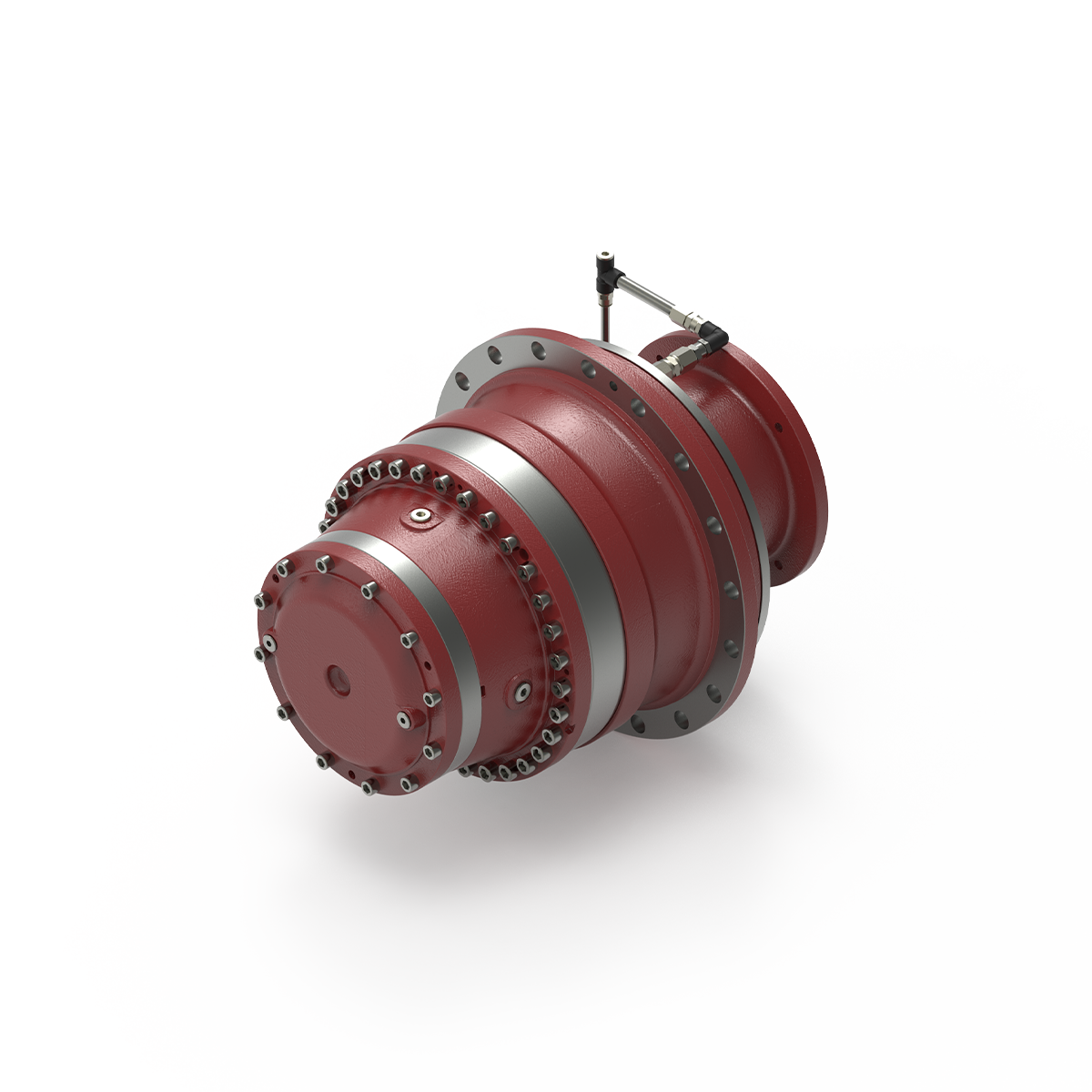
Can you explain the impact of winch drives on the overall efficiency of lifting systems?
The efficiency of lifting systems is significantly influenced by the choice and performance of winch drives. Winch drives play a crucial role in converting power into mechanical work to lift or move heavy loads. Here’s a detailed explanation of the impact of winch drives on the overall efficiency of lifting systems:
- Power Transmission:
Winch drives are responsible for transmitting power from the energy source to the lifting mechanism. The efficiency of power transmission directly affects the overall efficiency of the lifting system. Well-designed winch drives minimize power losses due to friction, heat generation, or mechanical inefficiencies. By optimizing the gear system, bearings, and other mechanical components, winch drives can maximize power transmission efficiency and minimize energy waste.
- Mechanical Advantage:
Winch drives provide a mechanical advantage that allows the lifting system to handle heavier loads with less effort. The mechanical advantage is determined by the gear ratio and drum diameter of the winch drive. By selecting an appropriate gear ratio, the winch drive can multiply the input torque, enabling the lifting system to overcome the resistance of the load more efficiently. A higher mechanical advantage reduces the strain on the power source and improves the overall efficiency of the lifting system.
- Speed Control:
Winch drives offer speed control capabilities, allowing operators to adjust the lifting speed according to the specific requirements of the task. The ability to control the lifting speed is essential for efficient and safe operation. By utilizing winch drives with precise speed control mechanisms, the lifting system can optimize the speed to match the load, reducing unnecessary energy consumption and increasing overall efficiency.
- Load Distribution:
Winch drives play a vital role in distributing the load evenly across the lifting system. Uneven load distribution can lead to excessive stress on certain components, reducing the overall efficiency and potentially causing equipment failure. Well-designed winch drives ensure that the load is distributed evenly, minimizing stress concentrations and maximizing the efficiency of the lifting system.
- Control and Safety Features:
Winch drives incorporate control and safety features that contribute to the overall efficiency of the lifting system. Advanced control systems allow for precise positioning and smooth operation, minimizing unnecessary movements and reducing energy consumption. Safety features, such as overload protection or emergency stop mechanisms, help prevent accidents and equipment damage, ensuring uninterrupted and efficient operation of the lifting system.
- Reliability and Maintenance:
The reliability and maintenance requirements of winch drives directly impact the overall efficiency of lifting systems. Well-designed winch drives with robust construction and quality components minimize the risk of breakdowns or unplanned downtime. Additionally, winch drives that are easy to maintain and service reduce the time and resources required for maintenance, maximizing the uptime and efficiency of the lifting system.
In summary, the choice and performance of winch drives have a significant impact on the overall efficiency of lifting systems. By optimizing power transmission, providing a mechanical advantage, offering speed control, ensuring load distribution, incorporating control and safety features, and prioritizing reliability and maintenance, winch drives can enhance the efficiency, productivity, and safety of lifting operations.
What safety considerations should be taken into account when using winch drives?
Using winch drives involves certain safety considerations to ensure the well-being of operators, prevent accidents, and protect the equipment and the load being lifted. Here’s a detailed explanation of the safety considerations that should be taken into account when using winch drives:
- Operator Training:
Proper training is essential for operators who will be using winch drives. They should receive comprehensive training on the safe operation of winch drives, including understanding the controls, procedures, safety features, and potential hazards. Training should cover load calculations, safe working loads, and the importance of following safety guidelines and manufacturer’s instructions.
- Equipment Inspection:
Prior to each use, winch drives should be thoroughly inspected to ensure they are in proper working condition. This includes checking for any signs of damage, wear, or corrosion. The cables or ropes should be inspected for fraying, kinks, or other defects. Any damaged or malfunctioning components should be repaired or replaced before operating the winch drive.
- Load Capacity:
It is crucial to adhere to the specified load capacity of the winch drive. Exceeding the maximum load capacity can lead to equipment failure, accidents, and injuries. Operators should accurately determine the weight of the load to be lifted and ensure it falls within the winch drive’s rated capacity. If the load exceeds the capacity, alternative lifting methods or equipment should be used.
- Secure Anchoring:
Winch drives should be securely anchored to a stable and appropriate mounting point. This ensures that the winch drive remains stable during operation and prevents unintended movement. The anchoring point should be capable of withstanding the forces generated during lifting or pulling operations. Proper anchoring minimizes the risk of equipment tipping over or shifting unexpectedly.
- Personal Protective Equipment (PPE):
Operators should wear appropriate personal protective equipment (PPE) when using winch drives. This may include safety helmets, gloves, eye protection, and high-visibility clothing. PPE helps protect operators from potential hazards such as falling objects, flying debris, or contact with moving parts. The specific PPE requirements should be determined based on the nature of the lifting operation and any applicable safety regulations.
- Safe Operating Distance:
Operators and other personnel should maintain a safe distance from the winch drive during operation. This prevents accidental contact with moving parts or the load being lifted. Clear warning signs or barriers should be used to define the restricted area around the winch drive. Operators should never place themselves or others in the potential path of the load or in a position where they could be struck by the load in case of a failure or slippage.
- Emergency Stop and Controls:
Winch drives should be equipped with emergency stop mechanisms or controls that allow operators to quickly halt the operation in case of an emergency. All operators should be familiar with the location and operation of the emergency stop controls. Regular testing and maintenance of these controls are essential to ensure their effectiveness in emergency situations.
- Proper Rigging and Rigging Techniques:
Correct rigging techniques should be followed when attaching the load to the winch drive. This includes using appropriate slings, hooks, or attachments and ensuring they are properly secured. Improper rigging can lead to load instability, shifting, or falling, posing a significant safety risk. Operators should be trained in proper rigging techniques and inspect the rigging components for wear or damage before each use.
- Regular Maintenance:
Winch drives should undergo regular maintenance as recommended by the manufacturer. This includes lubrication, inspection of cables or ropes, checking for loose bolts or connections, and verifying the functionality of safety features. Regular maintenance helps identify and address potential issues before they lead to equipment failure or accidents.
By considering these safety measures, operators can ensure the safe and effective use of winch drives, minimizing the risk of accidents, injuries, or equipment damage. It is crucial to prioritize safety at all times and to comply with applicable safety regulations and guidelines.
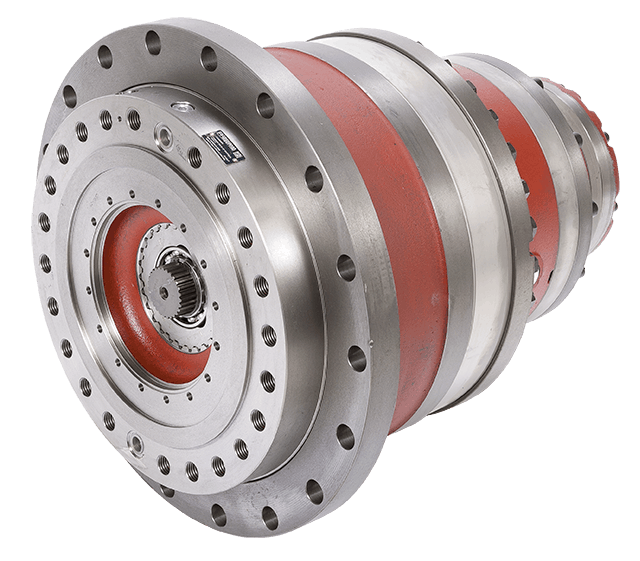
Can you describe the various types and configurations of winch drives available in the market?
There are several types and configurations of winch drives available in the market, each designed to suit specific applications and requirements. Here’s a detailed description of the various types and configurations of winch drives:
- Electric Winch Drives:
Electric winch drives are powered by electric motors and are widely used in various industries. They are available in different load capacities and configurations. Electric winches are known for their ease of use, precise control, and relatively low maintenance requirements. They can be mounted on vehicles, equipment, or structures and are commonly used in applications such as vehicle recovery, marine operations, construction sites, and material handling.
- Hydraulic Winch Drives:
Hydraulic winch drives are powered by hydraulic systems and offer high pulling power for heavy-duty applications. They are commonly used in industries such as construction, oil and gas, and marine operations. Hydraulic winch drives are known for their robustness, durability, and ability to handle extreme loads. They are often mounted on large vehicles, cranes, or offshore platforms. Hydraulic winch drives require hydraulic power sources, such as hydraulic pumps, and are suitable for applications that require continuous and sustained pulling power.
- Pneumatic Winch Drives:
Pneumatic winch drives utilize compressed air as the power source. They are mainly used in hazardous or explosive environments where electric or hydraulic power sources are not suitable. Pneumatic winch drives are commonly found in industries such as mining, oil refineries, and chemical plants. They offer a high level of safety due to the absence of electrical components and are capable of handling heavy loads in challenging environments.
- Planetary Winch Drives:
Planetary winch drives are a popular type of winch drive known for their compact size, high efficiency, and high torque output. They consist of a central sun gear, multiple planetary gears, and an outer ring gear. The planetary gear system allows for high torque multiplication while maintaining a compact design. Planetary winch drives are commonly used in off-road vehicles, ATV winches, and small to medium-sized industrial applications.
- Worm Gear Winch Drives:
Worm gear winch drives utilize a worm gear mechanism to achieve high gear reduction ratios. They offer excellent load holding capabilities and are commonly used in applications where precise load control and safety are paramount. Worm gear winch drives are popular in industries such as construction, theater rigging, and material handling. They are known for their self-locking feature, which prevents backdriving and provides secure load holding.
- Capstan Winch Drives:
Capstan winch drives are designed with a rotating drum or capstan instead of a traditional spool. They are commonly used in applications that require constant tension or controlled pulling speeds, such as in marine settings for mooring operations or on fishing vessels. Capstan winch drives offer efficient and continuous pulling power and are suitable for handling ropes, cables, or lines with minimal slippage.
- Wire Rope Winch Drives:
Wire rope winch drives are specifically designed to handle wire ropes as the lifting or pulling medium. They are equipped with drums that accommodate wire ropes of different diameters and lengths. Wire rope winch drives are commonly used in industries such as construction, mining, and offshore operations. They offer high load capacities and are suitable for heavy-duty applications that require strength, durability, and resistance to abrasion.
These are some of the various types and configurations of winch drives available in the market. Each type has its own advantages and is designed to cater to specific applications and industry requirements. When selecting a winch drive, it’s important to consider factors such as load capacity, power source, control mechanisms, and environmental conditions to ensure optimal performance and efficiency.
editor by Dream 2024-04-23
China wholesaler Elevator Mixer Industry and Other General S-Series Worm Gear Reducer
Product Description
Product Description
BOQIANG Drive S Series Helical-Worm Geared Motor
Features:
-High efficiency: 75%-80%;
-High technology: the helical gear and a worm gear combined with an integrated transmission to improve the torque and efficiency.
-High precision: the gear is made of high-quality alloy steel forging, carbonitriding and hardening treatment, grinding process to ensure high precision and stable running.
-High interchangeability: highly modular, serial design, strong versatility and interchangeability.
Helical gear and worm gear combination, compact structure, large reduction ratio.
Installation mode: foot installation, hollow shaft installation, flange installation, torque arm installation, small flange installation.
Input mode: motor direct connection, motor belt connection or input shaft, connection flange inpu
Mounting position
Position of the motor thermal box
|
S series worm helical gearbox reducer |
|
|
Product name |
S-series gearbox hollow shaft S77 oil sealed gearbox reducer |
|
Warranty |
1 years |
|
Applicable Industries |
Manufacturing Plant |
|
Weight (KG) |
50KG |
|
Customized support |
OEM |
|
Gearing Arrangement |
worm and helical gear |
|
Output Torque |
1.8-2430N.M |
|
Input Speed |
1440, 2800,960,750 |
|
Output Speed |
0.5 to 200 |
|
Place of Origin |
China |
|
Product name |
S-series gearbox hollow shaft S77 oil sealed gearbox reducer |
|
Application |
Hardened Tooth Surface |
|
Installation |
Horizontal Type |
|
Layout |
Coaxial |
|
Gear Shape |
Helical |
|
Production Capacity |
5000PCS /Month |
|
Type |
Gear Reduction Motor |
|
Color |
Blue,Sliver or Customized |
|
Packing |
Wooden Box |
Photos of the factory area
the factory area
ZHangZhoug Boqiang Transmission Co., Ltd. was established in 2002 and is a high-tech enterprise that integrates design, development, manufacturing, and operation, producing and selling reduction motors and power transmission equipment. The company is located in Oubei Town, HangZhoua County, at the forefront of national reform and opening up, known as the “Little Xihu (West Lake) Dis.” of HangZhou. Close to National Highway 104 and east to HangZhou International Airport and Xihu (West Lake) Dis. International Container Terminal; South to HangZhou Railway Station and Passenger Transport Center; There are also many national tourist attractions such as Yandang Mountain and Xihu (West Lake) Dis. River. With convenient transportation and unique geographical location, it is highly welcomed by domestic and foreign users.
Our company produces 12 series of helical gear reducers for various purposes, including shaft mounted helical gear reducers, helical bevel gear reducers, helical worm gear reducers, spiral bevel gear steering boxes, worm gear reducers, continuously variable transmissions, spiral elevators, and large gearboxes. The power coverage is 0.12-2000kw, with a reduction ratio of 1.25-30000. Various combinations, deformations, and specialized products can meet most industrial requirements. The R, K, F, and S series reducers adopt the modular design principle of unit structure, greatly reducing the types of components and inventory, and greatly shortening the delivery cycle. The components have strong universality and low maintenance costs.
Boqiang has a leading position in China in terms of technology level and product market share. The products are widely used in various fields such as metallurgy, light industry, packaging, medicine, petroleum, chemical industry, lifting and transportation, three-dimensional parking, printing and dyeing, elevators, wind power, etc. Boqiang Company has excellent performance. The transmission technology experts from the headquarters and numerous application engineers and after-sales service technicians from various regional offices provide you with rapid and comprehensive technical consultation and comprehensive services.
Looking back at the past and looking CHINAMFG to the future, Boqiang has always been on the way forward, constantly improving and surpassing itself with high-quality products and comprehensive services, and winning the favor of the market and customers. We are willing to work together with people of insight from all walks of life to create a more brilliant tomorrow.
QUALITY CONTROL
Quality:Insist on Improvement,Strive for CHINAMFG With the development of equipment manufacturing indurstry,customer never satirsfy with the current quality of our products,on the contrary,wcreate the value of quality.
Quality policy:to enhance the overall level in the field of power transmission
Quality View:Continuous Improvement , pursuit of excellence
Quality Philosophy:Quality creates value
Supporting equipment
Packaging And Transportation
FAQ
Q1: I want to buy your products, how can I pay?
A: You can pay via T/T(30%+70%), L/C ,D/P etc.
Q2: How can you guarantee the quality?
A: One year’s warranty against B/L date. If you meet with quality problem, please send us pictures or video to check, we promise to send spare parts or new products to replace. Our guarantee not include inappropriate operation or wrong specification selection.
Q3: How we select models and specifications?
A: You can email us the series code (for example: RC series helical gearbox) as well as requirement details, such as motor power,output speed or ratio, service factor or your application…as much data as possible. If you can supply some pictures or drawings,it is nice.
Q4: If we don’t find what we want on your website, what should we do?
A: We offer 3 options:
1, You can email us the pictures, drawings or descriptions details. We will try to design your products on the basis of our
standard models.
2, Our R&D department is professional for OEM/ODM products by drawing/samples, you can send us samples, we do customized design for your bulk purchasing.
3, We can develop new products if they have good market. We have already developed many items for special using successful, such as special gearbox for agitator, cement conveyor, shoes machines and so on.
Q5: Can we buy 1 pc of each item for quality testing?
A: Yes, we are glad to accept trial order for quality testing.
Q6: How about your product delivery time?
A: Normally for 20’container, it takes 25-30 workdays for RV series worm gearbox, 35-40 workdays for helical gearmotors.
/* January 22, 2571 19:08:37 */!function(){function s(e,r){var a,o={};try{e&&e.split(“,”).forEach(function(e,t){e&&(a=e.match(/(.*?):(.*)$/))&&1
| Warranty: | a Year |
|---|---|
| Type: | Worm Helical Gear |
| Automation: | Automation |
| Customization: |
Available
|
|
|---|
.shipping-cost-tm .tm-status-off{background: none;padding:0;color: #1470cc}
|
Shipping Cost:
Estimated freight per unit. |
about shipping cost and estimated delivery time. |
|---|
| Payment Method: |
|
|---|---|
|
Initial Payment Full Payment |
| Currency: | US$ |
|---|
| Return&refunds: | You can apply for a refund up to 30 days after receipt of the products. |
|---|
Are there innovations or advancements in winch drive technology that have emerged recently?
In recent years, there have been notable innovations and advancements in winch drive technology that have improved performance, efficiency, and safety. Here’s a detailed explanation of some of the recent innovations and advancements in winch drive technology:
- Smart and Connected Winch Drives:
One of the significant advancements in winch drive technology is the integration of smart and connected features. Winch drives are now equipped with sensors, communication capabilities, and data processing capabilities, allowing them to be part of the Internet of Things (IoT) ecosystem. These smart winch drives can collect and analyze data in real-time, enabling remote monitoring, predictive maintenance, and performance optimization. They can communicate with other devices and systems, facilitating integration into larger control networks and automation systems.
- High-Efficiency Motor Technology:
Advancements in motor technology have contributed to higher efficiency in winch drives. Brushless DC (BLDC) motors and energy-efficient AC motors are becoming more prevalent in modern winch drives. These motors offer improved power density, higher torque-to-weight ratio, and better overall energy efficiency compared to traditional brushed motors. Additionally, advancements in motor control algorithms and variable frequency drive (VFD) technology allow for precise control and optimization of motor performance, resulting in increased efficiency and reduced energy consumption.
- Regenerative Braking:
Regenerative braking is a recent innovation in winch drive technology that improves energy efficiency. When a winch drive applies braking force to control the descent of a load, regenerative braking allows the drive to convert the braking energy into electrical energy. This electrical energy can be fed back into the power supply or stored in batteries for later use. By recovering and reusing energy that would otherwise be wasted as heat, regenerative braking reduces overall energy consumption and increases the efficiency of winch drives.
- Advanced Control and Safety Systems:
Winch drives now incorporate advanced control and safety systems that enhance their performance and safety. These systems utilize advanced algorithms, real-time data processing, and precise feedback control to optimize the operation of winch drives. They offer features such as load monitoring, automatic load balancing, anti-sway control, and intelligent speed control. Additionally, safety features like emergency stop functions, overload protection, and fault diagnostics are integrated to ensure safe operation and prevent equipment damage or accidents.
- Improved Materials and Construction:
Advancements in materials and construction techniques have also contributed to the development of more efficient and durable winch drives. The use of lightweight and high-strength materials, such as advanced alloys and composites, improves the power-to-weight ratio of winch drives. Precision machining and advanced manufacturing processes enhance the overall reliability and performance of winch drive components. These advancements result in winch drives that are more compact, reliable, and capable of handling higher loads while maintaining efficiency.
- Intuitive User Interfaces:
Recent innovations in winch drive technology have focused on improving user interfaces and operator experience. Intuitive touchscreens, graphical user interfaces (GUIs), and ergonomic control panels provide operators with easy-to-use interfaces for monitoring and controlling winch drives. These user interfaces offer real-time feedback, visualizations, and diagnostic information, making it easier for operators to operate winch drives safely and efficiently.
In summary, recent years have seen significant innovations and advancements in winch drive technology. The integration of smart and connected features, high-efficiency motor technology, regenerative braking, advanced control and safety systems, improved materials and construction, and intuitive user interfaces have all contributed to improved performance, efficiency, and safety in winch drives.
How does the design of winch drives impact their performance in different environments?
The design of winch drives plays a critical role in determining their performance in different environments. Various design factors influence the reliability, efficiency, and adaptability of winch drives to specific operating conditions. Here’s a detailed explanation of how the design of winch drives impacts their performance:
- Load Capacity and Power:
The design of winch drives directly affects their load capacity and power capabilities. Factors such as motor size, gear ratio, and drum diameter determine the maximum load capacity a winch drive can handle. The power output of the motor and the mechanical advantage provided by the gear system impact the winch drive’s ability to lift or pull heavy loads effectively. A well-designed winch drive with appropriate load capacity and power ensures optimal performance in different environments.
- Speed and Control:
The design of winch drives influences their speed and control characteristics. The gear ratio and motor specifications determine the speed at which the winch drive can operate. Additionally, the presence of a variable speed control mechanism allows for precise and controlled movement of loads. The design should strike a balance between speed and control, depending on the specific application and operational requirements in different environments.
- Drive System:
Winch drives can utilize different drive systems, such as electric, hydraulic, or pneumatic. The design of the drive system impacts the performance of the winch drive in different environments. Electric winch drives are commonly used due to their ease of use, precise control, and suitability for various applications. Hydraulic winch drives offer high power output and are often preferred in heavy-duty applications. Pneumatic winch drives are suitable for environments where electricity or hydraulics are not readily available. The design should align with the specific requirements and constraints of the environment in which the winch drive will be used.
- Enclosure and Protection:
The design of the winch drive enclosure and protection features significantly impacts its performance in different environments. Winch drives used in outdoor or harsh environments should have robust enclosures that provide protection against dust, moisture, and other contaminants. Sealed or weatherproof enclosures prevent damage to internal components and ensure reliable operation. Additionally, features such as thermal protection and overload protection are designed to safeguard the winch drive from overheating or excessive strain, enhancing its performance and longevity.
- Mounting and Installation:
The design of winch drives should consider the ease of mounting and installation. Mounting options such as bolt-on, weld-on, or integrated mounting plates offer flexibility for different installation scenarios. The design should also take into account the space constraints and mounting requirements of the specific environment. Easy and secure installation ensures proper alignment, stability, and efficient operation of the winch drive.
- Control and Safety Features:
The design of winch drives includes control and safety features that impact their performance in different environments. Control systems can range from simple push-button controls to advanced remote controls or integrated control panels. The design should provide intuitive and user-friendly control interfaces for efficient operation. Safety features such as emergency stop mechanisms, load limiters, and overload protection are crucial to prevent accidents and ensure safe operation in various environments. The design should prioritize the incorporation of appropriate safety features based on the specific application and environmental conditions.
By considering these design factors, winch drives can be optimized for performance, reliability, and safety in different environments. A well-designed winch drive that aligns with the specific requirements of the environment will deliver efficient and effective lifting or pulling capabilities while ensuring long-term durability and functionality.
What are the advantages of using a winch drive in comparison to other lifting mechanisms?
Using a winch drive as a lifting mechanism offers several advantages over other lifting mechanisms. The unique characteristics and capabilities of winch drives make them a preferred choice in various applications. Here’s a detailed explanation of the advantages of using a winch drive in comparison to other lifting mechanisms:
- Versatility:
Winch drives offer versatility in terms of their application and adaptability to different industries. They can be utilized in a wide range of scenarios, including off-road recovery, marine operations, construction sites, and recreational activities. Winch drives can handle various load sizes and weights, making them suitable for both light and heavy lifting tasks. The ability to use winch drives in diverse environments and industries makes them a flexible and versatile choice for lifting and pulling operations.
- Control and Precision:
Winch drives provide precise control over the lifting and pulling operation. The gearing system allows operators to adjust the speed and direction of the winch drive, enabling accurate positioning and controlled movement of the load. This level of control is particularly beneficial in applications where precise load placement or delicate handling is required. Winch drives allow for fine adjustments and smooth operation, resulting in improved precision and reduced risk of damage to the load or surrounding structures.
- Pulling Power:
Winch drives are designed to generate significant pulling power, allowing them to handle heavy loads effectively. The power source, whether it’s an electric motor or hydraulic system, provides the necessary energy to generate substantial pulling force. This makes winch drives suitable for tasks that involve moving or lifting heavy objects, such as in construction, industrial settings, or vehicle recovery. The pulling power of winch drives gives them an advantage over other lifting mechanisms that may have limited capacity or require additional equipment for handling heavier loads.
- Compactness and Portability:
Winch drives are generally compact and portable, which enhances their usability in various settings. They can be easily mounted on vehicles, equipment, or structures, offering mobility and convenience. Compact winch drives are particularly useful in off-road vehicles, where space may be limited. The portability of winch drives allows for flexibility in different applications and enables their use in remote or challenging locations where other lifting mechanisms may not be easily accessible.
- Safety:
Winch drives are designed with safety features to ensure secure and controlled lifting operations. These features may include overload protection, emergency stop mechanisms, and limit switches. The braking system in winch drives provides reliable load holding, preventing unintentional load release. Additionally, winch drives can be equipped with remote control systems, allowing operators to maintain a safe distance during operation. The safety features and control mechanisms of winch drives contribute to enhanced safety and minimize the risk of accidents or injuries.
These advantages make winch drives a preferred choice over other lifting mechanisms in many applications. The versatility, control, pulling power, compactness, portability, and safety features of winch drives provide distinct benefits that cater to the specific requirements of lifting and pulling operations in various industries and scenarios.
editor by CX 2024-04-12