Product Description
RV Series Worm Gear Boxes Gearbox Speed Reducer with Electric Motors
|
Input Configurations |
Double or single input shaft (NRV) |
|
PAM / IEC motor input shaft with circle or square flange (NMRV) |
|
|
Output Configurations
|
Double or single output shaft |
|
Output flange |
Technical Data:
| Housing material | Cast iron/Ductile iron |
| Housing hardness | HBS190-240 |
| Gear material | 20CrMnTi alloy steel |
| Surface hardness of gears | HRC58°~62 ° |
| Gear core hardness | HRC33~40 |
| Input / Output shaft material | 42CrMo alloy steel |
| Input / Output shaft hardness | HRC25~30 |
| Machining precision of gears | accurate grinding, 6~5 Grade |
| Lubricating oil | GB L-CKC220-460, Shell Omala220-460 |
| Heat treatment | tempering, cementiting, quenching, etc. |
| Efficiency | 94%~96% (depends on the transmission stage) |
| Noise (MAX) | 60~68dB |
| Temp. rise (MAX) | 40°C |
| Temp. rise (Oil)(MAX) | 50°C |
| Vibration | ≤20µm |
| Backlash | ≤20Arcmin |
| Brand of bearings | China top brand bearing, HRB/LYC/ZWZ/C&U. Or other brands requested, NSK. |
| Brand of oil seal | NAK — ZheJiang or other brands requested |
Specification
|
Model |
Motor Input Flange (circle) |
Transmission Ratio |
Power (kw) |
Ratio (i) |
Nominal Torque (Nm) |
|||||||||||||||
|
PAM / IEC |
Internal Dia. |
Dis. Between Diagonal Screw Holes |
External Dia. |
Width of Key Slot |
5 |
7.5 |
10 |
15 |
20 |
25 |
30 |
40 |
50 |
60 |
80 |
100 |
||||
|
N |
M |
P |
E |
Diamter of Input Shaft |
||||||||||||||||
|
NMRV25 |
56B14 |
50 |
65 |
80 |
3 |
9 |
– |
9 |
– |
0.06 |
7.5-60 |
2.6-14 |
||||||||
|
NMRV30 |
63B5 |
95 |
115 |
140 |
4 |
11 |
– |
0.06-0.18 |
7.5-80 |
2.6-14 |
||||||||||
|
63B14 |
60 |
75 |
90 |
|||||||||||||||||
|
56B5 |
80 |
100 |
120 |
3 |
9 |
– |
||||||||||||||
|
56B14 |
50 |
65 |
80 |
|||||||||||||||||
|
NMRV40 |
71B5 |
110 |
130 |
160 |
5 |
14 |
– |
0.09-0.37 |
7.5-100 |
11-53 |
||||||||||
|
71B14 |
70 |
85 |
105 |
|||||||||||||||||
|
63B5 |
95 |
115 |
140 |
4 |
11 |
|||||||||||||||
|
63B14 |
60 |
75 |
90 |
|||||||||||||||||
|
56B5 |
80 |
100 |
120 |
3 |
– |
9 |
||||||||||||||
|
NMRV50 |
80B5 |
130 |
165 |
200 |
6 |
19 |
– |
0.12-0.75 |
7.5-100 |
21-89 |
||||||||||
|
80B14 |
80 |
100 |
120 |
|||||||||||||||||
|
71B5 |
110 |
130 |
160 |
5 |
14 |
– |
||||||||||||||
|
71B14 |
70 |
85 |
105 |
|||||||||||||||||
|
63B5 |
95 |
115 |
140 |
4 |
– |
11 |
||||||||||||||
|
NMRV63 |
90B5 |
130 |
165 |
200 |
8 |
24 |
– |
0.25-1.5 |
7.5-100 |
56-166 |
||||||||||
|
90B14 |
95 |
115 |
140 |
|||||||||||||||||
|
80B5 |
130 |
165 |
200 |
6 |
19 |
– |
||||||||||||||
|
80B14 |
80 |
100 |
120 |
|||||||||||||||||
|
71B5 |
110 |
130 |
160 |
5 |
– |
14 |
||||||||||||||
|
71B14 |
70 |
85 |
105 |
|||||||||||||||||
|
NMRV75 |
100/112B5 |
180 |
215 |
250 |
8 |
– |
28 |
– |
0.55-4 |
7.5-100 |
90-269 |
|||||||||
|
100/112B14 |
110 |
130 |
160 |
|||||||||||||||||
|
90B5 |
130 |
165 |
200 |
8 |
24 |
– |
||||||||||||||
|
90B14 |
95 |
115 |
140 |
|||||||||||||||||
|
80B5 |
130 |
165 |
200 |
6 |
– |
19 |
||||||||||||||
|
80B14 |
80 |
100 |
120 |
|||||||||||||||||
|
71B5 |
110 |
130 |
160 |
– |
– |
14 |
||||||||||||||
|
NMRV90 |
100/112B5 |
180 |
215 |
250 |
8 |
– |
28 |
– |
0.55-4 |
7.5-100 |
101-458 |
|||||||||
|
100/112B14 |
110 |
130 |
160 |
|||||||||||||||||
|
90B5 |
130 |
165 |
200 |
8 |
24 |
– |
||||||||||||||
|
90B14 |
95 |
115 |
140 |
|||||||||||||||||
|
80B5 |
130 |
165 |
200 |
6 |
– |
19 |
||||||||||||||
|
80B14 |
80 |
100 |
120 |
|||||||||||||||||
|
NMRV110 |
132B5 |
230 |
265 |
300 |
10 |
– |
38 |
– |
1.1-7.5 |
7.5-100 |
242-660 |
|||||||||
|
132B14 |
130 |
165 |
200 |
– |
||||||||||||||||
|
100/112B5 |
180 |
215 |
250 |
8 |
28 |
– |
||||||||||||||
|
90B5 |
130 |
165 |
200 |
– |
24 |
|||||||||||||||
|
90B14 |
95 |
115 |
140 |
– |
||||||||||||||||
|
80B5 |
130 |
165 |
200 |
– |
19 |
|||||||||||||||
|
NMRV130 |
132B5 |
230 |
265 |
300 |
10 |
– |
38 |
– |
2.2-7.5 |
7.5-100 |
333-1596 |
|||||||||
|
132B14 |
130 |
165 |
200 |
– |
||||||||||||||||
|
100/112B5 |
180 |
215 |
250 |
8 |
– |
28 |
||||||||||||||
|
90B5 |
130 |
165 |
200 |
– |
– |
24 |
||||||||||||||
|
90B14 |
95 |
115 |
140 |
|||||||||||||||||
|
NMRV150 |
160B5 |
250 |
300 |
350 |
12 |
– |
42 |
– |
2.2-15 |
7.5-100 |
570-1760 |
|||||||||
|
132B5 |
230 |
265 |
300 |
10 |
– |
38 |
– |
|||||||||||||
|
132B14 |
130 |
165 |
200 |
– |
||||||||||||||||
|
100/112B5 |
180 |
215 |
250 |
8 |
– |
28 |
||||||||||||||
Company profile
Scenario
Packing
FAQ
Q1: I want to buy your products, how can I pay?
A: You can pay via T/T(30%+70%), L/C ,D/P etc.
Q2: How can you guarantee the quality?
A: One year’s warranty against B/L date. If you meet with quality problem, please send us pictures or video to check, we promise to send spare parts or new products to replace. Our guarantee not include inappropriate operation or wrong specification selection.
Q3: How we select models and specifications?
A: You can email us the series code (for example: RC series helical gearbox) as well as requirement details, such as motor power,output speed or ratio, service factor or your application…as much data as possible. If you can supply some pictures or drawings,it is nice.
Q4: If we don’t find what we want on your website, what should we do?
A: We offer 3 options:
1, You can email us the pictures, drawings or descriptions details. We will try to design your products on the basis of our
standard models.
2, Our R&D department is professional for OEM/ODM products by drawing/samples, you can send us samples, we do customized design for your bulk purchasing.
3, We can develop new products if they have good market. We have already developed many items for special using successful, such as special gearbox for agitator, cement conveyor, shoes machines and so on.
Q5: Can we buy 1 pc of each item for quality testing?
A: Yes, we are glad to accept trial order for quality testing.
Q6: How about your product delivery time?
A: Normally for 20’container, it takes 25-30 workdays for RV series worm gearbox, 35-40 workdays for helical gearmotors. /* January 22, 2571 19:08:37 */!function(){function s(e,r){var a,o={};try{e&&e.split(“,”).forEach(function(e,t){e&&(a=e.match(/(.*?):(.*)$/))&&1
| Application: | Motor, Machinery, Agricultural Machinery |
|---|---|
| Hardness: | Hardened Tooth Surface |
| Installation: | B3, B6, B7, B8, V5, V6 |
| Layout: | Coaxial |
| Gear Shape: | Cylindrical Gear |
| Step: | Single-Step |
| Customization: |
Available
|
|
|---|
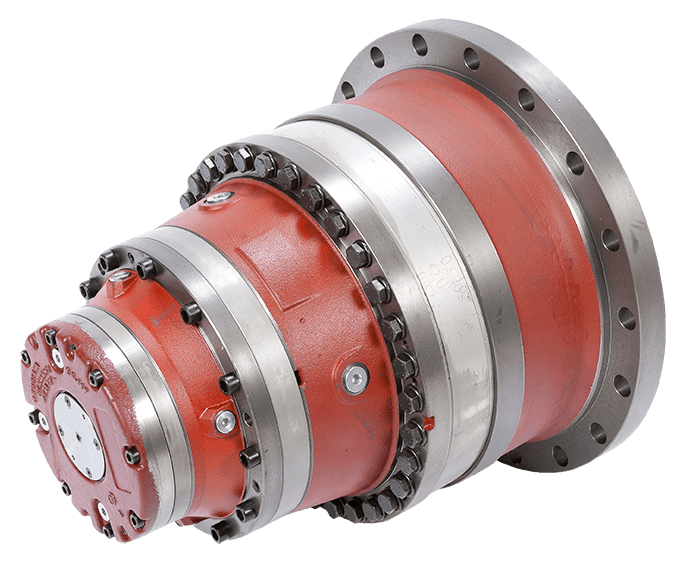
What are the signs that indicate a need for winch drive replacement or maintenance, and how can they be diagnosed?
Winch drives, like any mechanical component, require regular maintenance and may eventually need replacement. Here’s a detailed explanation of the signs that indicate a need for winch drive replacement or maintenance and how they can be diagnosed:
- Unusual Noises:
If you notice unusual noises such as grinding, squealing, or rattling coming from the winch drive, it may indicate a problem that requires maintenance. These noises can be caused by worn-out gears, misaligned components, or damaged bearings. Diagnosing the issue involves inspecting the winch drive for any visible signs of damage or wear, and listening carefully to identify the source of the noise. Professional technicians can perform a thorough examination, including disassembling the winch drive if necessary, to identify the specific cause and determine if repair or replacement is needed.
- Excessive Vibration:
If the winch drive exhibits excessive vibration during operation, it may be a sign of misalignment, loose connections, or worn-out components. Excessive vibration can lead to accelerated wear and potential damage to the system. To diagnose the issue, visual inspection should be conducted to check for loose bolts, misaligned shafts, or damaged mounting brackets. Additionally, measuring and analyzing the vibration levels using specialized equipment can provide valuable insights into the severity of the problem. Based on the findings, appropriate maintenance actions can be taken, such as realigning components or replacing worn-out parts.
- Reduced Performance:
If the winch drive exhibits reduced performance, such as slower operation, decreased pulling force, or inconsistent speed control, it may indicate the need for maintenance or replacement. Reduced performance can be caused by various factors, including worn-out gears, insufficient lubrication, motor issues, or electrical problems. Diagnosing the cause involves conducting performance tests to measure parameters such as speed, torque, and load capacity. Additionally, a comprehensive inspection of the winch drive’s components, including motors, gearboxes, and control systems, can help identify any underlying issues affecting performance. Based on the findings, appropriate maintenance or replacement measures can be taken to restore optimal performance.
- Fluid Leaks:
Fluid leaks, such as oil or hydraulic fluid, around the winch drive are clear signs of a potential problem. Fluid leaks can indicate damaged seals, gaskets, or hoses, which can lead to loss of lubrication or compromised hydraulic systems. Diagnosing fluid leaks involves visually inspecting the winch drive for any signs of leakage, including oil stains, puddles, or wetness around the components. Identifying the source of the leak is crucial to determine the appropriate maintenance or replacement actions required, such as replacing seals or repairing hydraulic lines.
- Overheating:
If the winch drive becomes excessively hot during operation, it may indicate a need for maintenance or replacement. Overheating can be caused by factors such as inadequate ventilation, overloading, or motor issues. Diagnosing overheating involves monitoring the temperature of the winch drive during operation, using infrared thermometers or temperature sensors. Additionally, inspecting the cooling mechanisms, such as fans or heat sinks, and checking for any obstructions or malfunctions can provide insights into the cause of overheating. Depending on the severity of the issue, actions such as cleaning, adjusting ventilation, or replacing overheating components may be necessary.
In summary, signs that indicate a need for winch drive replacement or maintenance include unusual noises, excessive vibration, reduced performance, fluid leaks, and overheating. Diagnosing these signs involves visual inspection, performance testing, monitoring, and analysis to identify the specific cause. Engaging professional technicians or maintenance personnel who are familiar with winch drives can help ensure accurate diagnosis and appropriate maintenance or replacement actions to address the identified issues.
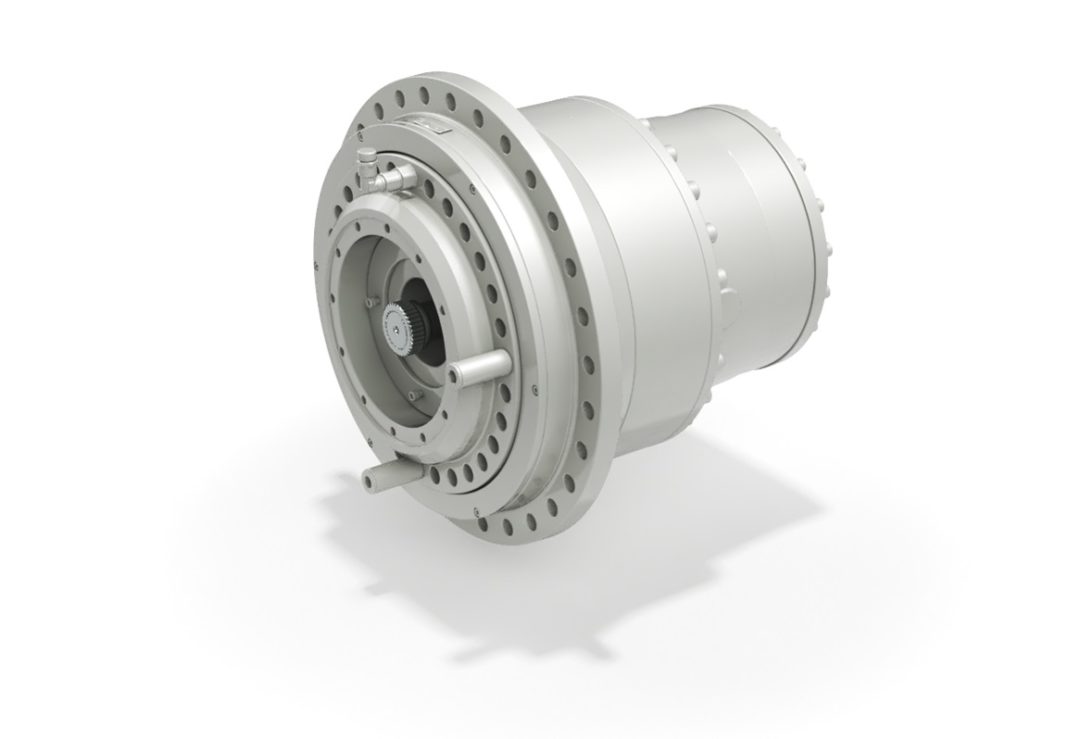
Can you provide examples of products or machinery that commonly use winch drives?
Winch drives are widely used in various industries and applications where lifting, pulling, or positioning heavy loads is required. They offer a versatile and efficient solution for numerous tasks. Here are some examples of products or machinery that commonly use winch drives:
- Cranes:
Winch drives are an integral part of cranes used in construction, manufacturing, and shipping industries. They enable the lifting and lowering of loads, as well as the movement of crane booms and jibs. Cranes such as mobile cranes, tower cranes, and overhead cranes rely on winch drives for their lifting capabilities.
- Elevators and Lifts:
Winch drives are used in elevators and lifts to vertically transport people or goods between different levels of buildings or structures. They provide the necessary lifting force for the elevator car or lift platform, allowing smooth and controlled vertical movement.
- Marine Equipment:
Winch drives are commonly found in various marine equipment and vessels. They are used in shipboard cranes, davits, anchor handling winches, mooring winches, and fishing equipment. Winch drives play a crucial role in the handling of heavy equipment, cargo, and anchoring operations in marine environments.
- Offshore and Oil Rig Applications:
In offshore and oil rig applications, winch drives are utilized for various tasks. They are used in winches for launching and recovering subsea equipment, handling pipes and cables, and positioning heavy loads on offshore platforms. Winch drives are also employed in drilling equipment for operations such as raising and lowering the drilling string.
- Material Handling Equipment:
A wide range of material handling equipment relies on winch drives for lifting and pulling operations. This includes hoists, winch trucks, forklifts, conveyor systems, and overhead cranes used in warehouses, manufacturing facilities, and construction sites. Winch drives enable efficient and controlled movement of heavy materials and equipment.
- Entertainment Industry:
The entertainment industry extensively uses winch drives for stage rigging, theatrical productions, and concert setups. Winch drives are employed to move and control stage elements, lighting fixtures, sound equipment, and special effects. They allow for dynamic and precise positioning of equipment during performances.
- Automotive Recovery and Towing:
Winch drives are commonly used in recovery and towing equipment for vehicles. They are mounted on trucks or trailers and provide the pulling force necessary to recover stuck or immobilized vehicles. Winch drives are also utilized in off-road vehicles and ATV (All-Terrain Vehicle) winches for self-recovery or assisting others.
- Agricultural Machinery:
In the agricultural sector, winch drives are employed in various machinery such as agricultural sprayers, irrigation systems, and harvesting equipment. They facilitate the movement and positioning of equipment, as well as the lifting and lowering of heavy loads, enhancing efficiency in farming operations.
These examples illustrate the wide-ranging applications of winch drives across different industries. Their versatility and adaptability make them essential components in various products and machinery that involve lifting, pulling, or positioning heavy loads.
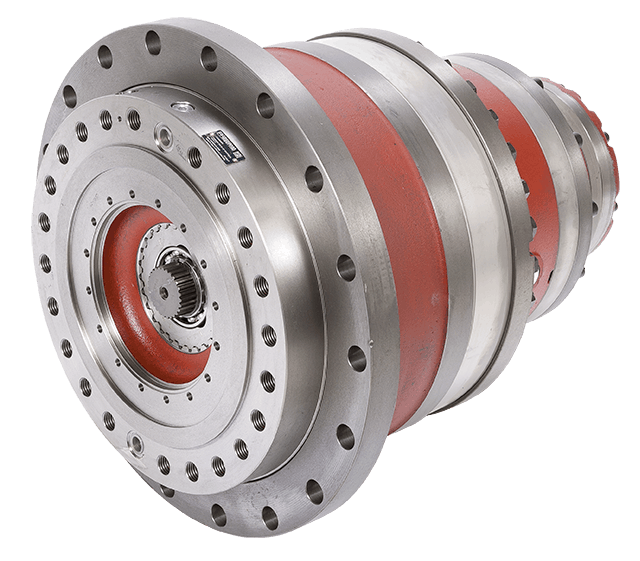
Can you describe the various types and configurations of winch drives available in the market?
There are several types and configurations of winch drives available in the market, each designed to suit specific applications and requirements. Here’s a detailed description of the various types and configurations of winch drives:
- Electric Winch Drives:
Electric winch drives are powered by electric motors and are widely used in various industries. They are available in different load capacities and configurations. Electric winches are known for their ease of use, precise control, and relatively low maintenance requirements. They can be mounted on vehicles, equipment, or structures and are commonly used in applications such as vehicle recovery, marine operations, construction sites, and material handling.
- Hydraulic Winch Drives:
Hydraulic winch drives are powered by hydraulic systems and offer high pulling power for heavy-duty applications. They are commonly used in industries such as construction, oil and gas, and marine operations. Hydraulic winch drives are known for their robustness, durability, and ability to handle extreme loads. They are often mounted on large vehicles, cranes, or offshore platforms. Hydraulic winch drives require hydraulic power sources, such as hydraulic pumps, and are suitable for applications that require continuous and sustained pulling power.
- Pneumatic Winch Drives:
Pneumatic winch drives utilize compressed air as the power source. They are mainly used in hazardous or explosive environments where electric or hydraulic power sources are not suitable. Pneumatic winch drives are commonly found in industries such as mining, oil refineries, and chemical plants. They offer a high level of safety due to the absence of electrical components and are capable of handling heavy loads in challenging environments.
- Planetary Winch Drives:
Planetary winch drives are a popular type of winch drive known for their compact size, high efficiency, and high torque output. They consist of a central sun gear, multiple planetary gears, and an outer ring gear. The planetary gear system allows for high torque multiplication while maintaining a compact design. Planetary winch drives are commonly used in off-road vehicles, ATV winches, and small to medium-sized industrial applications.
- Worm Gear Winch Drives:
Worm gear winch drives utilize a worm gear mechanism to achieve high gear reduction ratios. They offer excellent load holding capabilities and are commonly used in applications where precise load control and safety are paramount. Worm gear winch drives are popular in industries such as construction, theater rigging, and material handling. They are known for their self-locking feature, which prevents backdriving and provides secure load holding.
- Capstan Winch Drives:
Capstan winch drives are designed with a rotating drum or capstan instead of a traditional spool. They are commonly used in applications that require constant tension or controlled pulling speeds, such as in marine settings for mooring operations or on fishing vessels. Capstan winch drives offer efficient and continuous pulling power and are suitable for handling ropes, cables, or lines with minimal slippage.
- Wire Rope Winch Drives:
Wire rope winch drives are specifically designed to handle wire ropes as the lifting or pulling medium. They are equipped with drums that accommodate wire ropes of different diameters and lengths. Wire rope winch drives are commonly used in industries such as construction, mining, and offshore operations. They offer high load capacities and are suitable for heavy-duty applications that require strength, durability, and resistance to abrasion.
These are some of the various types and configurations of winch drives available in the market. Each type has its own advantages and is designed to cater to specific applications and industry requirements. When selecting a winch drive, it’s important to consider factors such as load capacity, power source, control mechanisms, and environmental conditions to ensure optimal performance and efficiency.


editor by Dream 2024-05-16
China high quality Three Phase 380V AC Motors Worm Gearbox Motor Reducer with Induction Motor 900rpm
Product Description
Product Description
Model No.: NMRV/NRV571, 030, 040, 050, 063, 075, 090, 110, 130
Reduction gear, worm gear, gear reducer
Reduction gear
Features:
1) High quality aluminum alloy die cast gearbox
2) High accuracy worm gear and worm shaft
3) Less noise and lower temperature increase
4) Easy mounting and linking, high efficiency
5) Power: 0.06 – 15kW
6) Output torque: 2.7 – 1, 760Nm
7) Transmission rate: 5 – 100
Inner packing: Carton Outer packing: Wooden case
Reduction gear, worm gear, gear reducer
| model | PAM IEC | N | M | P | 7.5D | 10D | 15D | 20D | 25D | 30D | 40D | 50D | 60D | 80D |
| NMRV030 | 63B5 | 95 | 115 | 140 | 11 | 11 | 11 | 11 | 11 | 11 | 11 | / | / | / |
| NMRV030 | 63B14 | 60 | 75 | 90 | 11 | 11 | 11 | 11 | 11 | 11 | 11 | / | / | / |
| NMRV030 | 56B5 | 80 | 100 | 120 | 9 | 9 | 9 | 9 | 9 | 9 | 9 | 9 | 9 | 9 |
| NMRV030 | 56B14 | 50 | 65 | 80 | 9 | 9 | 9 | 9 | 9 | 9 | 9 | 9 | 9 | 9 |
| NMRV040 | 71B5 | 110 | 130 | 160 | 14 | 14 | 14 | 14 | 14 | 14 | 14 | / | / | / |
| NMRV040 | 71B14 | 70 | 85 | 105 | 14 | 14 | 14 | 14 | 14 | 14 | 14 | / | / | / |
| NMRV040 | 63B5 | 95 | 115 | 140 | 11 | 11 | 11 | 11 | 11 | 11 | 11 | 11 | 11 | 11 |
| NMRV040 | 63B14 | 60 | 75 | 90 | 11 | 11 | 11 | 11 | 11 | 11 | 11 | 11 | 11 | 11 |
| NRMV050 | 90B5 | 130 | 165 | 200 | 19 | 19 | 19 | 19 | 19 | / | / | / | / | / |
| NRMV050 | 80B14 | 80 | 100 | 120 | 19 | 19 | 19 | 19 | 19 | / | / | / | / | / |
| NRMV050 | 71B5 | 110 | 130 | 160 | 14 | 14 | 14 | 14 | 14 | 14 | 14 | 14 | 14 | 14 |
| NRMV050 | 71B14 | 70 | 85 | 105 | 14 | 14 | 14 | 14 | 14 | 14 | 14 | 14 | 14 | 14 |
| NMRV063 | 90B5 | 130 | 165 | 200 | 24 | 24 | 24 | 24 | 24 | 24 | / | / | / | / |
| NMRV063 | 90B14 | 95 | 115 | 140 | 24 | 24 | 24 | 24 | 24 | 24 | / | / | / | / |
| NMRV063 | 80B5 | 130 | 165 | 200 | 19 | 19 | 19 | 19 | 19 | 19 | 19 | 19 | / | / |
| NMRV063 | 80B14 | 80 | 100 | 120 | 19 | 19 | 19 | 19 | 19 | 19 | 19 | 19 | / | / |
| NRMV075 | 100/112B5 | 180 | 215 | 250 | 28 | 28 | 28 | / | / | / | / | / | / | / |
| NRMV075 | 100/112B14 | 110 | 130 | 160 | 28 | 28 | 28 | / | / | / | / | / | / | / |
| NRMV075 | 90B5 | 130 | 165 | 200 | 24 | 24 | 24 | 24 | 24 | 24 | 24 | / | / | / |
| NRMV075 | 90B14 | 95 | 115 | 140 | 24 | 24 | 24 | 24 | 24 | 24 | 24 | / | / | / |
| NMRV090 | 100/112B5 | 180 | 215 | 250 | / | / | / | / | 24 | 24 | 24 | 24 | 24 | 24 |
| NMRV090 | 100/112B14 | 110 | 130 | 160 | / | / | / | / | 24 | 24 | 24 | 24 | 24 | 24 |
| NMRV090 | 90B5 | 130 | 165 | 200 | / | / | / | / | / | / | / | 19 | 19 | 19 |
| NMRV090 | 90B14 | 95 | 115 | 140 | / | / | / | / | / | / | / | 19 | 19 | 19 |
YEJ2 series electromatic-brake motors are improved products on the base of YEJ series. The technical properties of its motor conform to htere quirements of Y2 series. The performance of the brake assembly are improved. YEJ2 can make action proptly when the power of electric motor is off.
Motors of this series can continuously run at the rated power under the following conditions:
1. Altitude: Above sea level, not exceeding 1000m.
2. Ambient temperature: It varies with seasons but not exceeding +40° C
3. Voltage: 220/380V, 380/660V
4. Frequency: 50Hz, 60Hz.
5. Connection: Y-Connection for 3kw and below whereas; Delta-connection for 4 kw and above.
6. Duty: Continuous(S1)
7. Insulation Class: B, F
8. Protection: IP44, IP55 or IP54
| Technical data-YEJ series motor-2 poles -380v/50HZ | |||||||||
| type | Rated output | Full Load | Static braking torque | Max.braking time at No-load | Brake power | ||||
| Speed | Input Current | Efficiency | PowTypeer factor | ||||||
| KW | HP | RPM | Amp | Eff.% | P.F | N.m | S | W | |
| YEJ80M1-2 | 0.75 | 1.0 | 2825 | 1.81 | 75 | 0.84 | 7.5 | 0.20 | 50 |
| YEJ80M2-2 | 1.1 | 1.5 | 2825 | 2.52 | 77 | 0.86 | 7.5 | 0.20 | 50 |
| YEJ90S-2 | 1.5 | 2.0 | 2840 | 3.44 | 78 | 0.85 | 15 | 0.20 | 60 |
| YEJ90L-2 | 2.2 | 3.0 | 2840 | 4.83 | 80.5 | 0.86 | 15 | 0.20 | 60 |
| YEJ100L-2 | 3 | 4.0 | 2870 | 6.39 | 82 | 0.87 | 30 | 0.20 | 80 |
| YEJ112M-2 | 4 | 5.5 | 2880 | 8.17 | 85.5 | 0.87 | 40 | 0.25 | 110 |
| YEJ132S1-2 | 5.5 | 7.5 | 2900 | 11.10 | 85.5 | 0.88 | 75 | 0.25 | 130 |
| YEJ132S2-2 | 7.5 | 10.0 | 2900 | 15.00 | 86.2 | 0.88 | 75 | 0.25 | 130 |
| YEJ160M1-2 | 11 | 15 | 2930 | 21.80 | 87.2 | 0.88 | 150 | 0.35 | 150 |
| YEJ160M2-2 | 15 | 20 | 2930 | 29.40 | 88.2 | 0.88 | 150 | 0.35 | 150 |
| YEJ160L-2 | 18.5 | 25 | 2930 | 35.50 | 89.0 | 0.89 | 150 | 0.35 | 150 |
| YEJ180M-2 | 22 | 30 | 2940 | 42.20 | 89.0 | 0.89 | 200 | 0.35 | 150 |
| YEJ200L1-2 | 30 | 40 | 2950 | 56.90 | 90.0 | 0.89 | 300 | 0.45 | 200 |
| YEJ200L2-2 | 37 | 50 | 2950 | 69.80 | 90.5 | 0.89 | 300 | 0.45 | 200 |
| YEJ225M-2 | 45 | 60 | 2960 | 83.90 | 91.5 | 0.89 | 450 | 0.45 | 200 |
| Technical data-YEJ series motor-4 poles -380v/50HZ | |||||||||
| Type | Rated output | Full Load | Static braking torque | Max.braking time at No-load | Brake power | ||||
| Speed | Input Current | Efficiency | Power factor | ||||||
| KW | HP | RPM | Amp | Eff.% | P.F | N.m | S | W | |
| YEJ80M1-4 | 0.55 | 0.75 | 1390 | 1.51 | 73.0 | 0.76 | 7.5 | 0.20 | 50 |
| YEJ80M2-4 | 0.75 | 1.0 | 1390 | 2.01 | 74.5 | 0.76 | 7.5 | 0.20 | 50 |
| YEJ90S-4 | 1.1 | 1.5 | 1400 | 2.75 | 78.0 | 0.78 | 15 | 0.20 | 60 |
| YEJ90L-4 | 1.5 | 2.0 | 1400 | 3.65 | 79.0 | 0.79 | 15 | 0.20 | 60 |
| YEJ100L1-4 | 2.2 | 3.0 | 1420 | 5.03 | 81.0 | 0.82 | 30 | 0.20 | 80 |
| JET100L2-4 | 3.0 | 4.0 | 1420 | 6.82 | 82.5 | 0.81 | 30 | 0.20 | 80 |
| YEJ112M-4 | 4.0 | 5.5 | 1440 | 8.77 | 84.5 | 0.82 | 40 | 0.25 | 110 |
| YEJ132S-4 | 5.5 | 7.5 | 1440 | 11.60 | 85.5 | 0.84 | 75 | 0.25 | 130 |
| YEJ132M-4 | 7.5 | 10.0 | 1440 | 15.40 | 87.0 | 0.85 | 75 | 0.25 | 130 |
| YEJ160M-4 | 11 | 15 | 1460 | 22.60 | 88.0 | 0.84 | 150 | 0.35 | 150 |
| YEJ160L-4 | 15 | 20 | 1460 | 30.30 | 88.5 | 0.85 | 150 | 0.35 | 150 |
| YEJ180M-4 | 18.5 | 25 | 1465 | 35.90 | 91.0 | 0.86 | 200 | 0.35 | 150 |
| YEJ180L-4 | 22 | 30 | 1465 | 42.50 | 91.5 | 0.86 | 200 | 0.35 | 150 |
| YEJ200L-4 | 30 | 40 | 1470 | 56.80 | 92.2 | 0.87 | 300 | 0.45 | 200 |
| YEJ225S-4 | 37 | 50 | 1475 | 70.40 | 91.8 | 0.87 | 450 | 0.45 | 200 |
| YEJ225M-4 | 45 | 60 | 1475 | 84.20 | 92.3 | 0.88 | 450 | 0.45 | 200 |
| Technical data-YEJ series motor-6 poles -380v/50HZ | |||||||||
| Type | Rated output | Full Load | Static braking torque | Max.braking time at No-load | Brake power | ||||
| Speed | Input Current | Efficiency | Power factor | ||||||
| KW | HP | RPM | Amp | Eff.% | P.F | N.m | S | W | |
| YEJ90S-6 | 0.75 | 1.0 | 910 | 2.25 | 72.5 | 0.7 | 15 | 0.2 | 60 |
| YEJ90L-6 | 1.1 | 1.5 | 910 | 3.16 | 73.5 | 0.72 | 15 | 0.2 | 60 |
| YEJ100L-6 | 1.5 | 2.0 | 930 | 3.97 | 77.5 | 0.74 | 30 | 0.2 | 80 |
| YEJ112M-6 | 2.2 | 3.0 | 940 | 5.61 | 80.5 | 0.74 | 40 | 0.25 | 110 |
| YEJ132S-6 | 3.0 | 4.0 | 960 | 7.23 | 83.0 | 0.76 | 75 | 0.25 | 130 |
| YEJ132M1-6 | 4.0 | 5.5 | 960 | 9.40 | 84.0 | 0.77 | 75 | 0.25 | 130 |
| YEJ132M2-6 | 5.5 | 7.5 | 960 | 12.60 | 85.3 | 0.78 | 75 | 0.25 | 130 |
| YEJ160M-6 | 7.5 | 10.0 | 970 | 17.00 | 86.0 | 0.78 | 150 | 0.35 | 150 |
| YEJ160L-6 | 11 | 15 | 970 | 24.60 | 87.0 | 0.78 | 150 | 0.35 | 150 |
| YEJ180L-6 | 15 | 20 | 970 | 31.40 | 89.5 | 0.81 | 200 | 0.35 | 150 |
| YEJ200L1-6 | 18.5 | 25 | 975 | 37.70 | 89.8 | 0.83 | 300 | 0.45 | 200 |
| YEJ200L2-6 | 22 | 30 | 975 | 44.60 | 90.2 | 0.83 | 300 | 0.45 | 200 |
| YEJ225M-6 | 30 | 40 | 980 | 59.50 | 92.2 | 0.85 | 450 | 0.45 | 200 |
Detailed Photos
Our Advantages
We have more than 30years on all kinds of ac motors and gearmotor ,worm reducers producing ,nice price
What we do:
1.Stamping of lamination
2.Rotor die-casting
3.Winding and inserting – both manual and semi-automatically
4.Vacuum varnishing
5.Machining shaft, housing, end shields, etc…
6.Rotor balancing
7.Painting – both wet paint and powder coating
8.assembly
9.Packing
10.Inspecting spare parts every processing
11.100% test after each process and final test before packing.,
FAQ
Q: Do you offer OEM service?
A: Yes
Q: What is your payment term?
A: 30% T/T in advance, 70% balance when receiving B/L copy. Or irrevocable L/C.
Q: What is your lead time?
A: About 30 days after receiving deposit or original L/C.
Q: What certifiicates do you have?
A: We have CE, ISO. And we can apply for specific certificate for different country such as SONCAP for Nigeria, COI for Iran, SASO for Saudi Arabia, etc.
/* January 22, 2571 19:08:37 */!function(){function s(e,r){var a,o={};try{e&&e.split(“,”).forEach(function(e,t){e&&(a=e.match(/(.*?):(.*)$/))&&1
| Application: | Industrial ,Universal ,etc |
|---|---|
| Speed: | Constant Speed |
| Number of Stator: | Three-Phase |
| Function: | Control |
| Casing Protection: | Protection Type |
| Number of Poles: | 2.4.6.8p |
| Samples: |
US$ 281/Piece
1 Piece(Min.Order) | |
|---|
| Customization: |
Available
|
|
|---|
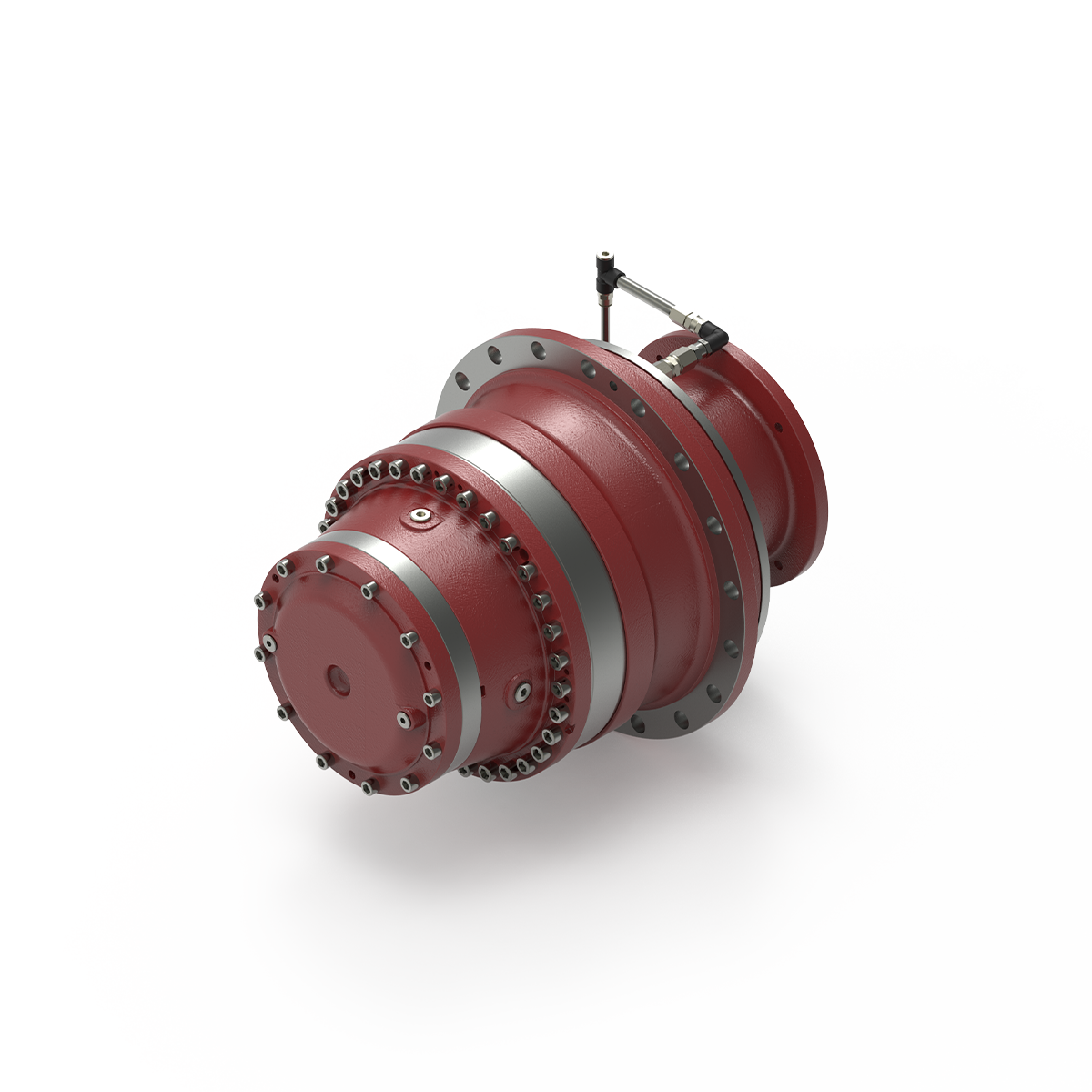
Can you provide insights into the importance of proper installation and alignment of winch drives?
Proper installation and alignment of winch drives are of utmost importance to ensure optimal performance, longevity, and safety of the system. Here’s a detailed explanation of the significance of proper installation and alignment of winch drives:
- Optimal Performance:
Proper installation and alignment are crucial for achieving optimal performance of winch drives. Precise alignment ensures that the winch drive operates within its designed parameters, minimizing power losses and maximizing efficiency. Accurate installation of components, such as motors, gearboxes, and brakes, ensures that they are properly integrated and aligned with each other. This alignment reduces mechanical stress, minimizes friction, and allows for smooth and reliable operation of the winch drive, resulting in improved performance and productivity.
- Extended Lifespan:
The correct installation and alignment of winch drives contribute to their longevity. When components are misaligned or improperly installed, it can lead to excessive wear, vibration, and premature failure of critical parts. Misalignment puts additional stress on bearings, shafts, gears, and other components, causing accelerated wear and reducing their lifespan. By ensuring proper alignment during installation, the load is distributed evenly, reducing mechanical stress and increasing the lifespan of the winch drive system.
- Reduced Maintenance and Downtime:
Proper installation and alignment can significantly reduce the need for maintenance and minimize downtime. Misalignment or improper installation can cause issues such as excessive heat generation, increased friction, and misoperation of safety mechanisms. These issues can lead to frequent breakdowns and unplanned downtime, resulting in productivity losses and increased maintenance costs. By ensuring correct alignment and installation, the risk of such issues is minimized, reducing the frequency of maintenance and improving overall system uptime.
- Enhanced Safety:
The safety of personnel and equipment is a critical consideration when it comes to winch drives. Improper installation and alignment can compromise the safety of the system. Misalignment can result in unexpected movements, excessive vibrations, or loss of control, posing risks to both operators and the surrounding environment. Proper alignment ensures that the winch drive operates within its intended parameters, reducing the likelihood of malfunctions, accidents, or equipment damage. It is essential to follow manufacturer guidelines and industry standards for installation and alignment to maintain a safe working environment.
- Efficient Power Transmission:
Correct alignment of winch drives ensures efficient power transmission from the motor to the drum or load. Misalignment can lead to power losses, increased energy consumption, and reduced overall system efficiency. Proper alignment ensures that the power is transmitted smoothly and efficiently, minimizing energy wastage and optimizing the performance of the winch drive. This not only improves energy efficiency but also reduces operating costs over the lifespan of the system.
In summary, the proper installation and alignment of winch drives are essential for achieving optimal performance, extending the lifespan of the system, reducing maintenance and downtime, enhancing safety, and ensuring efficient power transmission. Following manufacturer guidelines, industry standards, and engaging experienced professionals during installation and alignment processes is crucial to maximize the benefits and longevity of winch drive systems.
How does the design of winch drives impact their performance in different environments?
The design of winch drives plays a critical role in determining their performance in different environments. Various design factors influence the reliability, efficiency, and adaptability of winch drives to specific operating conditions. Here’s a detailed explanation of how the design of winch drives impacts their performance:
- Load Capacity and Power:
The design of winch drives directly affects their load capacity and power capabilities. Factors such as motor size, gear ratio, and drum diameter determine the maximum load capacity a winch drive can handle. The power output of the motor and the mechanical advantage provided by the gear system impact the winch drive’s ability to lift or pull heavy loads effectively. A well-designed winch drive with appropriate load capacity and power ensures optimal performance in different environments.
- Speed and Control:
The design of winch drives influences their speed and control characteristics. The gear ratio and motor specifications determine the speed at which the winch drive can operate. Additionally, the presence of a variable speed control mechanism allows for precise and controlled movement of loads. The design should strike a balance between speed and control, depending on the specific application and operational requirements in different environments.
- Drive System:
Winch drives can utilize different drive systems, such as electric, hydraulic, or pneumatic. The design of the drive system impacts the performance of the winch drive in different environments. Electric winch drives are commonly used due to their ease of use, precise control, and suitability for various applications. Hydraulic winch drives offer high power output and are often preferred in heavy-duty applications. Pneumatic winch drives are suitable for environments where electricity or hydraulics are not readily available. The design should align with the specific requirements and constraints of the environment in which the winch drive will be used.
- Enclosure and Protection:
The design of the winch drive enclosure and protection features significantly impacts its performance in different environments. Winch drives used in outdoor or harsh environments should have robust enclosures that provide protection against dust, moisture, and other contaminants. Sealed or weatherproof enclosures prevent damage to internal components and ensure reliable operation. Additionally, features such as thermal protection and overload protection are designed to safeguard the winch drive from overheating or excessive strain, enhancing its performance and longevity.
- Mounting and Installation:
The design of winch drives should consider the ease of mounting and installation. Mounting options such as bolt-on, weld-on, or integrated mounting plates offer flexibility for different installation scenarios. The design should also take into account the space constraints and mounting requirements of the specific environment. Easy and secure installation ensures proper alignment, stability, and efficient operation of the winch drive.
- Control and Safety Features:
The design of winch drives includes control and safety features that impact their performance in different environments. Control systems can range from simple push-button controls to advanced remote controls or integrated control panels. The design should provide intuitive and user-friendly control interfaces for efficient operation. Safety features such as emergency stop mechanisms, load limiters, and overload protection are crucial to prevent accidents and ensure safe operation in various environments. The design should prioritize the incorporation of appropriate safety features based on the specific application and environmental conditions.
By considering these design factors, winch drives can be optimized for performance, reliability, and safety in different environments. A well-designed winch drive that aligns with the specific requirements of the environment will deliver efficient and effective lifting or pulling capabilities while ensuring long-term durability and functionality.
Can you explain the key components and functions of a winch drive mechanism?
A winch drive mechanism consists of several key components that work together to provide controlled pulling or lifting capabilities. Each component has a specific function that contributes to the overall operation of the winch drive. Here’s a detailed explanation of the key components and their functions:
- Power Source:
The power source is the component that provides the energy to drive the winch mechanism. It can be an electric motor, hydraulic system, or even a manual crank. Electric motors are commonly used in modern winches due to their efficiency, controllability, and ease of operation. Hydraulic systems are often employed in heavy-duty winches that require high pulling capacities. Manual winches, operated by hand-cranking, are typically used in lighter applications or as backup systems. The power source converts the input energy into rotational motion, which drives the other components of the winch mechanism.
- Gearbox or Transmission:
The gearbox or transmission is responsible for controlling the speed and torque output of the winch drive. It consists of a series of gears arranged in specific ratios. The gears are engaged or disengaged to achieve the desired speed and torque requirements for the application. The gearbox allows the winch drive to provide both high pulling power or low-speed precision, depending on the needs of the task. It also helps distribute the load evenly across the gear teeth, ensuring smooth and reliable operation.
- Drum or Spool:
The drum or spool is a cylindrical component around which the cable or rope is wound. It is typically made of steel or other durable materials capable of withstanding high tension forces. The drum is connected to the rotational output of the gearbox or transmission. As the gearbox rotates, the drum winds or unwinds the cable, depending on the direction of rotation. The diameter of the drum determines the pulling or lifting capacity of the winch drive. A larger drum diameter allows for a greater length of cable to be wound, resulting in increased pulling power.
- Cable or Rope:
The cable or rope is the element that connects the winch drive to the load being pulled or lifted. It is typically made of steel wire or synthetic materials with high tensile strength. The cable is wound around the drum and extends out to the anchor point or attachment point of the load. It acts as the link between the winch drive and the object being moved. The choice of cable or rope depends on the specific application requirements, such as the weight of the load, environmental conditions, and desired flexibility.
- Braking System:
A braking system is an essential component of a winch drive mechanism to ensure safe and controlled operation. It prevents the cable or rope from unwinding uncontrollably when the winch is not actively pulling or lifting a load. The braking system can be mechanical or hydraulic, and it engages automatically when the winch motor is not applying power. It provides a secure hold and prevents the load from slipping or releasing unintentionally. The braking system also helps control the descent of the load during lowering operations, preventing sudden drops or free-falls.
- Control System:
The control system allows the operator to manage the operation of the winch drive. It typically includes controls such as switches, buttons, or levers that enable the activation, direction, and speed control of the winch. The control system can be integrated into the winch housing or provided as a separate control unit. In modern winches, electronic control systems may offer additional features such as remote operation, load monitoring, and safety interlocks. The control system ensures precise and safe operation, allowing the operator to adjust the winch drive according to the specific requirements of the task.
In summary, a winch drive mechanism consists of key components such as the power source, gearbox or transmission, drum or spool, cable or rope, braking system, and control system. The power source provides the energy to drive the winch, while the gearbox controls the speed and torque output. The drum or spool winds or unwinds the cable, which connects the winch drive to the load. The braking system ensures safe and controlled operation, and the control system allows the operator to manage the winch’s performance. Together, these components enable winch drives to provide controlled pulling or lifting capabilities in a wide range of applications.
editor by Dream 2024-05-16
China Professional Worm Gearbox Speed Reducer with High Quality Gear Motor Electric AC Motor
Product Description
Product Description
|
There are many types of worm gearboxes. If you have any questions about the selection, please contact us first. |
|
|
Band name |
Topper |
|
Model No.: |
NMRV571, NMRV030, NMRV040, NMRV050, NMRV063, NMRV075, NMRV090, NMRV110, NMRV130, NMRV150 |
|
Ratio: |
5,7.5,10,15,20,25,30,40,50, |
|
Color: |
Blue/Silver Grey Or On Customer Request |
|
Material: |
Housing: Size 25-110 Is Aluminum Alloy, Size 110-150 Is Cast-Iron |
|
Worm Wheel: ZCuSn10Pb1 |
|
|
Worm:20Cr |
|
|
Pinion:Tin Bronze |
|
|
Output Shaft: Steel-45# |
|
|
Matching motor |
60~1500W |
|
Usages: |
Industrial Machine: Food Stuff, Ceramics, Chemical, Packing, Dyeing,Wood working, Glass. |
|
IEC Flange: |
IEC Standard Flange Or On Customer Request |
Detailed Photos
FAQ
1.Q:What information should i tell you to confirm the worm gearbox?
A:Model/Size,B:Ratio and output torque, C:Power and flange type,D:Shaft Direction,E:Housing color,F:Order quantity.
2.What type of payment methods do you accept?
A:T/T,B:B/L,C:CASH,etc
3.What’s your warranty?
One year.
4.How to delivery?
A:By sea- Buyer appoints forwarder,or our sales team finds suitable forwarder for buyers.By air- Buyer offers collect express account,or our sales team fingds suitable express for buyers.(Mostly for sample) Other- We arrange to delivery goods to some place in China appointed by buyers.
5.Can you make OEM/ODM order?
Yes,we have rich experience on OEM/ODM order and like CHINAMFG Non-disclosure Agreement before sample making;
/* January 22, 2571 19:08:37 */!function(){function s(e,r){var a,o={};try{e&&e.split(“,”).forEach(function(e,t){e&&(a=e.match(/(.*?):(.*)$/))&&1
| Application: | Motor, Machinery, Agricultural Machinery |
|---|---|
| Hardness: | Hardened Tooth Surface |
| Installation: | 90 Degree |
| Layout: | Coaxial |
| Gear Shape: | Worm Gear |
| Step: | Double-Step |
| Samples: |
US$ 102/Piece
1 Piece(Min.Order) | |
|---|
| Customization: |
Available
|
|
|---|
Are there innovations or advancements in winch drive technology that have emerged recently?
In recent years, there have been notable innovations and advancements in winch drive technology that have improved performance, efficiency, and safety. Here’s a detailed explanation of some of the recent innovations and advancements in winch drive technology:
- Smart and Connected Winch Drives:
One of the significant advancements in winch drive technology is the integration of smart and connected features. Winch drives are now equipped with sensors, communication capabilities, and data processing capabilities, allowing them to be part of the Internet of Things (IoT) ecosystem. These smart winch drives can collect and analyze data in real-time, enabling remote monitoring, predictive maintenance, and performance optimization. They can communicate with other devices and systems, facilitating integration into larger control networks and automation systems.
- High-Efficiency Motor Technology:
Advancements in motor technology have contributed to higher efficiency in winch drives. Brushless DC (BLDC) motors and energy-efficient AC motors are becoming more prevalent in modern winch drives. These motors offer improved power density, higher torque-to-weight ratio, and better overall energy efficiency compared to traditional brushed motors. Additionally, advancements in motor control algorithms and variable frequency drive (VFD) technology allow for precise control and optimization of motor performance, resulting in increased efficiency and reduced energy consumption.
- Regenerative Braking:
Regenerative braking is a recent innovation in winch drive technology that improves energy efficiency. When a winch drive applies braking force to control the descent of a load, regenerative braking allows the drive to convert the braking energy into electrical energy. This electrical energy can be fed back into the power supply or stored in batteries for later use. By recovering and reusing energy that would otherwise be wasted as heat, regenerative braking reduces overall energy consumption and increases the efficiency of winch drives.
- Advanced Control and Safety Systems:
Winch drives now incorporate advanced control and safety systems that enhance their performance and safety. These systems utilize advanced algorithms, real-time data processing, and precise feedback control to optimize the operation of winch drives. They offer features such as load monitoring, automatic load balancing, anti-sway control, and intelligent speed control. Additionally, safety features like emergency stop functions, overload protection, and fault diagnostics are integrated to ensure safe operation and prevent equipment damage or accidents.
- Improved Materials and Construction:
Advancements in materials and construction techniques have also contributed to the development of more efficient and durable winch drives. The use of lightweight and high-strength materials, such as advanced alloys and composites, improves the power-to-weight ratio of winch drives. Precision machining and advanced manufacturing processes enhance the overall reliability and performance of winch drive components. These advancements result in winch drives that are more compact, reliable, and capable of handling higher loads while maintaining efficiency.
- Intuitive User Interfaces:
Recent innovations in winch drive technology have focused on improving user interfaces and operator experience. Intuitive touchscreens, graphical user interfaces (GUIs), and ergonomic control panels provide operators with easy-to-use interfaces for monitoring and controlling winch drives. These user interfaces offer real-time feedback, visualizations, and diagnostic information, making it easier for operators to operate winch drives safely and efficiently.
In summary, recent years have seen significant innovations and advancements in winch drive technology. The integration of smart and connected features, high-efficiency motor technology, regenerative braking, advanced control and safety systems, improved materials and construction, and intuitive user interfaces have all contributed to improved performance, efficiency, and safety in winch drives.
What safety considerations should be taken into account when using winch drives?
Using winch drives involves certain safety considerations to ensure the well-being of operators, prevent accidents, and protect the equipment and the load being lifted. Here’s a detailed explanation of the safety considerations that should be taken into account when using winch drives:
- Operator Training:
Proper training is essential for operators who will be using winch drives. They should receive comprehensive training on the safe operation of winch drives, including understanding the controls, procedures, safety features, and potential hazards. Training should cover load calculations, safe working loads, and the importance of following safety guidelines and manufacturer’s instructions.
- Equipment Inspection:
Prior to each use, winch drives should be thoroughly inspected to ensure they are in proper working condition. This includes checking for any signs of damage, wear, or corrosion. The cables or ropes should be inspected for fraying, kinks, or other defects. Any damaged or malfunctioning components should be repaired or replaced before operating the winch drive.
- Load Capacity:
It is crucial to adhere to the specified load capacity of the winch drive. Exceeding the maximum load capacity can lead to equipment failure, accidents, and injuries. Operators should accurately determine the weight of the load to be lifted and ensure it falls within the winch drive’s rated capacity. If the load exceeds the capacity, alternative lifting methods or equipment should be used.
- Secure Anchoring:
Winch drives should be securely anchored to a stable and appropriate mounting point. This ensures that the winch drive remains stable during operation and prevents unintended movement. The anchoring point should be capable of withstanding the forces generated during lifting or pulling operations. Proper anchoring minimizes the risk of equipment tipping over or shifting unexpectedly.
- Personal Protective Equipment (PPE):
Operators should wear appropriate personal protective equipment (PPE) when using winch drives. This may include safety helmets, gloves, eye protection, and high-visibility clothing. PPE helps protect operators from potential hazards such as falling objects, flying debris, or contact with moving parts. The specific PPE requirements should be determined based on the nature of the lifting operation and any applicable safety regulations.
- Safe Operating Distance:
Operators and other personnel should maintain a safe distance from the winch drive during operation. This prevents accidental contact with moving parts or the load being lifted. Clear warning signs or barriers should be used to define the restricted area around the winch drive. Operators should never place themselves or others in the potential path of the load or in a position where they could be struck by the load in case of a failure or slippage.
- Emergency Stop and Controls:
Winch drives should be equipped with emergency stop mechanisms or controls that allow operators to quickly halt the operation in case of an emergency. All operators should be familiar with the location and operation of the emergency stop controls. Regular testing and maintenance of these controls are essential to ensure their effectiveness in emergency situations.
- Proper Rigging and Rigging Techniques:
Correct rigging techniques should be followed when attaching the load to the winch drive. This includes using appropriate slings, hooks, or attachments and ensuring they are properly secured. Improper rigging can lead to load instability, shifting, or falling, posing a significant safety risk. Operators should be trained in proper rigging techniques and inspect the rigging components for wear or damage before each use.
- Regular Maintenance:
Winch drives should undergo regular maintenance as recommended by the manufacturer. This includes lubrication, inspection of cables or ropes, checking for loose bolts or connections, and verifying the functionality of safety features. Regular maintenance helps identify and address potential issues before they lead to equipment failure or accidents.
By considering these safety measures, operators can ensure the safe and effective use of winch drives, minimizing the risk of accidents, injuries, or equipment damage. It is crucial to prioritize safety at all times and to comply with applicable safety regulations and guidelines.
Can you describe the various types and configurations of winch drives available in the market?
There are several types and configurations of winch drives available in the market, each designed to suit specific applications and requirements. Here’s a detailed description of the various types and configurations of winch drives:
- Electric Winch Drives:
Electric winch drives are powered by electric motors and are widely used in various industries. They are available in different load capacities and configurations. Electric winches are known for their ease of use, precise control, and relatively low maintenance requirements. They can be mounted on vehicles, equipment, or structures and are commonly used in applications such as vehicle recovery, marine operations, construction sites, and material handling.
- Hydraulic Winch Drives:
Hydraulic winch drives are powered by hydraulic systems and offer high pulling power for heavy-duty applications. They are commonly used in industries such as construction, oil and gas, and marine operations. Hydraulic winch drives are known for their robustness, durability, and ability to handle extreme loads. They are often mounted on large vehicles, cranes, or offshore platforms. Hydraulic winch drives require hydraulic power sources, such as hydraulic pumps, and are suitable for applications that require continuous and sustained pulling power.
- Pneumatic Winch Drives:
Pneumatic winch drives utilize compressed air as the power source. They are mainly used in hazardous or explosive environments where electric or hydraulic power sources are not suitable. Pneumatic winch drives are commonly found in industries such as mining, oil refineries, and chemical plants. They offer a high level of safety due to the absence of electrical components and are capable of handling heavy loads in challenging environments.
- Planetary Winch Drives:
Planetary winch drives are a popular type of winch drive known for their compact size, high efficiency, and high torque output. They consist of a central sun gear, multiple planetary gears, and an outer ring gear. The planetary gear system allows for high torque multiplication while maintaining a compact design. Planetary winch drives are commonly used in off-road vehicles, ATV winches, and small to medium-sized industrial applications.
- Worm Gear Winch Drives:
Worm gear winch drives utilize a worm gear mechanism to achieve high gear reduction ratios. They offer excellent load holding capabilities and are commonly used in applications where precise load control and safety are paramount. Worm gear winch drives are popular in industries such as construction, theater rigging, and material handling. They are known for their self-locking feature, which prevents backdriving and provides secure load holding.
- Capstan Winch Drives:
Capstan winch drives are designed with a rotating drum or capstan instead of a traditional spool. They are commonly used in applications that require constant tension or controlled pulling speeds, such as in marine settings for mooring operations or on fishing vessels. Capstan winch drives offer efficient and continuous pulling power and are suitable for handling ropes, cables, or lines with minimal slippage.
- Wire Rope Winch Drives:
Wire rope winch drives are specifically designed to handle wire ropes as the lifting or pulling medium. They are equipped with drums that accommodate wire ropes of different diameters and lengths. Wire rope winch drives are commonly used in industries such as construction, mining, and offshore operations. They offer high load capacities and are suitable for heavy-duty applications that require strength, durability, and resistance to abrasion.
These are some of the various types and configurations of winch drives available in the market. Each type has its own advantages and is designed to cater to specific applications and industry requirements. When selecting a winch drive, it’s important to consider factors such as load capacity, power source, control mechanisms, and environmental conditions to ensure optimal performance and efficiency.
editor by Dream 2024-05-08
China factory 1400rpm 0.75kw Three Phase Customized Voltage AC Motors Worm Gearbox Motor Reducer with Induction Motor 380V
Product Description
Product Description
Model No.: NMRV/NRV571, 030, 040, 050, 063, 075, 090, 110, 130
Reduction gear, worm gear, gear reducer
Reduction gear
Features:
1) High quality aluminum alloy die cast gearbox
2) High accuracy worm gear and worm shaft
3) Less noise and lower temperature increase
4) Easy mounting and linking, high efficiency
5) Power: 0.06 – 15kW
6) Output torque: 2.7 – 1, 760Nm
7) Transmission rate: 5 – 100
Inner packing: Carton Outer packing: Wooden case
Reduction gear, worm gear, gear reducer
| model | PAM IEC | N | M | P | 7.5D | 10D | 15D | 20D | 25D | 30D | 40D | 50D | 60D | 80D |
| NMRV030 | 63B5 | 95 | 115 | 140 | 11 | 11 | 11 | 11 | 11 | 11 | 11 | / | / | / |
| NMRV030 | 63B14 | 60 | 75 | 90 | 11 | 11 | 11 | 11 | 11 | 11 | 11 | / | / | / |
| NMRV030 | 56B5 | 80 | 100 | 120 | 9 | 9 | 9 | 9 | 9 | 9 | 9 | 9 | 9 | 9 |
| NMRV030 | 56B14 | 50 | 65 | 80 | 9 | 9 | 9 | 9 | 9 | 9 | 9 | 9 | 9 | 9 |
| NMRV040 | 71B5 | 110 | 130 | 160 | 14 | 14 | 14 | 14 | 14 | 14 | 14 | / | / | / |
| NMRV040 | 71B14 | 70 | 85 | 105 | 14 | 14 | 14 | 14 | 14 | 14 | 14 | / | / | / |
| NMRV040 | 63B5 | 95 | 115 | 140 | 11 | 11 | 11 | 11 | 11 | 11 | 11 | 11 | 11 | 11 |
| NMRV040 | 63B14 | 60 | 75 | 90 | 11 | 11 | 11 | 11 | 11 | 11 | 11 | 11 | 11 | 11 |
| NRMV050 | 90B5 | 130 | 165 | 200 | 19 | 19 | 19 | 19 | 19 | / | / | / | / | / |
| NRMV050 | 80B14 | 80 | 100 | 120 | 19 | 19 | 19 | 19 | 19 | / | / | / | / | / |
| NRMV050 | 71B5 | 110 | 130 | 160 | 14 | 14 | 14 | 14 | 14 | 14 | 14 | 14 | 14 | 14 |
| NRMV050 | 71B14 | 70 | 85 | 105 | 14 | 14 | 14 | 14 | 14 | 14 | 14 | 14 | 14 | 14 |
| NMRV063 | 90B5 | 130 | 165 | 200 | 24 | 24 | 24 | 24 | 24 | 24 | / | / | / | / |
| NMRV063 | 90B14 | 95 | 115 | 140 | 24 | 24 | 24 | 24 | 24 | 24 | / | / | / | / |
| NMRV063 | 80B5 | 130 | 165 | 200 | 19 | 19 | 19 | 19 | 19 | 19 | 19 | 19 | / | / |
| NMRV063 | 80B14 | 80 | 100 | 120 | 19 | 19 | 19 | 19 | 19 | 19 | 19 | 19 | / | / |
| NRMV075 | 100/112B5 | 180 | 215 | 250 | 28 | 28 | 28 | / | / | / | / | / | / | / |
| NRMV075 | 100/112B14 | 110 | 130 | 160 | 28 | 28 | 28 | / | / | / | / | / | / | / |
| NRMV075 | 90B5 | 130 | 165 | 200 | 24 | 24 | 24 | 24 | 24 | 24 | 24 | / | / | / |
| NRMV075 | 90B14 | 95 | 115 | 140 | 24 | 24 | 24 | 24 | 24 | 24 | 24 | / | / | / |
| NMRV090 | 100/112B5 | 180 | 215 | 250 | / | / | / | / | 24 | 24 | 24 | 24 | 24 | 24 |
| NMRV090 | 100/112B14 | 110 | 130 | 160 | / | / | / | / | 24 | 24 | 24 | 24 | 24 | 24 |
| NMRV090 | 90B5 | 130 | 165 | 200 | / | / | / | / | / | / | / | 19 | 19 | 19 |
| NMRV090 | 90B14 | 95 | 115 | 140 | / | / | / | / | / | / | / | 19 | 19 | 19 |
YEJ2 series electromatic-brake motors are improved products on the base of YEJ series. The technical properties of its motor conform to htere quirements of Y2 series. The performance of the brake assembly are improved. YEJ2 can make action proptly when the power of electric motor is off.
Motors of this series can continuously run at the rated power under the following conditions:
1. Altitude: Above sea level, not exceeding 1000m.
2. Ambient temperature: It varies with seasons but not exceeding +40° C
3. Voltage: 220/380V, 380/660V
4. Frequency: 50Hz, 60Hz.
5. Connection: Y-Connection for 3kw and below whereas; Delta-connection for 4 kw and above.
6. Duty: Continuous(S1)
7. Insulation Class: B, F
8. Protection: IP44, IP55 or IP54
| Technical data-YEJ series motor-2 poles -380v/50HZ | |||||||||
| type | Rated output | Full Load | Static braking torque | Max.braking time at No-load | Brake power | ||||
| Speed | Input Current | Efficiency | PowTypeer factor | ||||||
| KW | HP | RPM | Amp | Eff.% | P.F | N.m | S | W | |
| YEJ80M1-2 | 0.75 | 1.0 | 2825 | 1.81 | 75 | 0.84 | 7.5 | 0.20 | 50 |
| YEJ80M2-2 | 1.1 | 1.5 | 2825 | 2.52 | 77 | 0.86 | 7.5 | 0.20 | 50 |
| YEJ90S-2 | 1.5 | 2.0 | 2840 | 3.44 | 78 | 0.85 | 15 | 0.20 | 60 |
| YEJ90L-2 | 2.2 | 3.0 | 2840 | 4.83 | 80.5 | 0.86 | 15 | 0.20 | 60 |
| YEJ100L-2 | 3 | 4.0 | 2870 | 6.39 | 82 | 0.87 | 30 | 0.20 | 80 |
| YEJ112M-2 | 4 | 5.5 | 2880 | 8.17 | 85.5 | 0.87 | 40 | 0.25 | 110 |
| YEJ132S1-2 | 5.5 | 7.5 | 2900 | 11.10 | 85.5 | 0.88 | 75 | 0.25 | 130 |
| YEJ132S2-2 | 7.5 | 10.0 | 2900 | 15.00 | 86.2 | 0.88 | 75 | 0.25 | 130 |
| YEJ160M1-2 | 11 | 15 | 2930 | 21.80 | 87.2 | 0.88 | 150 | 0.35 | 150 |
| YEJ160M2-2 | 15 | 20 | 2930 | 29.40 | 88.2 | 0.88 | 150 | 0.35 | 150 |
| YEJ160L-2 | 18.5 | 25 | 2930 | 35.50 | 89.0 | 0.89 | 150 | 0.35 | 150 |
| YEJ180M-2 | 22 | 30 | 2940 | 42.20 | 89.0 | 0.89 | 200 | 0.35 | 150 |
| YEJ200L1-2 | 30 | 40 | 2950 | 56.90 | 90.0 | 0.89 | 300 | 0.45 | 200 |
| YEJ200L2-2 | 37 | 50 | 2950 | 69.80 | 90.5 | 0.89 | 300 | 0.45 | 200 |
| YEJ225M-2 | 45 | 60 | 2960 | 83.90 | 91.5 | 0.89 | 450 | 0.45 | 200 |
| Technical data-YEJ series motor-4 poles -380v/50HZ | |||||||||
| Type | Rated output | Full Load | Static braking torque | Max.braking time at No-load | Brake power | ||||
| Speed | Input Current | Efficiency | Power factor | ||||||
| KW | HP | RPM | Amp | Eff.% | P.F | N.m | S | W | |
| YEJ80M1-4 | 0.55 | 0.75 | 1390 | 1.51 | 73.0 | 0.76 | 7.5 | 0.20 | 50 |
| YEJ80M2-4 | 0.75 | 1.0 | 1390 | 2.01 | 74.5 | 0.76 | 7.5 | 0.20 | 50 |
| YEJ90S-4 | 1.1 | 1.5 | 1400 | 2.75 | 78.0 | 0.78 | 15 | 0.20 | 60 |
| YEJ90L-4 | 1.5 | 2.0 | 1400 | 3.65 | 79.0 | 0.79 | 15 | 0.20 | 60 |
| YEJ100L1-4 | 2.2 | 3.0 | 1420 | 5.03 | 81.0 | 0.82 | 30 | 0.20 | 80 |
| JET100L2-4 | 3.0 | 4.0 | 1420 | 6.82 | 82.5 | 0.81 | 30 | 0.20 | 80 |
| YEJ112M-4 | 4.0 | 5.5 | 1440 | 8.77 | 84.5 | 0.82 | 40 | 0.25 | 110 |
| YEJ132S-4 | 5.5 | 7.5 | 1440 | 11.60 | 85.5 | 0.84 | 75 | 0.25 | 130 |
| YEJ132M-4 | 7.5 | 10.0 | 1440 | 15.40 | 87.0 | 0.85 | 75 | 0.25 | 130 |
| YEJ160M-4 | 11 | 15 | 1460 | 22.60 | 88.0 | 0.84 | 150 | 0.35 | 150 |
| YEJ160L-4 | 15 | 20 | 1460 | 30.30 | 88.5 | 0.85 | 150 | 0.35 | 150 |
| YEJ180M-4 | 18.5 | 25 | 1465 | 35.90 | 91.0 | 0.86 | 200 | 0.35 | 150 |
| YEJ180L-4 | 22 | 30 | 1465 | 42.50 | 91.5 | 0.86 | 200 | 0.35 | 150 |
| YEJ200L-4 | 30 | 40 | 1470 | 56.80 | 92.2 | 0.87 | 300 | 0.45 | 200 |
| YEJ225S-4 | 37 | 50 | 1475 | 70.40 | 91.8 | 0.87 | 450 | 0.45 | 200 |
| YEJ225M-4 | 45 | 60 | 1475 | 84.20 | 92.3 | 0.88 | 450 | 0.45 | 200 |
| Technical data-YEJ series motor-6 poles -380v/50HZ | |||||||||
| Type | Rated output | Full Load | Static braking torque | Max.braking time at No-load | Brake power | ||||
| Speed | Input Current | Efficiency | Power factor | ||||||
| KW | HP | RPM | Amp | Eff.% | P.F | N.m | S | W | |
| YEJ90S-6 | 0.75 | 1.0 | 910 | 2.25 | 72.5 | 0.7 | 15 | 0.2 | 60 |
| YEJ90L-6 | 1.1 | 1.5 | 910 | 3.16 | 73.5 | 0.72 | 15 | 0.2 | 60 |
| YEJ100L-6 | 1.5 | 2.0 | 930 | 3.97 | 77.5 | 0.74 | 30 | 0.2 | 80 |
| YEJ112M-6 | 2.2 | 3.0 | 940 | 5.61 | 80.5 | 0.74 | 40 | 0.25 | 110 |
| YEJ132S-6 | 3.0 | 4.0 | 960 | 7.23 | 83.0 | 0.76 | 75 | 0.25 | 130 |
| YEJ132M1-6 | 4.0 | 5.5 | 960 | 9.40 | 84.0 | 0.77 | 75 | 0.25 | 130 |
| YEJ132M2-6 | 5.5 | 7.5 | 960 | 12.60 | 85.3 | 0.78 | 75 | 0.25 | 130 |
| YEJ160M-6 | 7.5 | 10.0 | 970 | 17.00 | 86.0 | 0.78 | 150 | 0.35 | 150 |
| YEJ160L-6 | 11 | 15 | 970 | 24.60 | 87.0 | 0.78 | 150 | 0.35 | 150 |
| YEJ180L-6 | 15 | 20 | 970 | 31.40 | 89.5 | 0.81 | 200 | 0.35 | 150 |
| YEJ200L1-6 | 18.5 | 25 | 975 | 37.70 | 89.8 | 0.83 | 300 | 0.45 | 200 |
| YEJ200L2-6 | 22 | 30 | 975 | 44.60 | 90.2 | 0.83 | 300 | 0.45 | 200 |
| YEJ225M-6 | 30 | 40 | 980 | 59.50 | 92.2 | 0.85 | 450 | 0.45 | 200 |
Detailed Photos
Our Advantages
We have more than 30years on all kinds of ac motors and gearmotor ,worm reducers producing ,nice price
What we do:
1.Stamping of lamination
2.Rotor die-casting
3.Winding and inserting – both manual and semi-automatically
4.Vacuum varnishing
5.Machining shaft, housing, end shields, etc…
6.Rotor balancing
7.Painting – both wet paint and powder coating
8.assembly
9.Packing
10.Inspecting spare parts every processing
11.100% test after each process and final test before packing.,
FAQ
Q: Do you offer OEM service?
A: Yes
Q: What is your payment term?
A: 30% T/T in advance, 70% balance when receiving B/L copy. Or irrevocable L/C.
Q: What is your lead time?
A: About 30 days after receiving deposit or original L/C.
Q: What certifiicates do you have?
A: We have CE, ISO. And we can apply for specific certificate for different country such as SONCAP for Nigeria, COI for Iran, SASO for Saudi Arabia, etc.
/* January 22, 2571 19:08:37 */!function(){function s(e,r){var a,o={};try{e&&e.split(“,”).forEach(function(e,t){e&&(a=e.match(/(.*?):(.*)$/))&&1
| Application: | Industrial ,Universal ,etc |
|---|---|
| Speed: | Constant Speed |
| Number of Stator: | Three-Phase |
| Function: | Control |
| Casing Protection: | Protection Type |
| Number of Poles: | 2.4.6.8p |
| Samples: |
US$ 149/Piece
1 Piece(Min.Order) | |
|---|
| Customization: |
Available
|
|
|---|
Are there innovations or advancements in winch drive technology that have emerged recently?
In recent years, there have been notable innovations and advancements in winch drive technology that have improved performance, efficiency, and safety. Here’s a detailed explanation of some of the recent innovations and advancements in winch drive technology:
- Smart and Connected Winch Drives:
One of the significant advancements in winch drive technology is the integration of smart and connected features. Winch drives are now equipped with sensors, communication capabilities, and data processing capabilities, allowing them to be part of the Internet of Things (IoT) ecosystem. These smart winch drives can collect and analyze data in real-time, enabling remote monitoring, predictive maintenance, and performance optimization. They can communicate with other devices and systems, facilitating integration into larger control networks and automation systems.
- High-Efficiency Motor Technology:
Advancements in motor technology have contributed to higher efficiency in winch drives. Brushless DC (BLDC) motors and energy-efficient AC motors are becoming more prevalent in modern winch drives. These motors offer improved power density, higher torque-to-weight ratio, and better overall energy efficiency compared to traditional brushed motors. Additionally, advancements in motor control algorithms and variable frequency drive (VFD) technology allow for precise control and optimization of motor performance, resulting in increased efficiency and reduced energy consumption.
- Regenerative Braking:
Regenerative braking is a recent innovation in winch drive technology that improves energy efficiency. When a winch drive applies braking force to control the descent of a load, regenerative braking allows the drive to convert the braking energy into electrical energy. This electrical energy can be fed back into the power supply or stored in batteries for later use. By recovering and reusing energy that would otherwise be wasted as heat, regenerative braking reduces overall energy consumption and increases the efficiency of winch drives.
- Advanced Control and Safety Systems:
Winch drives now incorporate advanced control and safety systems that enhance their performance and safety. These systems utilize advanced algorithms, real-time data processing, and precise feedback control to optimize the operation of winch drives. They offer features such as load monitoring, automatic load balancing, anti-sway control, and intelligent speed control. Additionally, safety features like emergency stop functions, overload protection, and fault diagnostics are integrated to ensure safe operation and prevent equipment damage or accidents.
- Improved Materials and Construction:
Advancements in materials and construction techniques have also contributed to the development of more efficient and durable winch drives. The use of lightweight and high-strength materials, such as advanced alloys and composites, improves the power-to-weight ratio of winch drives. Precision machining and advanced manufacturing processes enhance the overall reliability and performance of winch drive components. These advancements result in winch drives that are more compact, reliable, and capable of handling higher loads while maintaining efficiency.
- Intuitive User Interfaces:
Recent innovations in winch drive technology have focused on improving user interfaces and operator experience. Intuitive touchscreens, graphical user interfaces (GUIs), and ergonomic control panels provide operators with easy-to-use interfaces for monitoring and controlling winch drives. These user interfaces offer real-time feedback, visualizations, and diagnostic information, making it easier for operators to operate winch drives safely and efficiently.
In summary, recent years have seen significant innovations and advancements in winch drive technology. The integration of smart and connected features, high-efficiency motor technology, regenerative braking, advanced control and safety systems, improved materials and construction, and intuitive user interfaces have all contributed to improved performance, efficiency, and safety in winch drives.
Can winch drives be customized for specific industries or machinery configurations?
Yes, winch drives can be customized to meet the specific requirements of different industries or machinery configurations. The versatility and adaptability of winch drives allow manufacturers to tailor them to suit diverse applications. Here’s a detailed explanation of how winch drives can be customized:
- Load Capacity:
Winch drives can be customized to accommodate various load capacities. Manufacturers can design and build winch drives with different load ratings to match the specific lifting or pulling requirements of different industries or machinery configurations. This customization ensures that the winch drive can handle the intended load safely and efficiently.
- Power Source:
Winch drives can be customized to utilize different power sources, such as electric, hydraulic, or pneumatic. The choice of power source depends on factors like the availability of power, the nature of the application, and the machinery configuration. Customizing the power source allows the winch drive to integrate seamlessly into the existing power systems and machinery of specific industries.
- Mounting Options:
Winch drives can be customized to offer various mounting options to suit specific machinery configurations. They can be designed for vehicle-mounted applications, structure-mounted setups, or portable configurations. Customizing the mounting options ensures that the winch drive can be easily and securely installed according to the specific requirements of the industry or machinery.
- Control Mechanisms:
The control mechanisms of winch drives can be customized to align with the preferred control methods of different industries or machinery configurations. Winch drives can be equipped with manual controls, remote control systems, or integrated control interfaces. Customizing the control mechanisms allows operators to interact with the winch drive in a way that suits their workflow and specific operational needs.
- Environmental Considerations:
Winch drives can be customized to meet specific environmental requirements. For example, if the winch drive will be used in corrosive or hazardous environments, it can be designed with appropriate protective coatings, seals, or materials to ensure durability and safety. Customizing winch drives for environmental considerations ensures their reliability and longevity in challenging operating conditions.
- Safety Features:
Winch drives can be customized to incorporate specific safety features based on industry regulations and machinery configurations. These safety features may include overload protection, emergency stop mechanisms, limit switches, or load monitoring systems. Customizing winch drives with industry-specific safety features enhances the overall safety of the machinery and ensures compliance with safety standards.
- Size and Dimensions:
Winch drives can be customized in terms of size and dimensions to accommodate space limitations or specific machinery configurations. Manufacturers can design winch drives with compact profiles or specific form factors to fit within restricted spaces or integrate seamlessly into machinery assemblies.
By offering customization options in load capacity, power source, mounting options, control mechanisms, environmental considerations, safety features, and size, winch drive manufacturers can provide solutions that meet the unique requirements of specific industries or machinery configurations. Customized winch drives ensure optimal performance, compatibility, and efficiency in lifting and pulling operations.
What are the advantages of using a winch drive in comparison to other lifting mechanisms?
Using a winch drive as a lifting mechanism offers several advantages over other lifting mechanisms. The unique characteristics and capabilities of winch drives make them a preferred choice in various applications. Here’s a detailed explanation of the advantages of using a winch drive in comparison to other lifting mechanisms:
- Versatility:
Winch drives offer versatility in terms of their application and adaptability to different industries. They can be utilized in a wide range of scenarios, including off-road recovery, marine operations, construction sites, and recreational activities. Winch drives can handle various load sizes and weights, making them suitable for both light and heavy lifting tasks. The ability to use winch drives in diverse environments and industries makes them a flexible and versatile choice for lifting and pulling operations.
- Control and Precision:
Winch drives provide precise control over the lifting and pulling operation. The gearing system allows operators to adjust the speed and direction of the winch drive, enabling accurate positioning and controlled movement of the load. This level of control is particularly beneficial in applications where precise load placement or delicate handling is required. Winch drives allow for fine adjustments and smooth operation, resulting in improved precision and reduced risk of damage to the load or surrounding structures.
- Pulling Power:
Winch drives are designed to generate significant pulling power, allowing them to handle heavy loads effectively. The power source, whether it’s an electric motor or hydraulic system, provides the necessary energy to generate substantial pulling force. This makes winch drives suitable for tasks that involve moving or lifting heavy objects, such as in construction, industrial settings, or vehicle recovery. The pulling power of winch drives gives them an advantage over other lifting mechanisms that may have limited capacity or require additional equipment for handling heavier loads.
- Compactness and Portability:
Winch drives are generally compact and portable, which enhances their usability in various settings. They can be easily mounted on vehicles, equipment, or structures, offering mobility and convenience. Compact winch drives are particularly useful in off-road vehicles, where space may be limited. The portability of winch drives allows for flexibility in different applications and enables their use in remote or challenging locations where other lifting mechanisms may not be easily accessible.
- Safety:
Winch drives are designed with safety features to ensure secure and controlled lifting operations. These features may include overload protection, emergency stop mechanisms, and limit switches. The braking system in winch drives provides reliable load holding, preventing unintentional load release. Additionally, winch drives can be equipped with remote control systems, allowing operators to maintain a safe distance during operation. The safety features and control mechanisms of winch drives contribute to enhanced safety and minimize the risk of accidents or injuries.
These advantages make winch drives a preferred choice over other lifting mechanisms in many applications. The versatility, control, pulling power, compactness, portability, and safety features of winch drives provide distinct benefits that cater to the specific requirements of lifting and pulling operations in various industries and scenarios.
editor by Dream 2024-05-08
China wholesaler Worm Gearbox Gear Reducer From Manufacture with Lowest Price for Rotary
Product Description
Product Description
NMRV series reducer is a new-generation of products developed by our factory on the basis of introducing foreign advanced technology,its’ main features are as follows:
1 Made of high quality aluminum alloy, light weight and non-rusting
2 Large output torque and high radiating efficiency
3 Smooth running and low noise
4 Good-looking appearance, durable service life and small volume
5 Suitable for omnibearing installation
Company Profile
l The largest manufacturer and exporter of worm gear reducers in Asia.
l Established in 1976, we transformed from a county owned factory to private 1 in 1996. HangZhou SINO-DEUTSCH POWER TRANSMISSION EQUIPMENT CO.,LTD is our new name since 2001.
l We are the first manufacturer of reducers and gearboxes in China who was given export license since year 1993.
l “Fixedstar” brand gearboxes and reducers are the first owner of CHINA TOP BRAND and Most Famous Trade Mark for reducers.
First to achieve ISO9001 and CE Certificate among all manufacturers of gearboxes in China.
As a professional manufacturer of worm gearbox and worm gear reducers in China, we mainly produce reduction gearbox,aluminum case worm gearboxes,arc gear cylindrical worm gearboxes, worm gear reducers, in line helical gearboxes, and cyclo drive reducers, etc. These products feature rational structure, stable performance, and reliable quality, and so on. They are widely used in power, mining, metallurgy, building material, chemical, food, printing, ceramic, paper-making, tobacco, and other industries.
We have 600 workers in our factory, which covers 70,000 square CHINAMFG in HangZhou. We have been making 2,500 units of reducers everyday since 2012. We are proudly exporting 70% of our products to more than 40 countries all over the word. Our customers come from Italy, Germany, USA, Canada, Spain, UK, Mexico, Brazil, Argentina, Turkey, Singapore and other main industrial countries in the world. 30% of them are OEM made for direct manufacturers of other products.
We warmly welcome customers from other parts of the world to visit us. Seeing is believing. We are very confident that after visiting our facility, you will have confidence on our products. We have the latest automatic equipments and experienced workers to ensure the stable quality and large output. We have the most sophisticated technical and engineering team to support most demanding requirement on standard and OEM products.
Looking CHINAMFG to meeting you in HangZhou, China.
/* January 22, 2571 19:08:37 */!function(){function s(e,r){var a,o={};try{e&&e.split(“,”).forEach(function(e,t){e&&(a=e.match(/(.*?):(.*)$/))&&1
| Application: | Machinery, Marine, Agricultural Machinery, Industry |
|---|---|
| Function: | Distribution Power, Change Drive Direction, Speed Changing |
| Layout: | Vertical |
| Hardness: | Hardened Tooth Surface |
| Installation: | Vertical Type |
| Step: | Single-Step |
| Samples: |
US$ 20/Piece
1 Piece(Min.Order) | |
|---|
| Customization: |
Available
|
|
|---|
Can you provide insights into the importance of proper installation and alignment of winch drives?
Proper installation and alignment of winch drives are of utmost importance to ensure optimal performance, longevity, and safety of the system. Here’s a detailed explanation of the significance of proper installation and alignment of winch drives:
- Optimal Performance:
Proper installation and alignment are crucial for achieving optimal performance of winch drives. Precise alignment ensures that the winch drive operates within its designed parameters, minimizing power losses and maximizing efficiency. Accurate installation of components, such as motors, gearboxes, and brakes, ensures that they are properly integrated and aligned with each other. This alignment reduces mechanical stress, minimizes friction, and allows for smooth and reliable operation of the winch drive, resulting in improved performance and productivity.
- Extended Lifespan:
The correct installation and alignment of winch drives contribute to their longevity. When components are misaligned or improperly installed, it can lead to excessive wear, vibration, and premature failure of critical parts. Misalignment puts additional stress on bearings, shafts, gears, and other components, causing accelerated wear and reducing their lifespan. By ensuring proper alignment during installation, the load is distributed evenly, reducing mechanical stress and increasing the lifespan of the winch drive system.
- Reduced Maintenance and Downtime:
Proper installation and alignment can significantly reduce the need for maintenance and minimize downtime. Misalignment or improper installation can cause issues such as excessive heat generation, increased friction, and misoperation of safety mechanisms. These issues can lead to frequent breakdowns and unplanned downtime, resulting in productivity losses and increased maintenance costs. By ensuring correct alignment and installation, the risk of such issues is minimized, reducing the frequency of maintenance and improving overall system uptime.
- Enhanced Safety:
The safety of personnel and equipment is a critical consideration when it comes to winch drives. Improper installation and alignment can compromise the safety of the system. Misalignment can result in unexpected movements, excessive vibrations, or loss of control, posing risks to both operators and the surrounding environment. Proper alignment ensures that the winch drive operates within its intended parameters, reducing the likelihood of malfunctions, accidents, or equipment damage. It is essential to follow manufacturer guidelines and industry standards for installation and alignment to maintain a safe working environment.
- Efficient Power Transmission:
Correct alignment of winch drives ensures efficient power transmission from the motor to the drum or load. Misalignment can lead to power losses, increased energy consumption, and reduced overall system efficiency. Proper alignment ensures that the power is transmitted smoothly and efficiently, minimizing energy wastage and optimizing the performance of the winch drive. This not only improves energy efficiency but also reduces operating costs over the lifespan of the system.
In summary, the proper installation and alignment of winch drives are essential for achieving optimal performance, extending the lifespan of the system, reducing maintenance and downtime, enhancing safety, and ensuring efficient power transmission. Following manufacturer guidelines, industry standards, and engaging experienced professionals during installation and alignment processes is crucial to maximize the benefits and longevity of winch drive systems.
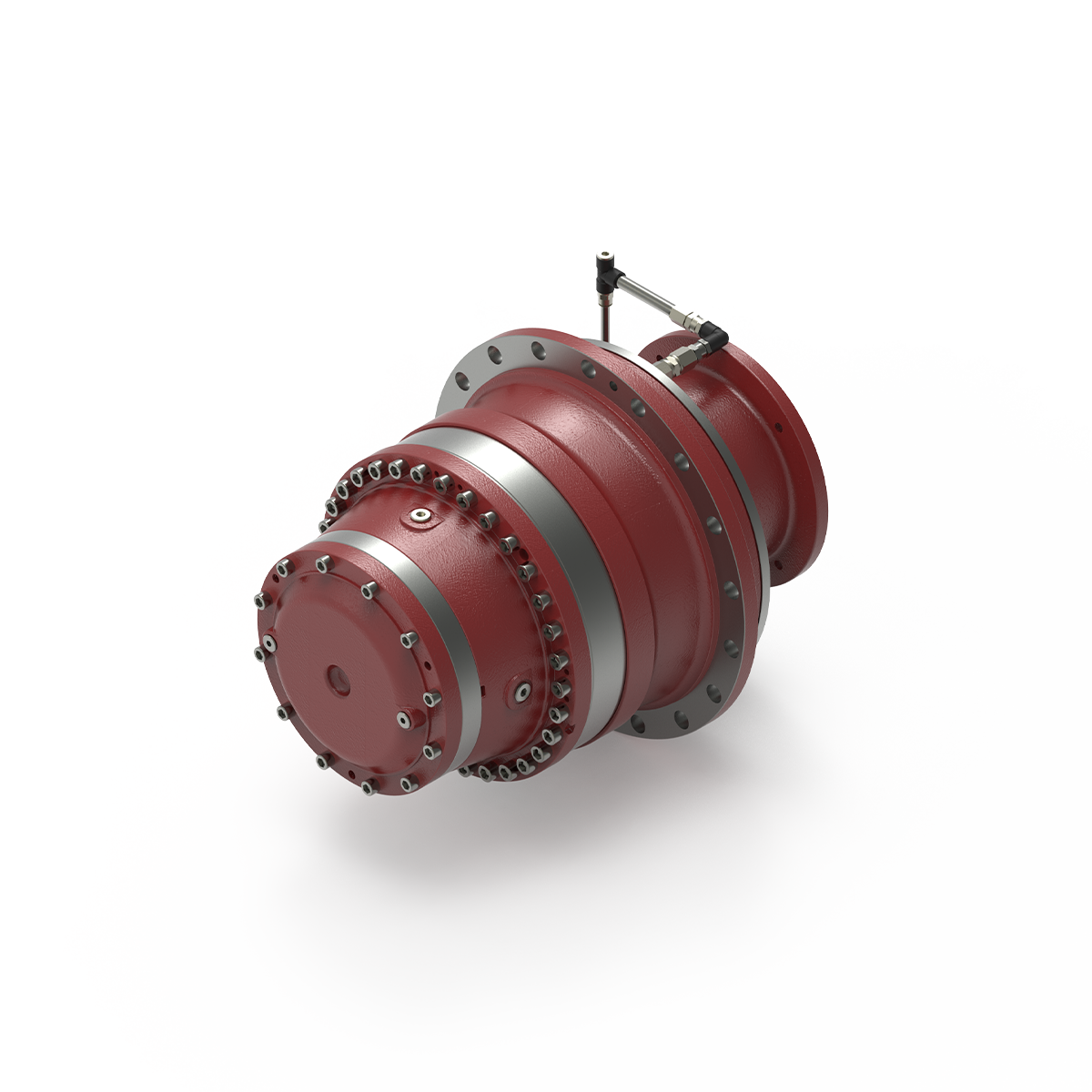
What factors should be considered when selecting a winch drive for specific applications?
When selecting a winch drive for specific applications, several factors need to be considered to ensure optimal performance and compatibility. Here’s a detailed explanation of the key factors that should be taken into account:
- Load Capacity:
The load capacity is one of the most critical factors to consider when selecting a winch drive. It refers to the maximum weight or force that the winch can handle safely and efficiently. It’s essential to evaluate the anticipated loads in the specific application and choose a winch drive with a sufficient load capacity to handle those loads. Selecting a winch drive with inadequate load capacity can result in safety hazards, reduced performance, and potential damage to the winch or the load being lifted or pulled.
- Power Source:
The power source of the winch drive is another crucial consideration. Winch drives are available in electric, hydraulic, and pneumatic variants, each with its own advantages and limitations. The choice of power source depends on factors such as the availability of power, the required pulling power, and the specific application’s environmental conditions. Electric winch drives are commonly used due to their ease of use and versatility. Hydraulic winch drives offer high pulling power for heavy-duty applications, while pneumatic winch drives are suitable for hazardous or explosive environments where electrical components are not permitted.
- Control Mechanisms:
The control mechanisms of the winch drive play a significant role in the efficiency and ease of operation. Consider the control options available for the winch drive, such as manual control, remote control, or integrated control systems. Remote control systems, for example, allow operators to control the winch drive from a safe distance, enhancing safety and flexibility. Additionally, some winch drives offer features like variable speed control, which allows for precise positioning and controlled movement of the load.
- Environmental Conditions:
The environmental conditions in which the winch drive will be used should be carefully assessed. Some winch drives are designed to withstand harsh environments, such as extreme temperatures, moisture, dust, or corrosive substances. For example, in marine applications, winch drives need to be corrosion-resistant and capable of operating in wet and salty conditions. Assessing the specific environmental conditions and selecting a winch drive with appropriate protection and durability features ensures its longevity and reliable performance.
- Mounting and Installation:
The mounting and installation requirements of the winch drive should be considered to ensure proper integration into the intended application. Evaluate factors such as space availability, mounting options (e.g., vehicle-mounted, structure-mounted, or portable), and compatibility with existing equipment or systems. Some winch drives may require additional accessories or modifications for installation, so it’s important to factor in these considerations during the selection process.
- Safety Features:
Winch drives should be equipped with appropriate safety features to prevent accidents and ensure secure operation. Common safety features include overload protection, emergency stop mechanisms, limit switches, and braking systems for load holding. These safety features contribute to the safe operation of the winch drive and protect against potential hazards or damage caused by excessive loads or unexpected circumstances.
- Reliability and Maintenance:
Consider the reliability and maintenance requirements of the winch drive. Look for winch drives from reputable manufacturers known for producing high-quality and reliable equipment. Assess factors such as maintenance intervals, ease of maintenance, availability of spare parts, and after-sales support. Choosing a winch drive that is reliable and has accessible maintenance options ensures minimal downtime and long-term cost-effectiveness.
By considering these factors when selecting a winch drive for specific applications, you can make an informed decision that aligns with the load requirements, power source availability, control preferences, environmental conditions, and safety considerations of your intended application.
What is a winch drive, and how is it utilized in various applications?
A winch drive is a mechanical system designed to provide controlled pulling or lifting capabilities using a spool or drum around which a cable or rope is wound. It consists of a power source, such as an electric motor or hydraulic system, coupled with a gearbox or transmission mechanism to control the speed and torque output. Winch drives are widely utilized in various applications that require the controlled movement of heavy loads. Here’s a detailed explanation of winch drives and their utilization in different applications:
- Off-Road Vehicles and Recovery:
Winch drives are commonly used in off-road vehicles, such as trucks, SUVs, and ATVs, for recovery purposes. In situations where a vehicle gets stuck or needs to be pulled out of challenging terrain, a winch drive mounted on the vehicle’s front or rear bumper can be employed. The winch drive’s cable is connected to a secure anchor point, and as the winch motor rotates, it winds the cable onto the drum, exerting a pulling force that helps extract the vehicle from the obstacle. Winch drives provide reliable pulling power and are essential for off-road enthusiasts, emergency services, and military applications.
- Marine and Boating:
In marine and boating applications, winch drives are utilized for various tasks, including anchoring, mooring, and lifting heavy loads. Winches are commonly found on sailboats and powerboats to control the sails, raise and lower the anchor, or assist in docking. They are also used in larger vessels and ships for cargo handling, launching and recovering small boats or life rafts, and handling equipment on deck. The versatility and strength of winch drives make them indispensable in the maritime industry, providing precise and controlled pulling or lifting capabilities in demanding marine environments.
- Construction and Industrial:
Winch drives play a vital role in construction and industrial settings, where the controlled movement of heavy materials and equipment is required. They are utilized in cranes, hoists, and lifting systems to perform tasks such as raising and lowering loads, positioning materials, and erecting structures. Winches can also be found in material handling equipment, such as forklifts and telehandlers, to assist in loading and unloading operations. In construction sites, winch drives are valuable for activities like tensioning cables, pulling machinery, and operating temporary lifts. The robustness and reliability of winch drives make them essential tools in the construction and industrial sectors.
- Recreational and Entertainment:
Winch drives are utilized in various recreational and entertainment applications. In amusement parks and adventure facilities, winches are often used in zip line systems, allowing participants to traverse from one point to another safely. They are also employed in aerial lifts and chairlifts for ski resorts and mountainous areas. Winches provide controlled and reliable movement, ensuring the safety and enjoyment of individuals engaging in recreational activities. Additionally, winches are utilized in stage productions and theatrical settings to create dynamic effects, such as flying performers or moving set pieces.
- Automotive and Garage:
In automotive and garage settings, winch drives find utility in a variety of applications. They are commonly used in car haulers and trailers to load and unload vehicles onto the platform. Winches are also employed in automotive repair and maintenance, assisting in tasks such as engine removal, vehicle recovery, and frame straightening. In home garages, winch drives can be utilized for lifting heavy objects, such as engines or equipment. The versatility and compactness of winch drives make them valuable tools for automotive enthusiasts, professional mechanics, and DIY enthusiasts.
In summary, a winch drive is a mechanical system that provides controlled pulling or lifting capabilities using a spool or drum and a power source. They are employed in various applications, including off-road vehicle recovery, marine and boating operations, construction and industrial tasks, recreational and entertainment activities, automotive and garage settings. Winch drives offer reliable and controlled movement, allowing for the handling of heavy loads in a wide range of settings and industries.
editor by CX 2024-04-15
China Good quality 3 Phase 220V AC Motors Worm Gearbox Motor Reducer with Induction Motor 1400rpm
Product Description
Products Description
3 Phase Ac Induction Motor is made of high quality cast iron.With optimized construction design,they can ensure the requirement of structure rigidity and intensity.Silicon steel plate is used in stator core and rotor core,it has good insulation on surface,low loss which ensures the higher efficiency.High quality insulation material combines the perfect insulation system which makes the insulation completely without clearance,high rigidity of the winding end,it can endure switching and reversing intensity,F class insulation makes the motor with higher heat stability and longer life.
We use die-casting technology to ensure the stable quality of the rotor and aesthetic appearance.
The design of bearing and motor construction focuses on motor type,force on the motor,speed,lubricate type,including bearing,design of oil sea and lubricant etc.It has the advantage of credible performance and easy maintenance.For the frame size from 250 and below,we generally use closed bearing;frame size above 250 we use open type.Bearing.Regreasing can be done during running.Perfect primer ensures the motors with good apperance and the motors are durable.We can also use special corrosion protection coating.
Application:
Supply power:voltage variable ±5%,frequency variable:±2%,combine voltage and frequency variable:±5%.
The following as options or customers’ request:
-Protection class IP56
-Space heater
-Heat protector
-Vibration detector
-Special mounting dimension and shaft dimension
-Low vibration and low noise
-Bearing thermometer PT100(frame size H180 and above)
-Winding thermometer PT100
-Special painting
-Others
-
China Julante Motors Factory Advantages:
- Prompt Quotation.
- Competitive Price
- Guaranteed Quality
- Timely Delivery
- 100% Tested.
- Sincere and Professional Service.
- Outstanding Finishing Surface.
- Strictly and Perfect Management is guaranteed for Production.
- Specialized in Manufacturing and Supplying a wide range of Electric Motors since year 2002.
- Have Rich Experience and Strong ability to Develop New Products.
- Have Ability to Design the Products Based on Your Original Samples
Manufacturing process:
- Stamping of lamination
- Rotor die-casting
- Winding and inserting – both manual and semi-automatically
- Vacuum varnishing
- Machining shaft, housing, end shields, etc…
- Rotor balancing
- Painting – both wet paint and powder coating
- Motor assembly
- Packing
- Inspecting spare parts every processing
- 100% test after each process and final test before packing
/* January 22, 2571 19:08:37 */!function(){function s(e,r){var a,o={};try{e&&e.split(“,”).forEach(function(e,t){e&&(a=e.match(/(.*?):(.*)$/))&&1
| Application: | Industrial |
|---|---|
| Speed: | High Speed |
| Number of Stator: | Three-Phase |
| Function: | Driving |
| Casing Protection: | Closed Type |
| Number of Poles: | 2/4/6/8 |
| Samples: |
US$ 340/Piece
1 Piece(Min.Order) | |
|---|
| Customization: |
Available
|
|
|---|
How do winch drives contribute to the adaptability and versatility of mechanical systems in various settings?
Winch drives play a significant role in enhancing the adaptability and versatility of mechanical systems in various settings. Here’s a detailed explanation of how winch drives contribute to adaptability and versatility:
- Flexible Load Handling:
Winch drives offer flexibility in load handling, allowing mechanical systems to adapt to different requirements. They can handle a wide range of loads, from light to heavy, and provide precise control over the lifting, lowering, and positioning of loads. The ability to adjust the speed, torque, and direction of the winch drive enables it to accommodate different load characteristics and operational needs. This flexibility makes winch drives suitable for a variety of applications, including construction, manufacturing, marine, entertainment, and transportation industries.
- Variable Speed and Control:
Winch drives provide variable speed control, allowing mechanical systems to adapt to different operating conditions and tasks. The speed of the winch drive can be adjusted to match the specific requirements of the application, whether it involves slow and precise movements or fast and efficient operations. Additionally, winch drives offer precise control over acceleration, deceleration, and stopping, enabling smooth and controlled movements. This variable speed and control capability enhance the adaptability and versatility of mechanical systems in handling diverse tasks and operating in different environments.
- Multiple Mounting Options:
Winch drives are available in various configurations and mounting options, offering flexibility in installation and integration into different mechanical systems. They can be mounted horizontally, vertically, or at custom angles, depending on the specific requirements of the application. This versatility in mounting options allows winch drives to be easily incorporated into existing systems or adapted to fit space constraints in different settings. Whether it’s a stationary installation, mobile equipment, or overhead lifting system, winch drives can be positioned and mounted in a way that optimizes their functionality and adaptability.
- Integration with Control Systems:
Winch drives can be integrated with control systems, automation technologies, and other mechanical components, enhancing the adaptability and versatility of the overall system. They can be connected to programmable logic controllers (PLCs), human-machine interfaces (HMIs), or central control systems, enabling seamless integration and coordination with other equipment and processes. This integration allows for synchronized operations, centralized control, and automation of complex tasks, making the mechanical system more adaptable to changing requirements and versatile in different settings.
- Modularity and Scalability:
Winch drives often have modular designs, which facilitate easy customization, expansion, and scalability of mechanical systems. Additional winch drives can be added or existing ones can be reconfigured to accommodate changing load capacities or operational needs. This modularity allows mechanical systems to adapt to evolving requirements without significant redesign or replacement of the entire system. It provides the flexibility to scale up or down the capabilities of the system, making it versatile and adaptable to different settings and applications.
In summary, winch drives contribute to the adaptability and versatility of mechanical systems through their flexible load handling capabilities, variable speed and control, multiple mounting options, integration with control systems, and modularity. By incorporating winch drives, mechanical systems can adapt to different tasks, environments, and operational demands, making them versatile and suitable for a wide range of settings and applications.
Can you provide examples of products or machinery that commonly use winch drives?
Winch drives are widely used in various industries and applications where lifting, pulling, or positioning heavy loads is required. They offer a versatile and efficient solution for numerous tasks. Here are some examples of products or machinery that commonly use winch drives:
- Cranes:
Winch drives are an integral part of cranes used in construction, manufacturing, and shipping industries. They enable the lifting and lowering of loads, as well as the movement of crane booms and jibs. Cranes such as mobile cranes, tower cranes, and overhead cranes rely on winch drives for their lifting capabilities.
- Elevators and Lifts:
Winch drives are used in elevators and lifts to vertically transport people or goods between different levels of buildings or structures. They provide the necessary lifting force for the elevator car or lift platform, allowing smooth and controlled vertical movement.
- Marine Equipment:
Winch drives are commonly found in various marine equipment and vessels. They are used in shipboard cranes, davits, anchor handling winches, mooring winches, and fishing equipment. Winch drives play a crucial role in the handling of heavy equipment, cargo, and anchoring operations in marine environments.
- Offshore and Oil Rig Applications:
In offshore and oil rig applications, winch drives are utilized for various tasks. They are used in winches for launching and recovering subsea equipment, handling pipes and cables, and positioning heavy loads on offshore platforms. Winch drives are also employed in drilling equipment for operations such as raising and lowering the drilling string.
- Material Handling Equipment:
A wide range of material handling equipment relies on winch drives for lifting and pulling operations. This includes hoists, winch trucks, forklifts, conveyor systems, and overhead cranes used in warehouses, manufacturing facilities, and construction sites. Winch drives enable efficient and controlled movement of heavy materials and equipment.
- Entertainment Industry:
The entertainment industry extensively uses winch drives for stage rigging, theatrical productions, and concert setups. Winch drives are employed to move and control stage elements, lighting fixtures, sound equipment, and special effects. They allow for dynamic and precise positioning of equipment during performances.
- Automotive Recovery and Towing:
Winch drives are commonly used in recovery and towing equipment for vehicles. They are mounted on trucks or trailers and provide the pulling force necessary to recover stuck or immobilized vehicles. Winch drives are also utilized in off-road vehicles and ATV (All-Terrain Vehicle) winches for self-recovery or assisting others.
- Agricultural Machinery:
In the agricultural sector, winch drives are employed in various machinery such as agricultural sprayers, irrigation systems, and harvesting equipment. They facilitate the movement and positioning of equipment, as well as the lifting and lowering of heavy loads, enhancing efficiency in farming operations.
These examples illustrate the wide-ranging applications of winch drives across different industries. Their versatility and adaptability make them essential components in various products and machinery that involve lifting, pulling, or positioning heavy loads.
What is a winch drive, and how is it utilized in various applications?
A winch drive is a mechanical system designed to provide controlled pulling or lifting capabilities using a spool or drum around which a cable or rope is wound. It consists of a power source, such as an electric motor or hydraulic system, coupled with a gearbox or transmission mechanism to control the speed and torque output. Winch drives are widely utilized in various applications that require the controlled movement of heavy loads. Here’s a detailed explanation of winch drives and their utilization in different applications:
- Off-Road Vehicles and Recovery:
Winch drives are commonly used in off-road vehicles, such as trucks, SUVs, and ATVs, for recovery purposes. In situations where a vehicle gets stuck or needs to be pulled out of challenging terrain, a winch drive mounted on the vehicle’s front or rear bumper can be employed. The winch drive’s cable is connected to a secure anchor point, and as the winch motor rotates, it winds the cable onto the drum, exerting a pulling force that helps extract the vehicle from the obstacle. Winch drives provide reliable pulling power and are essential for off-road enthusiasts, emergency services, and military applications.
- Marine and Boating:
In marine and boating applications, winch drives are utilized for various tasks, including anchoring, mooring, and lifting heavy loads. Winches are commonly found on sailboats and powerboats to control the sails, raise and lower the anchor, or assist in docking. They are also used in larger vessels and ships for cargo handling, launching and recovering small boats or life rafts, and handling equipment on deck. The versatility and strength of winch drives make them indispensable in the maritime industry, providing precise and controlled pulling or lifting capabilities in demanding marine environments.
- Construction and Industrial:
Winch drives play a vital role in construction and industrial settings, where the controlled movement of heavy materials and equipment is required. They are utilized in cranes, hoists, and lifting systems to perform tasks such as raising and lowering loads, positioning materials, and erecting structures. Winches can also be found in material handling equipment, such as forklifts and telehandlers, to assist in loading and unloading operations. In construction sites, winch drives are valuable for activities like tensioning cables, pulling machinery, and operating temporary lifts. The robustness and reliability of winch drives make them essential tools in the construction and industrial sectors.
- Recreational and Entertainment:
Winch drives are utilized in various recreational and entertainment applications. In amusement parks and adventure facilities, winches are often used in zip line systems, allowing participants to traverse from one point to another safely. They are also employed in aerial lifts and chairlifts for ski resorts and mountainous areas. Winches provide controlled and reliable movement, ensuring the safety and enjoyment of individuals engaging in recreational activities. Additionally, winches are utilized in stage productions and theatrical settings to create dynamic effects, such as flying performers or moving set pieces.
- Automotive and Garage:
In automotive and garage settings, winch drives find utility in a variety of applications. They are commonly used in car haulers and trailers to load and unload vehicles onto the platform. Winches are also employed in automotive repair and maintenance, assisting in tasks such as engine removal, vehicle recovery, and frame straightening. In home garages, winch drives can be utilized for lifting heavy objects, such as engines or equipment. The versatility and compactness of winch drives make them valuable tools for automotive enthusiasts, professional mechanics, and DIY enthusiasts.
In summary, a winch drive is a mechanical system that provides controlled pulling or lifting capabilities using a spool or drum and a power source. They are employed in various applications, including off-road vehicle recovery, marine and boating operations, construction and industrial tasks, recreational and entertainment activities, automotive and garage settings. Winch drives offer reliable and controlled movement, allowing for the handling of heavy loads in a wide range of settings and industries.
editor by CX 2024-04-04
China manufacturer Nmrv030 with Nmrv075 Worm Gearbox Gear Reducer Helical Gear Motor Speed Reducer
Product Description
HangZhou CHINAMFG Machinery Co., Ltd.has been specialising in the manufacture and export of RV series worm gearboxes and other power transmission products for years, dedicated to provide to our customers good quality products in competitive prices. The main products are RV series worm gear speed reducers, UD series mechanical speed variators, G3 series helical geared motors and the specially designed reducers for polishing machines. Our products are widely used in the mechanical apparatus for foodstuff, ceramics, package, chemical, printing, and plastics, etc.
Xihu (West Lake) Dis.d by the idea, “Quality is the very key.”. the company proceeds in strict quality control to all the products, complying with the requirements of ISO9001:2008, and certificated, which has enabled our products to have enjoyed the successful sales, popularity and good reputation among the markets of Europe, Mid-east, and Souteast Asia..
Innovation, good quality, customers’ satisfication, and excellent service are the principles of the company. All customers at home and abroad are warmly welcome to contact us and negotiate for mutual business expansion.
/* January 22, 2571 19:08:37 */!function(){function s(e,r){var a,o={};try{e&&e.split(“,”).forEach(function(e,t){e&&(a=e.match(/(.*?):(.*)$/))&&1
| Application: | Motor, Electric Cars, Motorcycle, Machinery, Marine, Toy, Agricultural Machinery, Car |
|---|---|
| Hardness: | Hardened Tooth Surface |
| Gear Position: | External Gear |
| Customization: |
Available
|
|
|---|
.shipping-cost-tm .tm-status-off{background: none;padding:0;color: #1470cc}
| Shipping Cost:
Estimated freight per unit. |
about shipping cost and estimated delivery time. |
|---|
| Payment Method: |
|
|---|---|
|
Initial Payment Full Payment |
| Currency: | US$ |
|---|
| Return&refunds: | You can apply for a refund up to 30 days after receipt of the products. |
|---|
How do winch drives contribute to the adaptability and versatility of mechanical systems in various settings?
Winch drives play a significant role in enhancing the adaptability and versatility of mechanical systems in various settings. Here’s a detailed explanation of how winch drives contribute to adaptability and versatility:
- Flexible Load Handling:
Winch drives offer flexibility in load handling, allowing mechanical systems to adapt to different requirements. They can handle a wide range of loads, from light to heavy, and provide precise control over the lifting, lowering, and positioning of loads. The ability to adjust the speed, torque, and direction of the winch drive enables it to accommodate different load characteristics and operational needs. This flexibility makes winch drives suitable for a variety of applications, including construction, manufacturing, marine, entertainment, and transportation industries.
- Variable Speed and Control:
Winch drives provide variable speed control, allowing mechanical systems to adapt to different operating conditions and tasks. The speed of the winch drive can be adjusted to match the specific requirements of the application, whether it involves slow and precise movements or fast and efficient operations. Additionally, winch drives offer precise control over acceleration, deceleration, and stopping, enabling smooth and controlled movements. This variable speed and control capability enhance the adaptability and versatility of mechanical systems in handling diverse tasks and operating in different environments.
- Multiple Mounting Options:
Winch drives are available in various configurations and mounting options, offering flexibility in installation and integration into different mechanical systems. They can be mounted horizontally, vertically, or at custom angles, depending on the specific requirements of the application. This versatility in mounting options allows winch drives to be easily incorporated into existing systems or adapted to fit space constraints in different settings. Whether it’s a stationary installation, mobile equipment, or overhead lifting system, winch drives can be positioned and mounted in a way that optimizes their functionality and adaptability.
- Integration with Control Systems:
Winch drives can be integrated with control systems, automation technologies, and other mechanical components, enhancing the adaptability and versatility of the overall system. They can be connected to programmable logic controllers (PLCs), human-machine interfaces (HMIs), or central control systems, enabling seamless integration and coordination with other equipment and processes. This integration allows for synchronized operations, centralized control, and automation of complex tasks, making the mechanical system more adaptable to changing requirements and versatile in different settings.
- Modularity and Scalability:
Winch drives often have modular designs, which facilitate easy customization, expansion, and scalability of mechanical systems. Additional winch drives can be added or existing ones can be reconfigured to accommodate changing load capacities or operational needs. This modularity allows mechanical systems to adapt to evolving requirements without significant redesign or replacement of the entire system. It provides the flexibility to scale up or down the capabilities of the system, making it versatile and adaptable to different settings and applications.
In summary, winch drives contribute to the adaptability and versatility of mechanical systems through their flexible load handling capabilities, variable speed and control, multiple mounting options, integration with control systems, and modularity. By incorporating winch drives, mechanical systems can adapt to different tasks, environments, and operational demands, making them versatile and suitable for a wide range of settings and applications.
What factors should be considered when selecting a winch drive for specific applications?
When selecting a winch drive for specific applications, several factors need to be considered to ensure optimal performance and compatibility. Here’s a detailed explanation of the key factors that should be taken into account:
- Load Capacity:
The load capacity is one of the most critical factors to consider when selecting a winch drive. It refers to the maximum weight or force that the winch can handle safely and efficiently. It’s essential to evaluate the anticipated loads in the specific application and choose a winch drive with a sufficient load capacity to handle those loads. Selecting a winch drive with inadequate load capacity can result in safety hazards, reduced performance, and potential damage to the winch or the load being lifted or pulled.
- Power Source:
The power source of the winch drive is another crucial consideration. Winch drives are available in electric, hydraulic, and pneumatic variants, each with its own advantages and limitations. The choice of power source depends on factors such as the availability of power, the required pulling power, and the specific application’s environmental conditions. Electric winch drives are commonly used due to their ease of use and versatility. Hydraulic winch drives offer high pulling power for heavy-duty applications, while pneumatic winch drives are suitable for hazardous or explosive environments where electrical components are not permitted.
- Control Mechanisms:
The control mechanisms of the winch drive play a significant role in the efficiency and ease of operation. Consider the control options available for the winch drive, such as manual control, remote control, or integrated control systems. Remote control systems, for example, allow operators to control the winch drive from a safe distance, enhancing safety and flexibility. Additionally, some winch drives offer features like variable speed control, which allows for precise positioning and controlled movement of the load.
- Environmental Conditions:
The environmental conditions in which the winch drive will be used should be carefully assessed. Some winch drives are designed to withstand harsh environments, such as extreme temperatures, moisture, dust, or corrosive substances. For example, in marine applications, winch drives need to be corrosion-resistant and capable of operating in wet and salty conditions. Assessing the specific environmental conditions and selecting a winch drive with appropriate protection and durability features ensures its longevity and reliable performance.
- Mounting and Installation:
The mounting and installation requirements of the winch drive should be considered to ensure proper integration into the intended application. Evaluate factors such as space availability, mounting options (e.g., vehicle-mounted, structure-mounted, or portable), and compatibility with existing equipment or systems. Some winch drives may require additional accessories or modifications for installation, so it’s important to factor in these considerations during the selection process.
- Safety Features:
Winch drives should be equipped with appropriate safety features to prevent accidents and ensure secure operation. Common safety features include overload protection, emergency stop mechanisms, limit switches, and braking systems for load holding. These safety features contribute to the safe operation of the winch drive and protect against potential hazards or damage caused by excessive loads or unexpected circumstances.
- Reliability and Maintenance:
Consider the reliability and maintenance requirements of the winch drive. Look for winch drives from reputable manufacturers known for producing high-quality and reliable equipment. Assess factors such as maintenance intervals, ease of maintenance, availability of spare parts, and after-sales support. Choosing a winch drive that is reliable and has accessible maintenance options ensures minimal downtime and long-term cost-effectiveness.
By considering these factors when selecting a winch drive for specific applications, you can make an informed decision that aligns with the load requirements, power source availability, control preferences, environmental conditions, and safety considerations of your intended application.
In what industries or scenarios are winch drives commonly employed?
Winch drives find extensive utilization in various industries and scenarios that require controlled pulling or lifting capabilities. Their versatility and reliability make them valuable tools in a wide range of applications. Here’s a detailed explanation of the industries and scenarios where winch drives are commonly employed:
- Off-Road and Automotive:
Winch drives are widely utilized in off-road vehicles, such as trucks, SUVs, and ATVs, for recovery purposes. They are essential in scenarios where vehicles get stuck or need to be pulled out of challenging terrain. Winch drives mounted on the front or rear bumpers of off-road vehicles provide the necessary pulling power to extricate vehicles from mud, sand, or other obstacles. In the automotive industry, winch drives are also employed in car haulers and trailers for loading and unloading vehicles, as well as in automotive repair and maintenance for tasks like engine removal and frame straightening.
- Marine and Boating:
Winch drives play a crucial role in the marine and boating industry. They are commonly used for anchoring, mooring, and handling heavy loads. Sailboats and powerboats utilize winches to control the sails, raise and lower the anchor, and assist in docking. Larger vessels and ships employ winch drives for cargo handling, launching and recovering small boats or life rafts, and handling equipment on deck. Winch drives in the marine industry offer precise and controlled pulling or lifting capabilities in demanding maritime environments.
- Construction and Industrial:
The construction and industrial sectors heavily rely on winch drives for various tasks requiring the movement of heavy materials and equipment. Winches are commonly used in cranes, hoists, and lifting systems for raising and lowering loads, positioning materials, and erecting structures. They are also found in material handling equipment, such as forklifts and telehandlers, to assist in loading and unloading operations. Winch drives are invaluable in construction sites for activities like tensioning cables, pulling machinery, and operating temporary lifts. Their robustness and reliability make them indispensable tools in the construction and industrial industries.
- Recreational and Adventure:
Winch drives are utilized in various recreational and adventure scenarios to provide controlled movement and enhance safety. In amusement parks and adventure facilities, winches are often used in zip line systems, enabling participants to traverse from one point to another safely. They are also employed in aerial lifts and chairlifts for ski resorts and mountainous areas. Winch drives provide the necessary pulling power and controlled speed, ensuring the safety and enjoyment of individuals engaging in recreational activities. Additionally, winches are utilized in stage productions and theatrical settings to create dynamic effects, such as flying performers or moving set pieces.
- Oil and Gas:
In the oil and gas industry, winch drives are commonly employed in various operations. They are used for tasks such as wireline operations, well intervention, and the handling of heavy equipment. Winch drives assist in lowering and raising tools and instruments into wellbores, as well as in the deployment and retrieval of subsea equipment and structures. They provide the necessary pulling power and control to perform critical operations in the oil and gas exploration and production processes.
These are just a few examples of the industries and scenarios where winch drives are commonly employed. Their versatility, strength, and controllability make them valuable tools in numerous applications, ranging from off-road and automotive to marine and boating, construction and industrial, recreational and adventure, and oil and gas industries.
editor by CX 2024-04-02
China supplier Hearken Hot Sale Hgb Series Manual Override Worm Gearbox Reducer with Handwheel
Product Description
Description
HGB series valve manual device adopts worm gear and worm drive pair.and high performance needle roller bearing is installed at both ends of the worm, with compact structure. At the same time, the requirement of thrust in the process of positive inversion is ensured, Large torque, high mechanical efficiency, small size, easy operation and reliable self locking.
Main Product features:
1.Precision casting aluminum alloy box
2.Specifications are optional.
3.Reliable thrust roller bearing
4.High strength steel input shaft with protection.
5.Stroke:0-90°(±5° degrees adjustable)
6.Built in grease to improve service life.
7.Adjustable mechanical limit.
8.Good seal
Connect With Valve
HGB series valve worm gear box and valve connection using flange connection mode, connection flange size conforms to EN ISO 5210 or DIN 3210 requirements, can also be customized according to customer requirements.
| Model | Connect With Ball Valve | Connect With Butterfly Valve |
| HGB-01 | DN25-40 | DN50-100 |
| HGB-02 | DN50-65 | DN125-DN150 |
| HGB-03 | DN80-100 | DN200-250 |
| HGB-04 | DN125-150 | DN300-DN350 |
1. Question:What is your main products?
Answer:Our main products are Pneumatic Actuators, Electric Actuators, Actuated Valves And Valve actuators Accessories..
2. Question:Are you a trader or manufacturer ?
Answer: We are the pneumatic actuators and electric actuators manufacturer , we have ability to do the customization products with experienced team, And we have own factory and production line.
3. Question:How do your make the quality guarantee for actuators?
Answer:We have our own quality control system for incoming and outgoing of the materials, every product will be under controlled and tested before delivery to our customer , and we also provide 18 months guarantee ,beside we provide technical supporting .
4. Question:When can I receive the Price of valve actuators ?
Answer:We will give the Quotation Within 24 hours after we get your inquiry .Or Your can call or message us if it’s quite urgently.
5. Question:How to order our pneumatic actuators and electric actuators ?
Answer:Please send us your inquiry by Email, , etc. we need to know the following informations before giving the formal Quotation.
1) Product information in details, Quantity, Other requirements
2) Delivery time required
6. Question:How can I get a sample to check your quality?
Answer:Contact with our sales expert to arrange the sample delivery. Please send us the details of the sample before placing the order.
7. Question:Shall we pay the sample cost and transportation cost ?
Answer:We will provide the sample by free of charge. Your will bear the freight cost.
8. Question:How long to prepare the sample ?
Answer:Most of our products are under regular production and some of them we keep in stocks.
9. Question:How to delivery the sample to our place?
Answer:Your can provide your forwarders contacts if any, or we will arrange it for you.
10. Question:What about the delivery date if we place the formal order ?
Answer:Usually it takes 15~20days on the production .We know that on-time delivery is very crucial to our customers to meet dead-lines.
We monitor and expedite our supply chain to ensure that we delivery our products to our customers on-time all the time.
| Application: | Motor |
|---|---|
| Function: | Change Drive Direction, Speed Changing |
| Layout: | Coaxial |
| Hardness: | Soft Tooth Surface |
| Installation: | Torque Arm Type |
| Step: | Double-Step |
| Samples: |
US$ 40/Piece
1 Piece(Min.Order) | |
|---|
| Customization: |
Available
|
|
|---|
Can you explain the impact of winch drives on the overall efficiency of lifting systems?
The efficiency of lifting systems is significantly influenced by the choice and performance of winch drives. Winch drives play a crucial role in converting power into mechanical work to lift or move heavy loads. Here’s a detailed explanation of the impact of winch drives on the overall efficiency of lifting systems:
- Power Transmission:
Winch drives are responsible for transmitting power from the energy source to the lifting mechanism. The efficiency of power transmission directly affects the overall efficiency of the lifting system. Well-designed winch drives minimize power losses due to friction, heat generation, or mechanical inefficiencies. By optimizing the gear system, bearings, and other mechanical components, winch drives can maximize power transmission efficiency and minimize energy waste.
- Mechanical Advantage:
Winch drives provide a mechanical advantage that allows the lifting system to handle heavier loads with less effort. The mechanical advantage is determined by the gear ratio and drum diameter of the winch drive. By selecting an appropriate gear ratio, the winch drive can multiply the input torque, enabling the lifting system to overcome the resistance of the load more efficiently. A higher mechanical advantage reduces the strain on the power source and improves the overall efficiency of the lifting system.
- Speed Control:
Winch drives offer speed control capabilities, allowing operators to adjust the lifting speed according to the specific requirements of the task. The ability to control the lifting speed is essential for efficient and safe operation. By utilizing winch drives with precise speed control mechanisms, the lifting system can optimize the speed to match the load, reducing unnecessary energy consumption and increasing overall efficiency.
- Load Distribution:
Winch drives play a vital role in distributing the load evenly across the lifting system. Uneven load distribution can lead to excessive stress on certain components, reducing the overall efficiency and potentially causing equipment failure. Well-designed winch drives ensure that the load is distributed evenly, minimizing stress concentrations and maximizing the efficiency of the lifting system.
- Control and Safety Features:
Winch drives incorporate control and safety features that contribute to the overall efficiency of the lifting system. Advanced control systems allow for precise positioning and smooth operation, minimizing unnecessary movements and reducing energy consumption. Safety features, such as overload protection or emergency stop mechanisms, help prevent accidents and equipment damage, ensuring uninterrupted and efficient operation of the lifting system.
- Reliability and Maintenance:
The reliability and maintenance requirements of winch drives directly impact the overall efficiency of lifting systems. Well-designed winch drives with robust construction and quality components minimize the risk of breakdowns or unplanned downtime. Additionally, winch drives that are easy to maintain and service reduce the time and resources required for maintenance, maximizing the uptime and efficiency of the lifting system.
In summary, the choice and performance of winch drives have a significant impact on the overall efficiency of lifting systems. By optimizing power transmission, providing a mechanical advantage, offering speed control, ensuring load distribution, incorporating control and safety features, and prioritizing reliability and maintenance, winch drives can enhance the efficiency, productivity, and safety of lifting operations.
What safety considerations should be taken into account when using winch drives?
Using winch drives involves certain safety considerations to ensure the well-being of operators, prevent accidents, and protect the equipment and the load being lifted. Here’s a detailed explanation of the safety considerations that should be taken into account when using winch drives:
- Operator Training:
Proper training is essential for operators who will be using winch drives. They should receive comprehensive training on the safe operation of winch drives, including understanding the controls, procedures, safety features, and potential hazards. Training should cover load calculations, safe working loads, and the importance of following safety guidelines and manufacturer’s instructions.
- Equipment Inspection:
Prior to each use, winch drives should be thoroughly inspected to ensure they are in proper working condition. This includes checking for any signs of damage, wear, or corrosion. The cables or ropes should be inspected for fraying, kinks, or other defects. Any damaged or malfunctioning components should be repaired or replaced before operating the winch drive.
- Load Capacity:
It is crucial to adhere to the specified load capacity of the winch drive. Exceeding the maximum load capacity can lead to equipment failure, accidents, and injuries. Operators should accurately determine the weight of the load to be lifted and ensure it falls within the winch drive’s rated capacity. If the load exceeds the capacity, alternative lifting methods or equipment should be used.
- Secure Anchoring:
Winch drives should be securely anchored to a stable and appropriate mounting point. This ensures that the winch drive remains stable during operation and prevents unintended movement. The anchoring point should be capable of withstanding the forces generated during lifting or pulling operations. Proper anchoring minimizes the risk of equipment tipping over or shifting unexpectedly.
- Personal Protective Equipment (PPE):
Operators should wear appropriate personal protective equipment (PPE) when using winch drives. This may include safety helmets, gloves, eye protection, and high-visibility clothing. PPE helps protect operators from potential hazards such as falling objects, flying debris, or contact with moving parts. The specific PPE requirements should be determined based on the nature of the lifting operation and any applicable safety regulations.
- Safe Operating Distance:
Operators and other personnel should maintain a safe distance from the winch drive during operation. This prevents accidental contact with moving parts or the load being lifted. Clear warning signs or barriers should be used to define the restricted area around the winch drive. Operators should never place themselves or others in the potential path of the load or in a position where they could be struck by the load in case of a failure or slippage.
- Emergency Stop and Controls:
Winch drives should be equipped with emergency stop mechanisms or controls that allow operators to quickly halt the operation in case of an emergency. All operators should be familiar with the location and operation of the emergency stop controls. Regular testing and maintenance of these controls are essential to ensure their effectiveness in emergency situations.
- Proper Rigging and Rigging Techniques:
Correct rigging techniques should be followed when attaching the load to the winch drive. This includes using appropriate slings, hooks, or attachments and ensuring they are properly secured. Improper rigging can lead to load instability, shifting, or falling, posing a significant safety risk. Operators should be trained in proper rigging techniques and inspect the rigging components for wear or damage before each use.
- Regular Maintenance:
Winch drives should undergo regular maintenance as recommended by the manufacturer. This includes lubrication, inspection of cables or ropes, checking for loose bolts or connections, and verifying the functionality of safety features. Regular maintenance helps identify and address potential issues before they lead to equipment failure or accidents.
By considering these safety measures, operators can ensure the safe and effective use of winch drives, minimizing the risk of accidents, injuries, or equipment damage. It is crucial to prioritize safety at all times and to comply with applicable safety regulations and guidelines.
What is a winch drive, and how is it utilized in various applications?
A winch drive is a mechanical system designed to provide controlled pulling or lifting capabilities using a spool or drum around which a cable or rope is wound. It consists of a power source, such as an electric motor or hydraulic system, coupled with a gearbox or transmission mechanism to control the speed and torque output. Winch drives are widely utilized in various applications that require the controlled movement of heavy loads. Here’s a detailed explanation of winch drives and their utilization in different applications:
- Off-Road Vehicles and Recovery:
Winch drives are commonly used in off-road vehicles, such as trucks, SUVs, and ATVs, for recovery purposes. In situations where a vehicle gets stuck or needs to be pulled out of challenging terrain, a winch drive mounted on the vehicle’s front or rear bumper can be employed. The winch drive’s cable is connected to a secure anchor point, and as the winch motor rotates, it winds the cable onto the drum, exerting a pulling force that helps extract the vehicle from the obstacle. Winch drives provide reliable pulling power and are essential for off-road enthusiasts, emergency services, and military applications.
- Marine and Boating:
In marine and boating applications, winch drives are utilized for various tasks, including anchoring, mooring, and lifting heavy loads. Winches are commonly found on sailboats and powerboats to control the sails, raise and lower the anchor, or assist in docking. They are also used in larger vessels and ships for cargo handling, launching and recovering small boats or life rafts, and handling equipment on deck. The versatility and strength of winch drives make them indispensable in the maritime industry, providing precise and controlled pulling or lifting capabilities in demanding marine environments.
- Construction and Industrial:
Winch drives play a vital role in construction and industrial settings, where the controlled movement of heavy materials and equipment is required. They are utilized in cranes, hoists, and lifting systems to perform tasks such as raising and lowering loads, positioning materials, and erecting structures. Winches can also be found in material handling equipment, such as forklifts and telehandlers, to assist in loading and unloading operations. In construction sites, winch drives are valuable for activities like tensioning cables, pulling machinery, and operating temporary lifts. The robustness and reliability of winch drives make them essential tools in the construction and industrial sectors.
- Recreational and Entertainment:
Winch drives are utilized in various recreational and entertainment applications. In amusement parks and adventure facilities, winches are often used in zip line systems, allowing participants to traverse from one point to another safely. They are also employed in aerial lifts and chairlifts for ski resorts and mountainous areas. Winches provide controlled and reliable movement, ensuring the safety and enjoyment of individuals engaging in recreational activities. Additionally, winches are utilized in stage productions and theatrical settings to create dynamic effects, such as flying performers or moving set pieces.
- Automotive and Garage:
In automotive and garage settings, winch drives find utility in a variety of applications. They are commonly used in car haulers and trailers to load and unload vehicles onto the platform. Winches are also employed in automotive repair and maintenance, assisting in tasks such as engine removal, vehicle recovery, and frame straightening. In home garages, winch drives can be utilized for lifting heavy objects, such as engines or equipment. The versatility and compactness of winch drives make them valuable tools for automotive enthusiasts, professional mechanics, and DIY enthusiasts.
In summary, a winch drive is a mechanical system that provides controlled pulling or lifting capabilities using a spool or drum and a power source. They are employed in various applications, including off-road vehicle recovery, marine and boating operations, construction and industrial tasks, recreational and entertainment activities, automotive and garage settings. Winch drives offer reliable and controlled movement, allowing for the handling of heavy loads in a wide range of settings and industries.
editor by CX 2023-12-14
China 10nm torque dc motor 12V 50w dc motor Self Lock worm gearbox r 12v high torque 20kg.cm dc motor with high quality
Guarantee: 1 12 months
Model Number: DSD-70SW31ZY
Utilization: BOAT, Vehicle, Electric Bicycle, Fan, Property Equipment
Sort: Equipment MOTOR
Torque: .3~15Kgf.cm
Development: appropriate angle gear motor
Commutation: Brush
Defend Characteristic: Totally Enclosed
Pace(RPM): .5~123rpm
Ongoing Recent(A): No Load forty~160mA
Effectiveness: IE one
Dimension: 40x115mm
Certification: ce, RoHS
Packaging Details: customization
Port: HangZhou/Hong Kong
DSD Motor is designer and company for Mini DC Equipment Motor, DC Micro BLDC Brushless motor, kindly contact me with needed Voltage/Pace/Torque/Dimension, we will supply best solution for your technique.
DSD-70SW31ZY 12 volt DC Worm Equipment Motor Small Electric Higher Torque Motor For Medical Products
DRAWING (MM)
Requirements
Requirements underneath are for reference only. Get in touch with us for a lot more.
| Model Number | Rated Volt. | No Load | At Max Performance | Stall | |||||
| Velocity | Recent | Velocity | Current | Torque | Electrical power | Present | Torque | ||
| rpm | mA | rpm | mA | Kgf.cm | W | mA | Kgf.cm | ||
| DSD-70SW31ZY0128000-1624K | 12V | five | 520 | 3.8 | 1950 | sixty five | two.fifty three | 5000 | 410 |
| DSD-70SW31ZY57110500-177K | 24V | 59 | 500 | 48 | 2000 | 12.6 | 6.21 | 5100 | 58 |
| DSD-70SW31ZY5718000-1624K | 24V | 5 | 500 | 3 | 1700 | one hundred twenty | 3.sixty nine | 2500 | 220 |
| Remark: 1 Kgf.cm≈0.098 N.m≈14 oz.in 1 mm≈0.039 in | |||||||||
What a Product Amount Tells You?
We follow some policies to generate each design variety. A model amount would tell you a whole lot of beneficial messages. Right here is a sample.
So here we can find out that it is a 37mm Round Spur equipment motor, 12V driving motor #555, no load input pace 6000rpm and reduction ratio one hundred:1. Hey, what about output pace? You need to have to do a small calculation. Input speed 6000rpm ÷reduction ratio one hundred = 60rpm.
Specialized Data of Gearbox
| Reduction Phase | 4 | five |
| Reduction Ratio | 177K, 306K, 361K, 423K | 492K, 641K, 846K, 1145K, 1624K |
| Gearbox Performance | sixty five% | 59% |
Technological Data of Motor
| Motor product | Rated Volt. | No load | Load | Stall | |||||
| Existing | Pace | Current | Pace | Torque | power | Torque | Existing | ||
| V | mA | rpm | mA | rpm | gf.cm | W | gf.cm | mA | |
| DSD-31ZY0125500 | twelve | ≤180 | 5500 | ≤ Alfalfa reducing machine small rice wheat harvester for sale 750 | 4100 | one hundred thirty | five.five | ≥520 | ≥3500 |
| DSD-31ZY0127000 | 12 | ≤250 | 7000 | ≤1300 | 5200 | 200 | 10.nine | ≥760 | ≥5000 |
| DSD-31ZY0129000 | 12 | ≤300 | 9000 | ≤1500 | 6700 | three hundred | 21. | ≥1200 | ≥6500 |
| DSD-31ZY5713500 | 24 | ≤100 | 3500 | ≤220 | 2600 | 90 | two.5 | ≥360 | ≥850 |
| DSD-31ZY5715500 | 24 | ≤160 | 5500 | ≤320 | 4100 | a hundred thirty | five.6 | ≥520 | ≥1700 |
Do it yourself with Your Gear Motor
With the Complex Knowledge of Gearbox and Specialized Information of Motor, now you are prepared to Do-it-yourself with your equipment motor. Comply with the steps here.
Certifications
Typical Purposes
Company Data HangZhou Xihu (West Lake) Dis.shunda Motor, DSD Motor, is a DC motor maker with many years of experiences on designing and production positioned at HangZhou, China. Equiped with our skilled R&D group and generation method, Custom-made Aluminum Stainless Steel Rigid Flange Shaft Coupling for 6mm Shaft Pair with M3 Thread we are able of delivering options and making may differ DC motor for different purposes and specifications.
Our DC equipment motor are broadly used on house appliances, place of work equipments, well being-treatment and attractiveness-care facilities, medical equipments, toys, electronic resources, electronic commodities, car parts and computerized methods as effectively.
We constantly hold close link to the market, and provide greatest support to acquire substantial status from our consumers. Our marketplaces have distribute to Usa, Europe, South East Asia, ZheJiang , Hong Kong and domestic market. Warmly welcome your get in touch with and check out to DSD Motor factory.
FAQQ: Can you make a motor with custom technical specs?
A: Of course, truly that is what we do most of the time.
Q: What is shipping time of samples?
A: 1~3 weeks.
Q: What is shipping and delivery time of mass manufacturing?
A: 4~5 months.
Q: What is the MOQ (least get amount)?
A: You can discover it in the entrance of the merchandise internet pages.
Q: Do you have motors in inventory?
A: No, we do not. All motors are produced with orders.
Q: How much does a motor expense?
A: Remember to send out us an inquiry and explain to us precisely what you are hunting for.
Q: Do you have high quality handle?
A: Indeed, we have a professional QC crew.
Q: Are you a actual manufacturing facility?
A: Indeed, we are.
Q: How to pay out you?
A: a) We choose PayPal transfer for samples and modest quantity of funds. b) Financial institution transfer for huge quantity of income. Regular payment terms: 30% deposit, harmony just before cargo / in opposition to transport documents.
Q: How do you deal with cargo?
A: We recommend DHL Categorical for samples and small portions. It is extremely rapidly, secure and comparatively low-cost. b) We set up cargo by sea and by air and go with FOB/CIF/CFR phrases for massive quantities.
Q: What do you require to know if I need a advice on motor?
A: Typically we need to know dimensions, rated voltage, velocity at load/no load, torque at load/stall. i.e. a motor with diameter 37mm, 12V, HangZhou Industrial Carbon Steel Stainless Steel Iron Hardening Treatment Drive Roller Chain Gear Sprocket 100rpm and 2Kgf.cm at load.
Q: Can I inquire you for aid if I know nothing about motor?
A: Indeed, our enjoyment. We are wonderful folks with huge hearts.
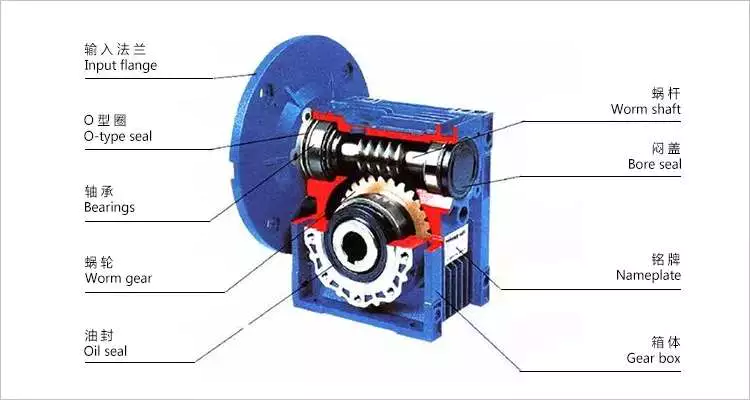
Worm gear reducer gearbox
Cheaper than planetary gearboxes In many cases, worm gear reducer gearboxes are a popular alternative to planetary gearboxes. A worm gear reducer gearbox is a mechanical device with vertical input and output shafts. This allows for very high reduction ratios. They are typically used in high-reduction situations such as machine tools.
Worm gears are cheaper than traditional gearboxes. They also have many benefits, including noise reduction. The output shaft of the worm gear reducer gearbox is almost 90 degrees from the motor input shaft, making it ideal for high-torque applications.
The worm gear reducer gearbox adopts an aluminum body, which is light in weight and high in operation efficiency. Additionally, they are available with hollow shafts and mounting flanges. In terms of initial cost, worm gear reducer gearboxes are cheaper than planetary gearboxes. In addition, they have better efficiency and longer service life.
Worm drives are also ideal for portable battery-powered lifting equipment. The high gear ratio of the worm gear ensures that it does not reverse drive. The worm gear has a spring-applied brake that holds the motor in place.
Planetary gearboxes are popular among industrial users. The efficiency of planetary gearboxes is important for practical applications.
The compact worm gear unit consists of a housing with an inner cavity. It has two side walls, one on either side of the front cover (13) and one on both sides of the rear cover (14). The front end cap is screwed onto the housing and the inner cavity is accessed through the rear end cap.
The compact worm gear unit can be configured to suit your application. They have many advantages, including saving space and increasing torque. The range includes single-envelope and double-envelope versions, available in a number of different power ratings. Additionally, they are IP65-rated, making them ideal for applications involving high radial or axial forces.
The compact worm reducer gearbox is a simple but effective worm drive. Its worm gear 16 meshes with the output shaft and rotates relatively stably. It also has a front-end cap and rear bearing. This enables the compact worm reducer gearbox to reduce vibration without damaging the output shaft.
Compact worm gear reducer gearboxes are ideal for many applications and offer high efficiency. The compact design means you can mount them on the motor’s flange or base. Its durable construction makes it ideal for a variety of industries. They are extremely durable and can handle high-pressure and washdown conditions. They also come standard with a synthetic shaft.
high efficiency
High-efficiency worm gear reducer gearboxes are ideal for applications that require precision, repeatability, and efficient performance. These reducer gearboxes are designed with state-of-the-art servo motor technology to provide tight integration and an angular backlash of less than two arc minutes. The reduction ratio can be lower if the application requires it.
Rising energy costs have led to an increased focus on the efficiency of drives. In response to this, manufacturers have increased the efficiency of worm gear reducer gearboxes through a number of technical improvements. By minimizing losses from rolling and sliding friction, worm gear reducer gearboxes are more efficient than their counterparts.
The high-efficiency worm reducer gearbox is simple in design and has the characteristics of a compact structure, high-speed ratio, low power consumption, and self-locking. Other advantages of these reducer gearboxes include low noise and long service life. Many also have built-in control systems that allow manual and remote adjustments. They also feature automatic shutdown protection and thermal protection.
High-efficiency worm reducer gearboxes can be used for mechanical acceleration. The input hypoid gear is usually made of steel, while the output hypoid gear is usually made of bronze. Bronze is a soft metal that is good at absorbing shock loads. However, bronze requires work hardening to achieve optimum hardness. For large worm gears, this process can take 300 to 550 hours.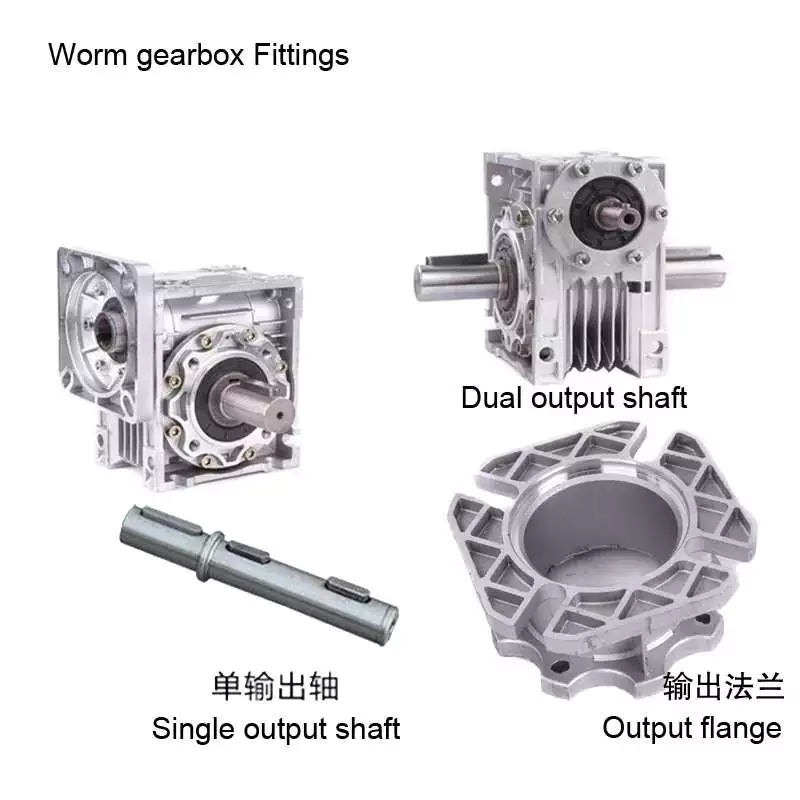
low clearance
A low-clearance worm reducer gearbox is a device used to adjust the speed of a rotating shaft. It uses a worm gear consisting of two members. One worm is at one end of the shaft and the other is at the other end. Both worms are screwed into the synchronous drive structure.
Low clearance worm gear reducer gearboxes can be produced on conventional worm gear production lines without overlapping investments. These units are usually made of soft rubber. Also, they are relatively quiet in operation. These machines are designed so that they are suitable for use in elevators. The softer material in the worm gear also helps absorb shock loads.
The tooth profile of the worm gear is designed to change with the axial movement of the worm. Worms have thinner right teeth and thicker left teeth. As the worm moves to the right, its teeth mesh with the worm gear, reducing backlash.
There are many different types of worm gears. The design of gears depends on many factors, including backlash, thermal design, friction factors and lubrication. Worm gears are made of several different materials. Some different types of materials used in worm gears require special lubrication.
quieter
The quieter worm reducer gearbox is designed to reduce the noise level of the rotating gear motor. The device has more gear teeth in meshing contact with the gears, which helps it run more quietly. In addition to being quieter than other transmissions, it’s also less expensive than its counterparts.
Worm gearboxes can be used for different applications, but they are not as efficient as helical gearboxes. Worm reducer gearboxes are cheaper but less than 90% efficient. Higher gear ratios reduce efficiency, so worm gear reducer gearboxes are better suited for applications that require low-speed torque. The cost of buying a worm gearbox will depend on the horsepower and gear ratios required.
Worm reducer gearboxes are also more comfortable to use than planetary gearboxes. They don’t vibrate and heat up quickly, making them an excellent choice for low to medium horsepower applications. Worm gear reducer gearboxes can be upgraded to improve their performance by combining with other gear trains or gearboxes.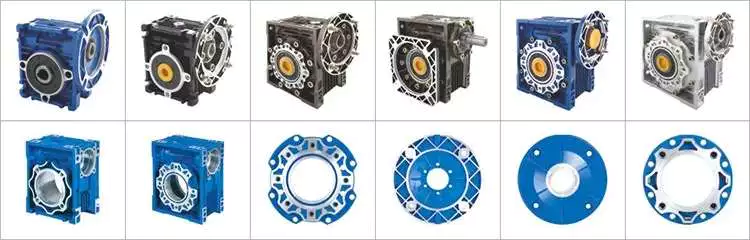
easy to replace
An easily replaceable worm gear reducer gearbox can save you a lot of money. A worm gear reducer gearbox is part of a chain drive and allows you to change gear ratios quickly and easily. Worm gear reducer gearboxes can be easily replaced in a number of ways. It’s a good idea to read the manufacturer’s manual before replacing a worm gear reducer gearbox. Make sure you have the instructions available so you can refer to them in the future.
Worm gear reducer gearboxes offer many advantages, including long service life and low noise. They are also designed with a 90-degree output shaft for easy installation. Another advantage of these gear reducer gearboxes is that they can be used with both solid and hollow output shafts. This means less maintenance and downtime.
Worm gear reducer gearboxes are widely used. Most gear manufacturers have large inventories. Worm gears also have uniform mounting dimensions. Dimensional consistency means you don’t have to worry about matching the shaft length and diameter to the worm gear. You can easily find a replacement worm gear reducer gearbox for your equipment.
When replacing the worm gear reducer gearbox, check the lubricating oil recommended by the machine. If not included, use original gear oil. Be sure to follow the manufacturer’s instructions carefully.
editor by Cx 2023-06-29
China 24V DC Worm Gearbox High Torque Motor 10Nm with Dual Shaft worm gearbox assembly
Error:获取返回内容失败,
Your session has expired. Please reauthenticate.
Worm gear reducer gearbox
Cheaper than planetary gearboxes In many cases, worm gear reducer gearboxes are a popular alternative to planetary gearboxes. A worm gear reducer gearbox is a mechanical device with vertical input and output shafts. This allows for very high reduction ratios. They are typically used in high-reduction situations such as machine tools.
Worm gears are cheaper than traditional gearboxes. They also have many benefits, including noise reduction. The output shaft of the worm gear reducer gearbox is almost 90 degrees from the motor input shaft, making it ideal for high-torque applications.
The worm gear reducer gearbox adopts an aluminum body, which is light in weight and high in operation efficiency. Additionally, they are available with hollow shafts and mounting flanges. In terms of initial cost, worm gear reducer gearboxes are cheaper than planetary gearboxes. In addition, they have better efficiency and longer service life.
Worm drives are also ideal for portable battery-powered lifting equipment. The high gear ratio of the worm gear ensures that it does not reverse drive. The worm gear has a spring-applied brake that holds the motor in place.
Planetary gearboxes are popular among industrial users. The efficiency of planetary gearboxes is important for practical applications.
The compact worm gear unit consists of a housing with an inner cavity. It has two side walls, one on either side of the front cover (13) and one on both sides of the rear cover (14). The front end cap is screwed onto the housing and the inner cavity is accessed through the rear end cap.
The compact worm gear unit can be configured to suit your application. They have many advantages, including saving space and increasing torque. The range includes single-envelope and double-envelope versions, available in a number of different power ratings. Additionally, they are IP65-rated, making them ideal for applications involving high radial or axial forces.
The compact worm reducer gearbox is a simple but effective worm drive. Its worm gear 16 meshes with the output shaft and rotates relatively stably. It also has a front-end cap and rear bearing. This enables the compact worm reducer gearbox to reduce vibration without damaging the output shaft.
Compact worm gear reducer gearboxes are ideal for many applications and offer high efficiency. The compact design means you can mount them on the motor’s flange or base. Its durable construction makes it ideal for a variety of industries. They are extremely durable and can handle high-pressure and washdown conditions. They also come standard with a synthetic shaft.
high efficiency
High-efficiency worm gear reducer gearboxes are ideal for applications that require precision, repeatability, and efficient performance. These reducer gearboxes are designed with state-of-the-art servo motor technology to provide tight integration and an angular backlash of less than two arc minutes. The reduction ratio can be lower if the application requires it.
Rising energy costs have led to an increased focus on the efficiency of drives. In response to this, manufacturers have increased the efficiency of worm gear reducer gearboxes through a number of technical improvements. By minimizing losses from rolling and sliding friction, worm gear reducer gearboxes are more efficient than their counterparts.
The high-efficiency worm reducer gearbox is simple in design and has the characteristics of a compact structure, high-speed ratio, low power consumption, and self-locking. Other advantages of these reducer gearboxes include low noise and long service life. Many also have built-in control systems that allow manual and remote adjustments. They also feature automatic shutdown protection and thermal protection.
High-efficiency worm reducer gearboxes can be used for mechanical acceleration. The input hypoid gear is usually made of steel, while the output hypoid gear is usually made of bronze. Bronze is a soft metal that is good at absorbing shock loads. However, bronze requires work hardening to achieve optimum hardness. For large worm gears, this process can take 300 to 550 hours.
low clearance
A low-clearance worm reducer gearbox is a device used to adjust the speed of a rotating shaft. It uses a worm gear consisting of two members. One worm is at one end of the shaft and the other is at the other end. Both worms are screwed into the synchronous drive structure.
Low clearance worm gear reducer gearboxes can be produced on conventional worm gear production lines without overlapping investments. These units are usually made of soft rubber. Also, they are relatively quiet in operation. These machines are designed so that they are suitable for use in elevators. The softer material in the worm gear also helps absorb shock loads.
The tooth profile of the worm gear is designed to change with the axial movement of the worm. Worms have thinner right teeth and thicker left teeth. As the worm moves to the right, its teeth mesh with the worm gear, reducing backlash.
There are many different types of worm gears. The design of gears depends on many factors, including backlash, thermal design, friction factors and lubrication. Worm gears are made of several different materials. Some different types of materials used in worm gears require special lubrication.
quieter
The quieter worm reducer gearbox is designed to reduce the noise level of the rotating gear motor. The device has more gear teeth in meshing contact with the gears, which helps it run more quietly. In addition to being quieter than other transmissions, it’s also less expensive than its counterparts.
Worm gearboxes can be used for different applications, but they are not as efficient as helical gearboxes. Worm reducer gearboxes are cheaper but less than 90% efficient. Higher gear ratios reduce efficiency, so worm gear reducer gearboxes are better suited for applications that require low-speed torque. The cost of buying a worm gearbox will depend on the horsepower and gear ratios required.
Worm reducer gearboxes are also more comfortable to use than planetary gearboxes. They don’t vibrate and heat up quickly, making them an excellent choice for low to medium horsepower applications. Worm gear reducer gearboxes can be upgraded to improve their performance by combining with other gear trains or gearboxes.
easy to replace
An easily replaceable worm gear reducer gearbox can save you a lot of money. A worm gear reducer gearbox is part of a chain drive and allows you to change gear ratios quickly and easily. Worm gear reducer gearboxes can be easily replaced in a number of ways. It’s a good idea to read the manufacturer’s manual before replacing a worm gear reducer gearbox. Make sure you have the instructions available so you can refer to them in the future.
Worm gear reducer gearboxes offer many advantages, including long service life and low noise. They are also designed with a 90-degree output shaft for easy installation. Another advantage of these gear reducer gearboxes is that they can be used with both solid and hollow output shafts. This means less maintenance and downtime.
Worm gear reducer gearboxes are widely used. Most gear manufacturers have large inventories. Worm gears also have uniform mounting dimensions. Dimensional consistency means you don’t have to worry about matching the shaft length and diameter to the worm gear. You can easily find a replacement worm gear reducer gearbox for your equipment.
When replacing the worm gear reducer gearbox, check the lubricating oil recommended by the machine. If not included, use original gear oil. Be sure to follow the manufacturer’s instructions carefully.
editor by Cx 2023-06-28