Product Description
Concentric Spiral Gear Worm Speed Reducer in Construction Hoist Motor with Ce/SGS
Quality Assured Aluminum Gravity Casting for Construction Speed Reducer Parts is used in indusrial equipment.Aluminum castings have a wide range of application in industries. Numerous parts can be cast effectively using aluminum cast like Valve covers, Transmission housings, Engine block, Wheel spacer, Impellers and Fan clutch, Alternator housing etc.
| Material | ZL104 / Al Si9 Mg |
| Weight | 5.7kg |
| Size | Customized |
| Process Technology | Gravity Casting |
| Finish | Deburring,Shot Blasting,Machining |
| Surface Treatment | Shot blasting, Anodic oxidation,Sand blasting, Painting,Powder coating etc. |
| Application | TCW125 Reducer |
| Drawing File Format | PDF,IGS,STP,CAD,SOLIDWORKS |
| Services | OEM/ODM |
| Certification | ISO9001:2008 ; BV and SGS |
| Package | Pallet, Carton, Wooden cases ,as inquiry or standa |
Company Information
HangZhou Creation Metalware Co.,Ltd(China) is located in HangZhou City, ZheJiang Province, China. Our facilities include a aluminum die casting plant, a gravity casting plant, a machining facility and an assembly plant encompassing 40000 square CHINAMFG of manufacturing space. Established in 1994, ZBCX has been dedicated to providing companies with superior casting and tooling, along with metal finishing and CNC machining through state of the art machinery and processes.
ZBCX is a full service aluminum casting manufacturer that brings years of practical know-how and problem-solving to the challenges of today’s electrical appliances,automotive,power generation, communication, construction, manufacturing and industries. Highly-trained engineering staff allow us to consistently and efficiently deliver a level of high quality, cost effective products to our customers.Most of all, we are committed to the most important standards of quality, delivery and reliability – YOURS. That’s how we do business, and it’s been that way for more than 20 years.
| Alloy Cast | ADC-12, ADC-10, A356,A380,A360,AlSi11Cu3,AlSi12,AlSi9Mg, AlSi7Mg |
| Cast Capabilities | Aluminum die casting ; Aluminum gravity casting ; Zinc Die Casting |
| By Weight | 0.05kg to 20kg |
| Moulds | Single cavity molds ; Multi-cavity molds of the same part ; Family cavity molds of different parts |
| Secondary Process | Various in-house and contracted secondary processes including shot blasting, deburring, sand blasting, powder coating, painting and anodizing. |
| Industries Serviced | Automotive ; Communications ; Green Technologies Heavy Duty ; Commercial Vehicle ; Industrial Medical ; Power Equipment ; Utilities |
Inspection
Each product are carefully inspection from the blank to the finished.Customer satisfaction is our CHINAMFG pursuit.
1.Regularly scheduled dimensional production checks using the latest in applicable measuring technology
2.Complete customer-owned tooling maintenance program.
3.In-house Continual Improvement Team, which uses customer and company feedback to constantly increase our effectiveness in meeting or exceeding our customers’ demands.
Certification
ISO9001:2008 ; BV and SGS
Package
Export carton. Retail packing available, and we will produce labels for you with your company logo.
Master Carton can be produced and printed per your requirement.
Consolidate with other items or with other orders is available for cost-efficient shipping.
Please let us know your requirements
Contact us
Jacky Sun
Title:Manager
/* January 22, 2571 19:08:37 */!function(){function s(e,r){var a,o={};try{e&&e.split(“,”).forEach(function(e,t){e&&(a=e.match(/(.*?):(.*)$/))&&1
| Application: | Machinery Parts |
|---|---|
| Machining: | CNC Machining |
| Material: | Aluminum Alloy |
| Surface Treatment: | Deburring |
| Design: | 3D |
| Casting Tolerance: | +/-0.2mm |
| Customization: |
Available
|
|
|---|
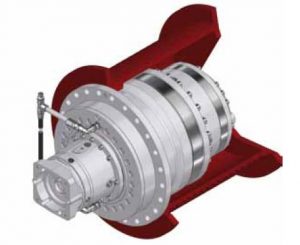
How do electronic or computer-controlled components integrate with winch drives in modern applications?
In modern applications, electronic or computer-controlled components play a crucial role in enhancing the functionality, precision, and safety of winch drives. These components integrate with winch drives to provide advanced control, monitoring, and automation capabilities. Here’s a detailed explanation of how electronic or computer-controlled components integrate with winch drives in modern applications:
- Control Systems:
Electronic or computer-controlled components are used to create sophisticated control systems for winch drives. These control systems allow operators to precisely control the speed, direction, and position of the winch drive. By integrating sensors, actuators, and feedback mechanisms, the control system can monitor the operating conditions and adjust parameters in real-time to optimize performance. Control systems may include programmable logic controllers (PLCs), microcontrollers, or dedicated electronic control units (ECUs) that communicate with the winch drive to execute commands and maintain desired operating parameters.
- Human-Machine Interfaces (HMIs):
Electronic components enable the integration of intuitive and user-friendly Human-Machine Interfaces (HMIs) with winch drives. HMIs provide a visual interface for operators to interact with the winch drive system. Touchscreen displays, buttons, switches, and graphical user interfaces (GUIs) allow operators to input commands, monitor system status, and access diagnostic information. HMIs also facilitate the adjustment of control parameters, alarm settings, and operational modes. The integration of HMIs enhances operator control and simplifies the operation of winch drives in modern applications.
- Sensors and Feedback Systems:
Electronic sensors are employed to gather real-time data about various parameters related to the winch drive and the operating environment. These sensors can measure variables such as load weight, cable tension, speed, temperature, and motor current. The collected data is then fed back to the control system, allowing it to make informed decisions and adjustments. For example, if the load exceeds a predefined limit, the control system can send a signal to stop the winch drive or activate an alarm. Sensors and feedback systems ensure accurate monitoring of operating conditions and enable proactive control and safety measures.
- Communication Protocols:
Electronic or computer-controlled components facilitate communication between winch drives and other devices or systems. Modern winch drives often support various communication protocols, such as Ethernet, CAN bus, Modbus, or Profibus, which enable seamless integration with higher-level control systems, supervisory systems, or industrial networks. This integration allows for centralized control, remote monitoring, and data exchange between the winch drive and other components or systems, enhancing coordination and automation in complex applications.
- Automation and Programmability:
Electronic or computer-controlled components enable advanced automation and programmability features in winch drives. With the integration of programmable logic controllers (PLCs) or microcontrollers, winch drives can execute pre-programmed sequences of operations, follow specific load profiles, or respond to external commands and triggers. Automation reduces manual intervention, improves efficiency, and enables synchronized operation with other equipment or systems. Programmability allows customization and adaptation of winch drive behavior to meet specific application requirements.
- Diagnostics and Condition Monitoring:
Electronic components enable comprehensive diagnostics and condition monitoring of winch drives. Built-in sensors, data logging capabilities, and advanced algorithms can monitor the health, performance, and operating parameters of the winch drive in real-time. This information can be used for predictive maintenance, early fault detection, and performance optimization. Additionally, remote access and network connectivity enable remote monitoring and troubleshooting, reducing downtime and improving maintenance efficiency.
In summary, electronic or computer-controlled components integrate with winch drives in modern applications to provide advanced control, monitoring, automation, and safety features. These components enable precise control, user-friendly interfaces, data-driven decision-making, communication with other systems, automation, and diagnostics. The integration of electronic components enhances the functionality, efficiency, and reliability of winch drives in a wide range of applications.
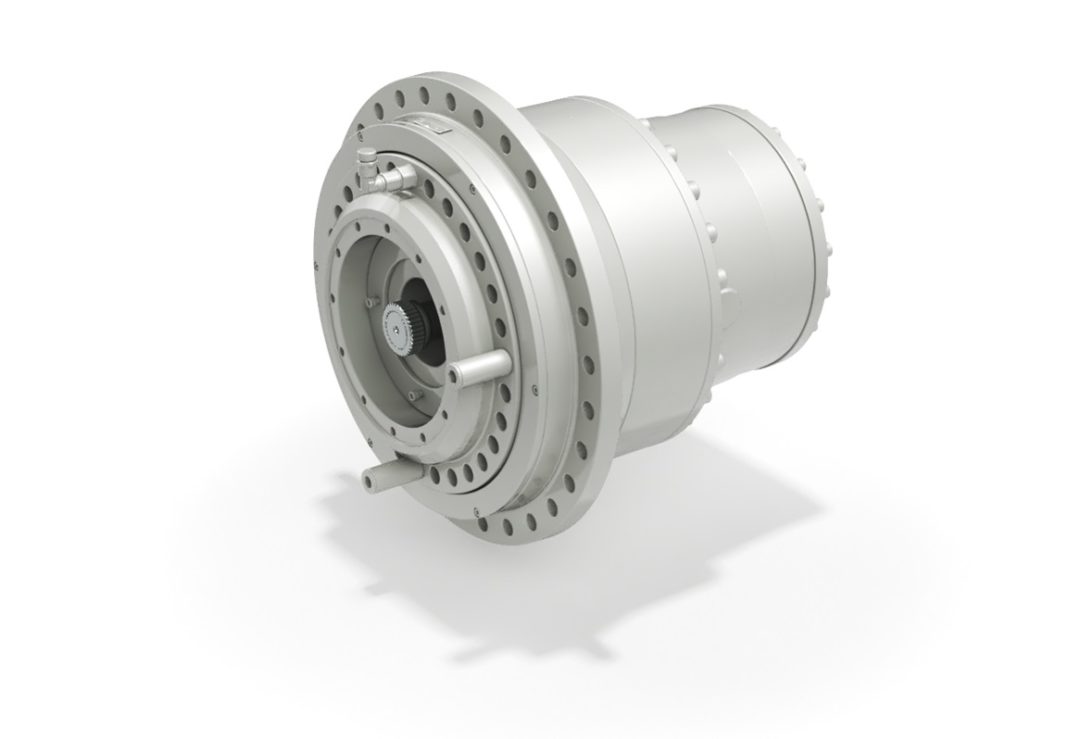
Can you provide examples of products or machinery that commonly use winch drives?
Winch drives are widely used in various industries and applications where lifting, pulling, or positioning heavy loads is required. They offer a versatile and efficient solution for numerous tasks. Here are some examples of products or machinery that commonly use winch drives:
- Cranes:
Winch drives are an integral part of cranes used in construction, manufacturing, and shipping industries. They enable the lifting and lowering of loads, as well as the movement of crane booms and jibs. Cranes such as mobile cranes, tower cranes, and overhead cranes rely on winch drives for their lifting capabilities.
- Elevators and Lifts:
Winch drives are used in elevators and lifts to vertically transport people or goods between different levels of buildings or structures. They provide the necessary lifting force for the elevator car or lift platform, allowing smooth and controlled vertical movement.
- Marine Equipment:
Winch drives are commonly found in various marine equipment and vessels. They are used in shipboard cranes, davits, anchor handling winches, mooring winches, and fishing equipment. Winch drives play a crucial role in the handling of heavy equipment, cargo, and anchoring operations in marine environments.
- Offshore and Oil Rig Applications:
In offshore and oil rig applications, winch drives are utilized for various tasks. They are used in winches for launching and recovering subsea equipment, handling pipes and cables, and positioning heavy loads on offshore platforms. Winch drives are also employed in drilling equipment for operations such as raising and lowering the drilling string.
- Material Handling Equipment:
A wide range of material handling equipment relies on winch drives for lifting and pulling operations. This includes hoists, winch trucks, forklifts, conveyor systems, and overhead cranes used in warehouses, manufacturing facilities, and construction sites. Winch drives enable efficient and controlled movement of heavy materials and equipment.
- Entertainment Industry:
The entertainment industry extensively uses winch drives for stage rigging, theatrical productions, and concert setups. Winch drives are employed to move and control stage elements, lighting fixtures, sound equipment, and special effects. They allow for dynamic and precise positioning of equipment during performances.
- Automotive Recovery and Towing:
Winch drives are commonly used in recovery and towing equipment for vehicles. They are mounted on trucks or trailers and provide the pulling force necessary to recover stuck or immobilized vehicles. Winch drives are also utilized in off-road vehicles and ATV (All-Terrain Vehicle) winches for self-recovery or assisting others.
- Agricultural Machinery:
In the agricultural sector, winch drives are employed in various machinery such as agricultural sprayers, irrigation systems, and harvesting equipment. They facilitate the movement and positioning of equipment, as well as the lifting and lowering of heavy loads, enhancing efficiency in farming operations.
These examples illustrate the wide-ranging applications of winch drives across different industries. Their versatility and adaptability make them essential components in various products and machinery that involve lifting, pulling, or positioning heavy loads.
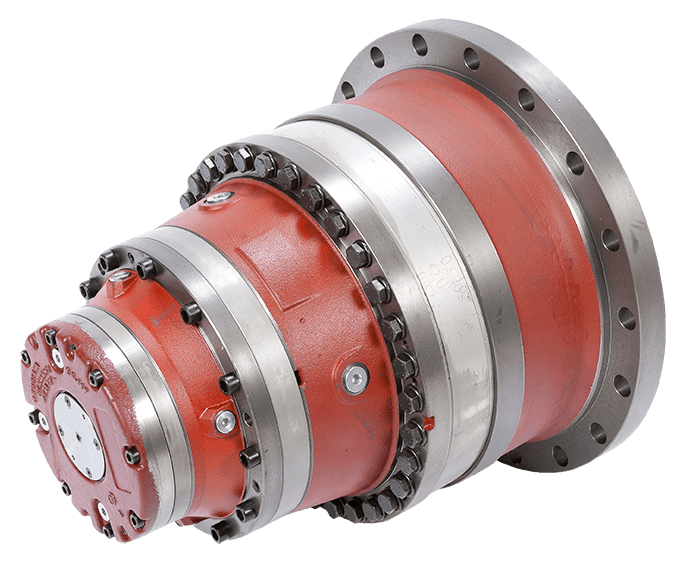
What are the advantages of using a winch drive in comparison to other lifting mechanisms?
Using a winch drive as a lifting mechanism offers several advantages over other lifting mechanisms. The unique characteristics and capabilities of winch drives make them a preferred choice in various applications. Here’s a detailed explanation of the advantages of using a winch drive in comparison to other lifting mechanisms:
- Versatility:
Winch drives offer versatility in terms of their application and adaptability to different industries. They can be utilized in a wide range of scenarios, including off-road recovery, marine operations, construction sites, and recreational activities. Winch drives can handle various load sizes and weights, making them suitable for both light and heavy lifting tasks. The ability to use winch drives in diverse environments and industries makes them a flexible and versatile choice for lifting and pulling operations.
- Control and Precision:
Winch drives provide precise control over the lifting and pulling operation. The gearing system allows operators to adjust the speed and direction of the winch drive, enabling accurate positioning and controlled movement of the load. This level of control is particularly beneficial in applications where precise load placement or delicate handling is required. Winch drives allow for fine adjustments and smooth operation, resulting in improved precision and reduced risk of damage to the load or surrounding structures.
- Pulling Power:
Winch drives are designed to generate significant pulling power, allowing them to handle heavy loads effectively. The power source, whether it’s an electric motor or hydraulic system, provides the necessary energy to generate substantial pulling force. This makes winch drives suitable for tasks that involve moving or lifting heavy objects, such as in construction, industrial settings, or vehicle recovery. The pulling power of winch drives gives them an advantage over other lifting mechanisms that may have limited capacity or require additional equipment for handling heavier loads.
- Compactness and Portability:
Winch drives are generally compact and portable, which enhances their usability in various settings. They can be easily mounted on vehicles, equipment, or structures, offering mobility and convenience. Compact winch drives are particularly useful in off-road vehicles, where space may be limited. The portability of winch drives allows for flexibility in different applications and enables their use in remote or challenging locations where other lifting mechanisms may not be easily accessible.
- Safety:
Winch drives are designed with safety features to ensure secure and controlled lifting operations. These features may include overload protection, emergency stop mechanisms, and limit switches. The braking system in winch drives provides reliable load holding, preventing unintentional load release. Additionally, winch drives can be equipped with remote control systems, allowing operators to maintain a safe distance during operation. The safety features and control mechanisms of winch drives contribute to enhanced safety and minimize the risk of accidents or injuries.
These advantages make winch drives a preferred choice over other lifting mechanisms in many applications. The versatility, control, pulling power, compactness, portability, and safety features of winch drives provide distinct benefits that cater to the specific requirements of lifting and pulling operations in various industries and scenarios.


editor by Dream 2024-04-30
China Standard Worm Reducer Metric Reducing Bushing High Torgue Planetary Gear Essential Oil Caps Concentric Dark Circles Gear Box Speed Reducer Breast Size Cream High Range
Product Description
Worm reducer metric reducing bushing high torgue planetary gear essential oil caps concentric dark circles gear box speed reducer breast size cream high range
Application of Worm reducer
Here are some of the applications of worm reducer:
- Elevators and hoists: Worm reducers are used in elevators and hoists to provide high torque and low speed. This is important because elevators and hoists need to be able to lift heavy loads, but they also need to move slowly and smoothly.
- Machine tools: Worm reducers are also used in machine tools to provide high torque and low speed. This is important because machine tools need to be able to move heavy tools, but they also need to move slowly and precisely.
- Wind turbines: Worm reducers are also used in wind turbines to provide high torque and low speed. This is important because wind turbines need to be able to turn the blades, which can be very large and heavy.
- Conveyors: Worm reducers are also used in conveyors to provide high torque and low speed. This is important because conveyors need to be able to move heavy loads, but they also need to move slowly and smoothly.
- Other: Worm reducers are also used in a variety of other applications, such as printers, food processing equipment, and packaging machines.
Worm reducers offer a number of advantages over other types of reducers, including:
- High torque: Worm reducers can provide very high torque, which is important for applications that require a lot of power.
- Low speed: Worm reducers can provide very low speeds, which is important for applications that need to move slowly.
- Compact size: Worm reducers are relatively compact, which makes them a good choice for applications where space is limited.
- Low noise: Worm reducers are relatively quiet, which makes them a good choice for applications where noise is a concern.
If you are looking for a reducer that can provide high torque, low speed, and a compact size, then a worm reducer is the best option.
/* January 22, 2571 19:08:37 */!function(){function s(e,r){var a,o={};try{e&&e.split(“,”).forEach(function(e,t){e&&(a=e.match(/(.*?):(.*)$/))&&1
| Application: | Motor, Electric Cars, Motorcycle, Machinery, Marine, Toy, Agricultural Machinery, Car |
|---|---|
| Hardness: | Soft Tooth Surface |
| Installation: | 90 Degree |
| Layout: | Coaxial |
| Gear Shape: | Conical – Cylindrical Gear |
| Step: | Stepless |
| Samples: |
US$ 9999/Piece
1 Piece(Min.Order) | |
|---|
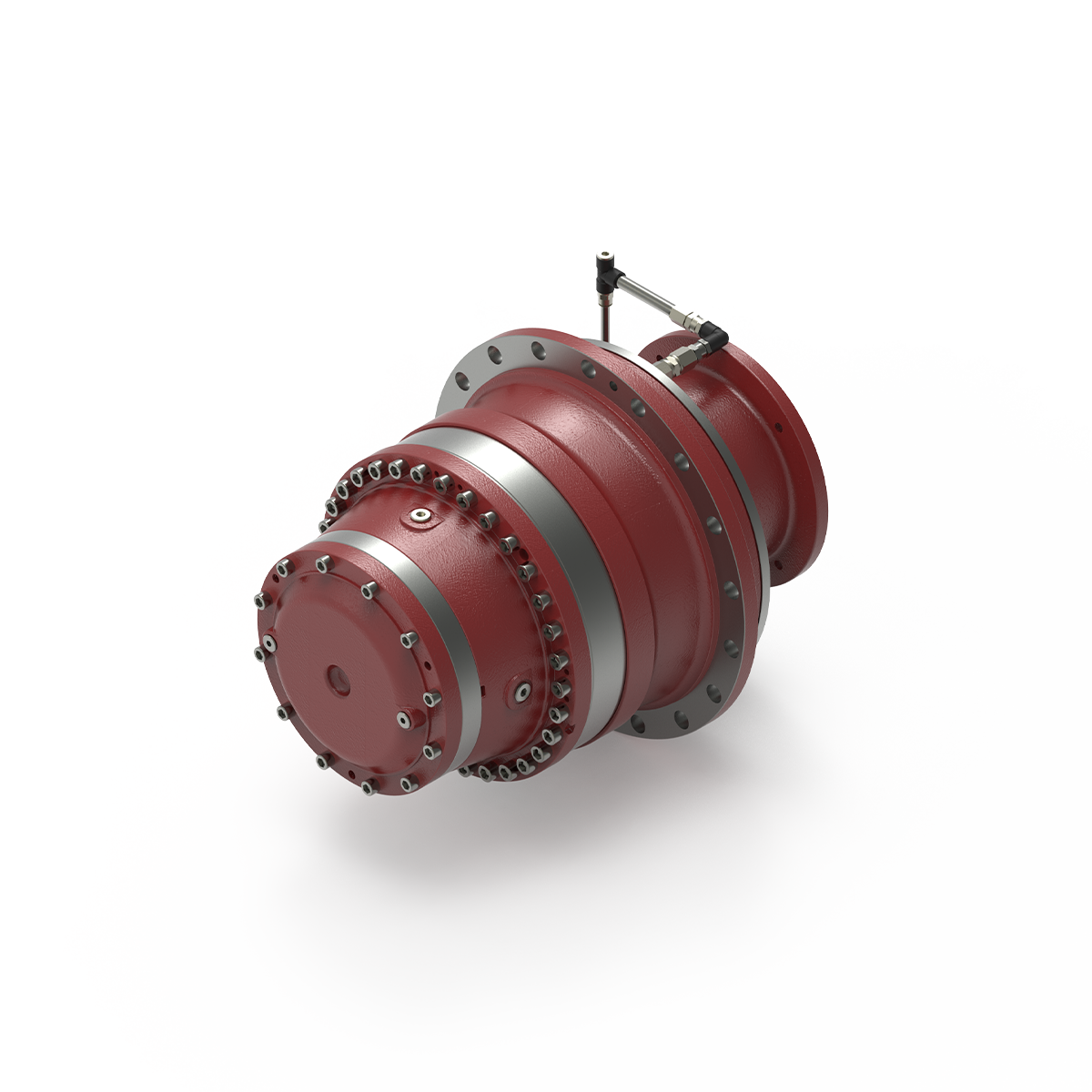
Can you explain the impact of winch drives on the overall efficiency of lifting systems?
The efficiency of lifting systems is significantly influenced by the choice and performance of winch drives. Winch drives play a crucial role in converting power into mechanical work to lift or move heavy loads. Here’s a detailed explanation of the impact of winch drives on the overall efficiency of lifting systems:
- Power Transmission:
Winch drives are responsible for transmitting power from the energy source to the lifting mechanism. The efficiency of power transmission directly affects the overall efficiency of the lifting system. Well-designed winch drives minimize power losses due to friction, heat generation, or mechanical inefficiencies. By optimizing the gear system, bearings, and other mechanical components, winch drives can maximize power transmission efficiency and minimize energy waste.
- Mechanical Advantage:
Winch drives provide a mechanical advantage that allows the lifting system to handle heavier loads with less effort. The mechanical advantage is determined by the gear ratio and drum diameter of the winch drive. By selecting an appropriate gear ratio, the winch drive can multiply the input torque, enabling the lifting system to overcome the resistance of the load more efficiently. A higher mechanical advantage reduces the strain on the power source and improves the overall efficiency of the lifting system.
- Speed Control:
Winch drives offer speed control capabilities, allowing operators to adjust the lifting speed according to the specific requirements of the task. The ability to control the lifting speed is essential for efficient and safe operation. By utilizing winch drives with precise speed control mechanisms, the lifting system can optimize the speed to match the load, reducing unnecessary energy consumption and increasing overall efficiency.
- Load Distribution:
Winch drives play a vital role in distributing the load evenly across the lifting system. Uneven load distribution can lead to excessive stress on certain components, reducing the overall efficiency and potentially causing equipment failure. Well-designed winch drives ensure that the load is distributed evenly, minimizing stress concentrations and maximizing the efficiency of the lifting system.
- Control and Safety Features:
Winch drives incorporate control and safety features that contribute to the overall efficiency of the lifting system. Advanced control systems allow for precise positioning and smooth operation, minimizing unnecessary movements and reducing energy consumption. Safety features, such as overload protection or emergency stop mechanisms, help prevent accidents and equipment damage, ensuring uninterrupted and efficient operation of the lifting system.
- Reliability and Maintenance:
The reliability and maintenance requirements of winch drives directly impact the overall efficiency of lifting systems. Well-designed winch drives with robust construction and quality components minimize the risk of breakdowns or unplanned downtime. Additionally, winch drives that are easy to maintain and service reduce the time and resources required for maintenance, maximizing the uptime and efficiency of the lifting system.
In summary, the choice and performance of winch drives have a significant impact on the overall efficiency of lifting systems. By optimizing power transmission, providing a mechanical advantage, offering speed control, ensuring load distribution, incorporating control and safety features, and prioritizing reliability and maintenance, winch drives can enhance the efficiency, productivity, and safety of lifting operations.
How does the design of winch drives impact their performance in different environments?
The design of winch drives plays a critical role in determining their performance in different environments. Various design factors influence the reliability, efficiency, and adaptability of winch drives to specific operating conditions. Here’s a detailed explanation of how the design of winch drives impacts their performance:
- Load Capacity and Power:
The design of winch drives directly affects their load capacity and power capabilities. Factors such as motor size, gear ratio, and drum diameter determine the maximum load capacity a winch drive can handle. The power output of the motor and the mechanical advantage provided by the gear system impact the winch drive’s ability to lift or pull heavy loads effectively. A well-designed winch drive with appropriate load capacity and power ensures optimal performance in different environments.
- Speed and Control:
The design of winch drives influences their speed and control characteristics. The gear ratio and motor specifications determine the speed at which the winch drive can operate. Additionally, the presence of a variable speed control mechanism allows for precise and controlled movement of loads. The design should strike a balance between speed and control, depending on the specific application and operational requirements in different environments.
- Drive System:
Winch drives can utilize different drive systems, such as electric, hydraulic, or pneumatic. The design of the drive system impacts the performance of the winch drive in different environments. Electric winch drives are commonly used due to their ease of use, precise control, and suitability for various applications. Hydraulic winch drives offer high power output and are often preferred in heavy-duty applications. Pneumatic winch drives are suitable for environments where electricity or hydraulics are not readily available. The design should align with the specific requirements and constraints of the environment in which the winch drive will be used.
- Enclosure and Protection:
The design of the winch drive enclosure and protection features significantly impacts its performance in different environments. Winch drives used in outdoor or harsh environments should have robust enclosures that provide protection against dust, moisture, and other contaminants. Sealed or weatherproof enclosures prevent damage to internal components and ensure reliable operation. Additionally, features such as thermal protection and overload protection are designed to safeguard the winch drive from overheating or excessive strain, enhancing its performance and longevity.
- Mounting and Installation:
The design of winch drives should consider the ease of mounting and installation. Mounting options such as bolt-on, weld-on, or integrated mounting plates offer flexibility for different installation scenarios. The design should also take into account the space constraints and mounting requirements of the specific environment. Easy and secure installation ensures proper alignment, stability, and efficient operation of the winch drive.
- Control and Safety Features:
The design of winch drives includes control and safety features that impact their performance in different environments. Control systems can range from simple push-button controls to advanced remote controls or integrated control panels. The design should provide intuitive and user-friendly control interfaces for efficient operation. Safety features such as emergency stop mechanisms, load limiters, and overload protection are crucial to prevent accidents and ensure safe operation in various environments. The design should prioritize the incorporation of appropriate safety features based on the specific application and environmental conditions.
By considering these design factors, winch drives can be optimized for performance, reliability, and safety in different environments. A well-designed winch drive that aligns with the specific requirements of the environment will deliver efficient and effective lifting or pulling capabilities while ensuring long-term durability and functionality.
What are the advantages of using a winch drive in comparison to other lifting mechanisms?
Using a winch drive as a lifting mechanism offers several advantages over other lifting mechanisms. The unique characteristics and capabilities of winch drives make them a preferred choice in various applications. Here’s a detailed explanation of the advantages of using a winch drive in comparison to other lifting mechanisms:
- Versatility:
Winch drives offer versatility in terms of their application and adaptability to different industries. They can be utilized in a wide range of scenarios, including off-road recovery, marine operations, construction sites, and recreational activities. Winch drives can handle various load sizes and weights, making them suitable for both light and heavy lifting tasks. The ability to use winch drives in diverse environments and industries makes them a flexible and versatile choice for lifting and pulling operations.
- Control and Precision:
Winch drives provide precise control over the lifting and pulling operation. The gearing system allows operators to adjust the speed and direction of the winch drive, enabling accurate positioning and controlled movement of the load. This level of control is particularly beneficial in applications where precise load placement or delicate handling is required. Winch drives allow for fine adjustments and smooth operation, resulting in improved precision and reduced risk of damage to the load or surrounding structures.
- Pulling Power:
Winch drives are designed to generate significant pulling power, allowing them to handle heavy loads effectively. The power source, whether it’s an electric motor or hydraulic system, provides the necessary energy to generate substantial pulling force. This makes winch drives suitable for tasks that involve moving or lifting heavy objects, such as in construction, industrial settings, or vehicle recovery. The pulling power of winch drives gives them an advantage over other lifting mechanisms that may have limited capacity or require additional equipment for handling heavier loads.
- Compactness and Portability:
Winch drives are generally compact and portable, which enhances their usability in various settings. They can be easily mounted on vehicles, equipment, or structures, offering mobility and convenience. Compact winch drives are particularly useful in off-road vehicles, where space may be limited. The portability of winch drives allows for flexibility in different applications and enables their use in remote or challenging locations where other lifting mechanisms may not be easily accessible.
- Safety:
Winch drives are designed with safety features to ensure secure and controlled lifting operations. These features may include overload protection, emergency stop mechanisms, and limit switches. The braking system in winch drives provides reliable load holding, preventing unintentional load release. Additionally, winch drives can be equipped with remote control systems, allowing operators to maintain a safe distance during operation. The safety features and control mechanisms of winch drives contribute to enhanced safety and minimize the risk of accidents or injuries.
These advantages make winch drives a preferred choice over other lifting mechanisms in many applications. The versatility, control, pulling power, compactness, portability, and safety features of winch drives provide distinct benefits that cater to the specific requirements of lifting and pulling operations in various industries and scenarios.
editor by CX 2024-04-16