Product Description
Product Description
1. Made of high quality aluminum alloy, light in weight and non-rusting
2. Large in output torque
3. Smooth in running and low in noise, can work long time in dreadful conditions
4. High in radiating efficiency
5. Good looking in appearance, durable in service life and small in vo
/* January 22, 2571 19:08:37 */!function(){function s(e,r){var a,o={};try{e&&e.split(“,”).forEach(function(e,t){e&&(a=e.match(/(.*?):(.*)$/))&&1
| Application: | Electric Cars |
|---|---|
| Hardness: | Soft Tooth Surface |
| Installation: | 90 Degree |
| Layout: | Shunting |
| Gear Shape: | Conical – Cylindrical Gear |
| Step: | Three-Step |
| Customization: |
Available
|
|
|---|
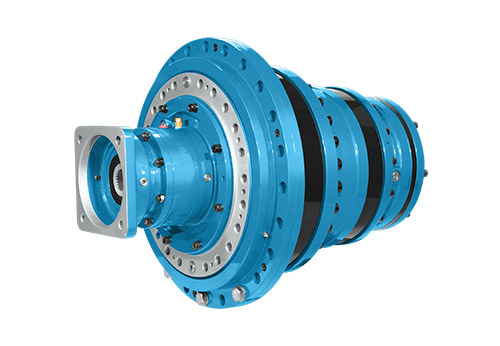
Are there innovations or advancements in winch drive technology that have emerged recently?
In recent years, there have been notable innovations and advancements in winch drive technology that have improved performance, efficiency, and safety. Here’s a detailed explanation of some of the recent innovations and advancements in winch drive technology:
- Smart and Connected Winch Drives:
One of the significant advancements in winch drive technology is the integration of smart and connected features. Winch drives are now equipped with sensors, communication capabilities, and data processing capabilities, allowing them to be part of the Internet of Things (IoT) ecosystem. These smart winch drives can collect and analyze data in real-time, enabling remote monitoring, predictive maintenance, and performance optimization. They can communicate with other devices and systems, facilitating integration into larger control networks and automation systems.
- High-Efficiency Motor Technology:
Advancements in motor technology have contributed to higher efficiency in winch drives. Brushless DC (BLDC) motors and energy-efficient AC motors are becoming more prevalent in modern winch drives. These motors offer improved power density, higher torque-to-weight ratio, and better overall energy efficiency compared to traditional brushed motors. Additionally, advancements in motor control algorithms and variable frequency drive (VFD) technology allow for precise control and optimization of motor performance, resulting in increased efficiency and reduced energy consumption.
- Regenerative Braking:
Regenerative braking is a recent innovation in winch drive technology that improves energy efficiency. When a winch drive applies braking force to control the descent of a load, regenerative braking allows the drive to convert the braking energy into electrical energy. This electrical energy can be fed back into the power supply or stored in batteries for later use. By recovering and reusing energy that would otherwise be wasted as heat, regenerative braking reduces overall energy consumption and increases the efficiency of winch drives.
- Advanced Control and Safety Systems:
Winch drives now incorporate advanced control and safety systems that enhance their performance and safety. These systems utilize advanced algorithms, real-time data processing, and precise feedback control to optimize the operation of winch drives. They offer features such as load monitoring, automatic load balancing, anti-sway control, and intelligent speed control. Additionally, safety features like emergency stop functions, overload protection, and fault diagnostics are integrated to ensure safe operation and prevent equipment damage or accidents.
- Improved Materials and Construction:
Advancements in materials and construction techniques have also contributed to the development of more efficient and durable winch drives. The use of lightweight and high-strength materials, such as advanced alloys and composites, improves the power-to-weight ratio of winch drives. Precision machining and advanced manufacturing processes enhance the overall reliability and performance of winch drive components. These advancements result in winch drives that are more compact, reliable, and capable of handling higher loads while maintaining efficiency.
- Intuitive User Interfaces:
Recent innovations in winch drive technology have focused on improving user interfaces and operator experience. Intuitive touchscreens, graphical user interfaces (GUIs), and ergonomic control panels provide operators with easy-to-use interfaces for monitoring and controlling winch drives. These user interfaces offer real-time feedback, visualizations, and diagnostic information, making it easier for operators to operate winch drives safely and efficiently.
In summary, recent years have seen significant innovations and advancements in winch drive technology. The integration of smart and connected features, high-efficiency motor technology, regenerative braking, advanced control and safety systems, improved materials and construction, and intuitive user interfaces have all contributed to improved performance, efficiency, and safety in winch drives.
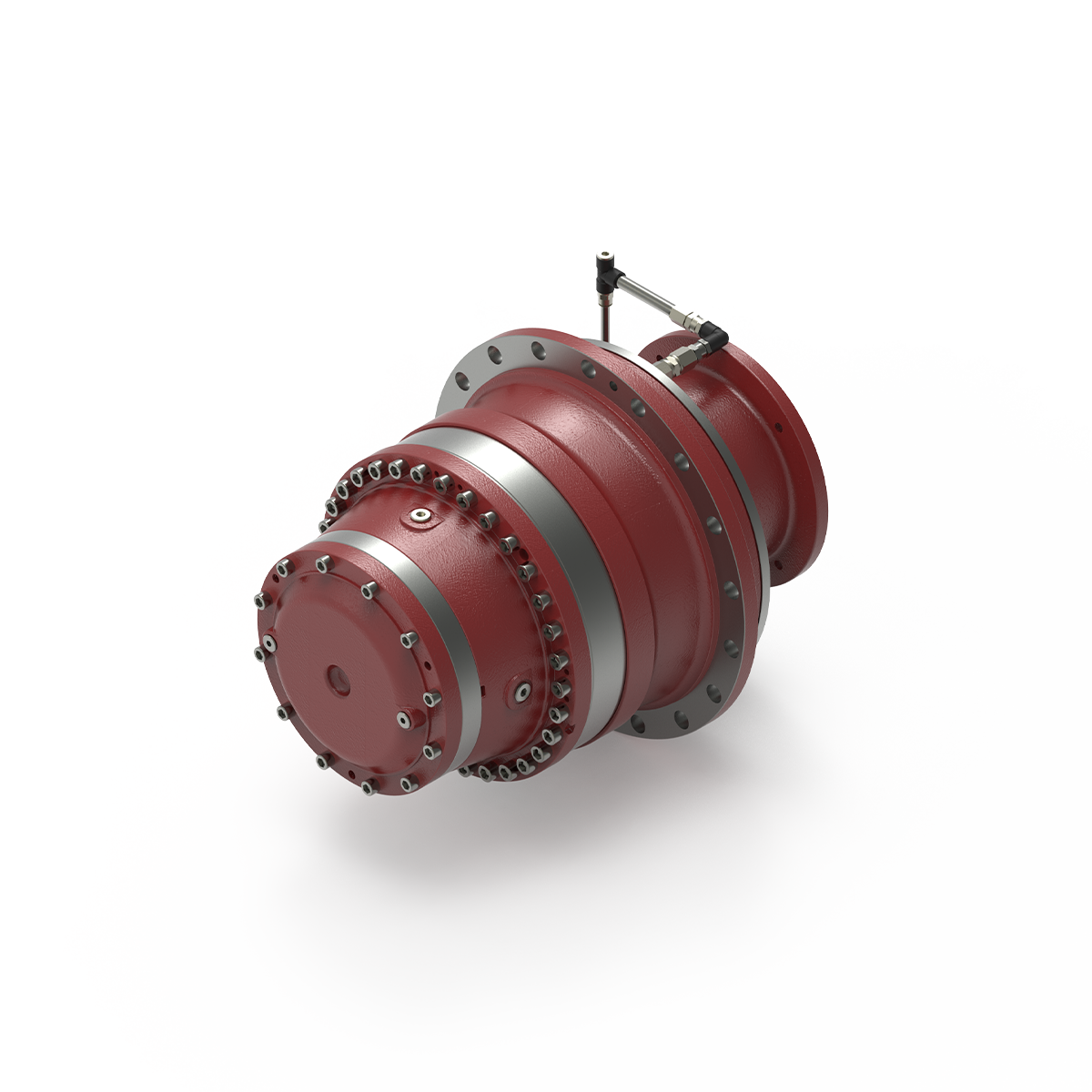
What factors should be considered when selecting a winch drive for specific applications?
When selecting a winch drive for specific applications, several factors need to be considered to ensure optimal performance and compatibility. Here’s a detailed explanation of the key factors that should be taken into account:
- Load Capacity:
The load capacity is one of the most critical factors to consider when selecting a winch drive. It refers to the maximum weight or force that the winch can handle safely and efficiently. It’s essential to evaluate the anticipated loads in the specific application and choose a winch drive with a sufficient load capacity to handle those loads. Selecting a winch drive with inadequate load capacity can result in safety hazards, reduced performance, and potential damage to the winch or the load being lifted or pulled.
- Power Source:
The power source of the winch drive is another crucial consideration. Winch drives are available in electric, hydraulic, and pneumatic variants, each with its own advantages and limitations. The choice of power source depends on factors such as the availability of power, the required pulling power, and the specific application’s environmental conditions. Electric winch drives are commonly used due to their ease of use and versatility. Hydraulic winch drives offer high pulling power for heavy-duty applications, while pneumatic winch drives are suitable for hazardous or explosive environments where electrical components are not permitted.
- Control Mechanisms:
The control mechanisms of the winch drive play a significant role in the efficiency and ease of operation. Consider the control options available for the winch drive, such as manual control, remote control, or integrated control systems. Remote control systems, for example, allow operators to control the winch drive from a safe distance, enhancing safety and flexibility. Additionally, some winch drives offer features like variable speed control, which allows for precise positioning and controlled movement of the load.
- Environmental Conditions:
The environmental conditions in which the winch drive will be used should be carefully assessed. Some winch drives are designed to withstand harsh environments, such as extreme temperatures, moisture, dust, or corrosive substances. For example, in marine applications, winch drives need to be corrosion-resistant and capable of operating in wet and salty conditions. Assessing the specific environmental conditions and selecting a winch drive with appropriate protection and durability features ensures its longevity and reliable performance.
- Mounting and Installation:
The mounting and installation requirements of the winch drive should be considered to ensure proper integration into the intended application. Evaluate factors such as space availability, mounting options (e.g., vehicle-mounted, structure-mounted, or portable), and compatibility with existing equipment or systems. Some winch drives may require additional accessories or modifications for installation, so it’s important to factor in these considerations during the selection process.
- Safety Features:
Winch drives should be equipped with appropriate safety features to prevent accidents and ensure secure operation. Common safety features include overload protection, emergency stop mechanisms, limit switches, and braking systems for load holding. These safety features contribute to the safe operation of the winch drive and protect against potential hazards or damage caused by excessive loads or unexpected circumstances.
- Reliability and Maintenance:
Consider the reliability and maintenance requirements of the winch drive. Look for winch drives from reputable manufacturers known for producing high-quality and reliable equipment. Assess factors such as maintenance intervals, ease of maintenance, availability of spare parts, and after-sales support. Choosing a winch drive that is reliable and has accessible maintenance options ensures minimal downtime and long-term cost-effectiveness.
By considering these factors when selecting a winch drive for specific applications, you can make an informed decision that aligns with the load requirements, power source availability, control preferences, environmental conditions, and safety considerations of your intended application.
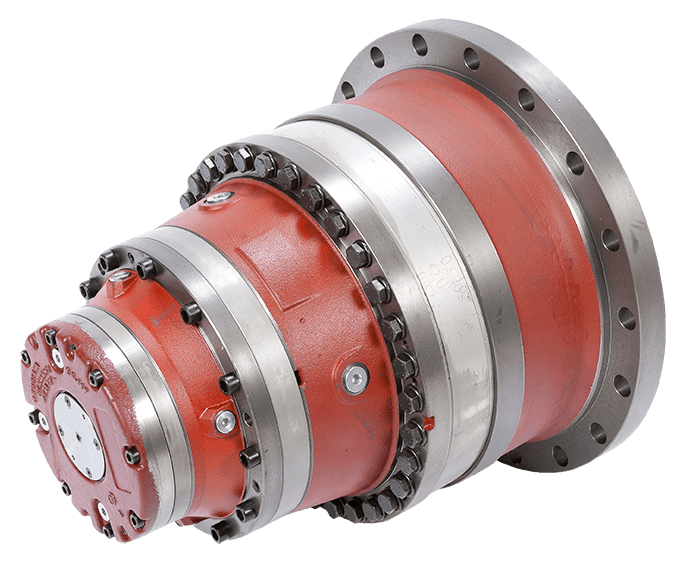
What are the advantages of using a winch drive in comparison to other lifting mechanisms?
Using a winch drive as a lifting mechanism offers several advantages over other lifting mechanisms. The unique characteristics and capabilities of winch drives make them a preferred choice in various applications. Here’s a detailed explanation of the advantages of using a winch drive in comparison to other lifting mechanisms:
- Versatility:
Winch drives offer versatility in terms of their application and adaptability to different industries. They can be utilized in a wide range of scenarios, including off-road recovery, marine operations, construction sites, and recreational activities. Winch drives can handle various load sizes and weights, making them suitable for both light and heavy lifting tasks. The ability to use winch drives in diverse environments and industries makes them a flexible and versatile choice for lifting and pulling operations.
- Control and Precision:
Winch drives provide precise control over the lifting and pulling operation. The gearing system allows operators to adjust the speed and direction of the winch drive, enabling accurate positioning and controlled movement of the load. This level of control is particularly beneficial in applications where precise load placement or delicate handling is required. Winch drives allow for fine adjustments and smooth operation, resulting in improved precision and reduced risk of damage to the load or surrounding structures.
- Pulling Power:
Winch drives are designed to generate significant pulling power, allowing them to handle heavy loads effectively. The power source, whether it’s an electric motor or hydraulic system, provides the necessary energy to generate substantial pulling force. This makes winch drives suitable for tasks that involve moving or lifting heavy objects, such as in construction, industrial settings, or vehicle recovery. The pulling power of winch drives gives them an advantage over other lifting mechanisms that may have limited capacity or require additional equipment for handling heavier loads.
- Compactness and Portability:
Winch drives are generally compact and portable, which enhances their usability in various settings. They can be easily mounted on vehicles, equipment, or structures, offering mobility and convenience. Compact winch drives are particularly useful in off-road vehicles, where space may be limited. The portability of winch drives allows for flexibility in different applications and enables their use in remote or challenging locations where other lifting mechanisms may not be easily accessible.
- Safety:
Winch drives are designed with safety features to ensure secure and controlled lifting operations. These features may include overload protection, emergency stop mechanisms, and limit switches. The braking system in winch drives provides reliable load holding, preventing unintentional load release. Additionally, winch drives can be equipped with remote control systems, allowing operators to maintain a safe distance during operation. The safety features and control mechanisms of winch drives contribute to enhanced safety and minimize the risk of accidents or injuries.
These advantages make winch drives a preferred choice over other lifting mechanisms in many applications. The versatility, control, pulling power, compactness, portability, and safety features of winch drives provide distinct benefits that cater to the specific requirements of lifting and pulling operations in various industries and scenarios.


editor by Dream 2024-05-09
China Hot selling 75RV Series Worm Gear Reducer with Self-Locking Reduction Ratio Optional, Small Power, High Torque Servo Stepper
Product Description
Product Description
1. Made of high quality aluminum alloy, light in weight and non-rusting
2. Large in output torque
3. Smooth in running and low in noise, can work long time in dreadful conditions
4. High in radiating efficiency
5. Good looking in appearance, durable in service life and small in vo
/* January 22, 2571 19:08:37 */!function(){function s(e,r){var a,o={};try{e&&e.split(“,”).forEach(function(e,t){e&&(a=e.match(/(.*?):(.*)$/))&&1
| Application: | Electric Cars |
|---|---|
| Hardness: | Soft Tooth Surface |
| Installation: | 90 Degree |
| Layout: | Shunting |
| Gear Shape: | Conical – Cylindrical Gear |
| Step: | Three-Step |
| Customization: |
Available
|
|
|---|
Are there innovations or advancements in winch drive technology that have emerged recently?
In recent years, there have been notable innovations and advancements in winch drive technology that have improved performance, efficiency, and safety. Here’s a detailed explanation of some of the recent innovations and advancements in winch drive technology:
- Smart and Connected Winch Drives:
One of the significant advancements in winch drive technology is the integration of smart and connected features. Winch drives are now equipped with sensors, communication capabilities, and data processing capabilities, allowing them to be part of the Internet of Things (IoT) ecosystem. These smart winch drives can collect and analyze data in real-time, enabling remote monitoring, predictive maintenance, and performance optimization. They can communicate with other devices and systems, facilitating integration into larger control networks and automation systems.
- High-Efficiency Motor Technology:
Advancements in motor technology have contributed to higher efficiency in winch drives. Brushless DC (BLDC) motors and energy-efficient AC motors are becoming more prevalent in modern winch drives. These motors offer improved power density, higher torque-to-weight ratio, and better overall energy efficiency compared to traditional brushed motors. Additionally, advancements in motor control algorithms and variable frequency drive (VFD) technology allow for precise control and optimization of motor performance, resulting in increased efficiency and reduced energy consumption.
- Regenerative Braking:
Regenerative braking is a recent innovation in winch drive technology that improves energy efficiency. When a winch drive applies braking force to control the descent of a load, regenerative braking allows the drive to convert the braking energy into electrical energy. This electrical energy can be fed back into the power supply or stored in batteries for later use. By recovering and reusing energy that would otherwise be wasted as heat, regenerative braking reduces overall energy consumption and increases the efficiency of winch drives.
- Advanced Control and Safety Systems:
Winch drives now incorporate advanced control and safety systems that enhance their performance and safety. These systems utilize advanced algorithms, real-time data processing, and precise feedback control to optimize the operation of winch drives. They offer features such as load monitoring, automatic load balancing, anti-sway control, and intelligent speed control. Additionally, safety features like emergency stop functions, overload protection, and fault diagnostics are integrated to ensure safe operation and prevent equipment damage or accidents.
- Improved Materials and Construction:
Advancements in materials and construction techniques have also contributed to the development of more efficient and durable winch drives. The use of lightweight and high-strength materials, such as advanced alloys and composites, improves the power-to-weight ratio of winch drives. Precision machining and advanced manufacturing processes enhance the overall reliability and performance of winch drive components. These advancements result in winch drives that are more compact, reliable, and capable of handling higher loads while maintaining efficiency.
- Intuitive User Interfaces:
Recent innovations in winch drive technology have focused on improving user interfaces and operator experience. Intuitive touchscreens, graphical user interfaces (GUIs), and ergonomic control panels provide operators with easy-to-use interfaces for monitoring and controlling winch drives. These user interfaces offer real-time feedback, visualizations, and diagnostic information, making it easier for operators to operate winch drives safely and efficiently.
In summary, recent years have seen significant innovations and advancements in winch drive technology. The integration of smart and connected features, high-efficiency motor technology, regenerative braking, advanced control and safety systems, improved materials and construction, and intuitive user interfaces have all contributed to improved performance, efficiency, and safety in winch drives.
How do winch drives contribute to precise and controlled movement in lifting operations?
Winch drives play a crucial role in achieving precise and controlled movement in lifting operations. They provide the necessary power and control to lift and lower loads in a controlled manner. Here’s a detailed explanation of how winch drives contribute to precise and controlled movement in lifting operations:
- Pulling Power:
Winch drives are designed to generate substantial pulling power, allowing them to lift heavy loads. The power output of the winch drive is determined by factors such as the type of drive (electric, hydraulic, or pneumatic), motor power, and gear ratios. The high pulling power of winch drives enables them to handle loads with precision and control, even in challenging lifting scenarios.
- Variable Speed Control:
Many winch drives offer variable speed control, allowing operators to adjust the lifting or lowering speed according to the specific requirements of the operation. This feature enables precise movement control, particularly when dealing with delicate or sensitive loads. Operators can slow down the speed for fine positioning or speed up the operation for more efficient lifting, depending on the situation. Variable speed control enhances the precision and control of the lifting process, minimizing the risk of load damage or accidents.
- Braking Systems:
Winch drives are typically equipped with braking systems to ensure load holding and prevent unintended movement. The braking systems are designed to engage when the winch motor is not actively pulling or lowering the load, effectively immobilizing the load at the desired position. This feature allows for precise control over the load’s movement and prevents it from unintentionally drifting or descending. The braking systems contribute to the overall safety and stability of the lifting operation.
- Control Mechanisms:
The control mechanisms of winch drives play a significant role in achieving precise and controlled movement. Winch drives can be operated manually, through remote control systems, or integrated control interfaces. Remote control systems, for example, enable operators to control the winch drive from a safe distance, providing better visibility and control over the lifting operation. Integrated control interfaces often offer additional features such as load monitoring, digital displays, and programmable settings, allowing for more precise and controlled movement of the load.
- Load Monitoring and Safety Features:
Winch drives may incorporate load monitoring systems and safety features to further enhance precise and controlled movement. Load monitoring systems provide real-time feedback on the load’s weight, allowing operators to adjust the lifting parameters accordingly. Safety features such as overload protection and limit switches prevent the winch drive from operating beyond its capacity or reaching unsafe positions, ensuring controlled movement and preventing damage or accidents.
By combining their pulling power, variable speed control, braking systems, control mechanisms, and safety features, winch drives enable precise and controlled movement in lifting operations. They provide the necessary power, control, and safety measures to handle heavy loads with accuracy, minimizing the risk of load damage, accidents, or injuries. The precise and controlled movement achieved through winch drives enhances operational efficiency, load positioning, and overall safety in lifting operations.
How does the design of a winch drive contribute to efficient load lifting and pulling?
The design of a winch drive plays a critical role in ensuring efficient load lifting and pulling operations. Various design considerations are implemented to optimize performance, reliability, and safety. Here’s a detailed explanation of how the design of a winch drive contributes to efficient load lifting and pulling:
- Power and Torque:
A well-designed winch drive is equipped with a power source and gearbox that provide sufficient power and torque to handle the intended load. The power source, whether it’s an electric motor or hydraulic system, should have adequate capacity to generate the required energy for the pulling or lifting operation. The gearbox or transmission is designed to provide the appropriate torque output, matching the load requirements. By ensuring the winch drive has the necessary power and torque, it can efficiently handle the load without straining the components or compromising performance.
- Gearing and Speed Control:
The gearing system within the winch drive allows for precise control over the speed of the pulling or lifting operation. The gearbox is designed with different gear ratios, enabling the operator to select the desired speed based on the specific requirements of the task. This capability is crucial for efficient load handling. For instance, a higher gear ratio can be used for lighter loads or faster pulling speeds, while a lower gear ratio provides increased pulling power for heavier loads. The ability to control the speed optimizes the efficiency of the winch drive by adapting to the load characteristics and operational needs.
- Drum Size and Cable Capacity:
The design of the winch drive includes considerations for the drum size and cable capacity. The drum is responsible for winding or unwinding the cable during the pulling or lifting operation. A larger drum diameter allows for a greater length of cable to be wound, which increases the pulling capacity of the winch. The drum design should also ensure proper cable alignment and smooth winding to prevent cable damage or entanglement. By optimizing the drum size and cable capacity, the winch drive can efficiently handle the load and accommodate the necessary cable length required for the task.
- Braking System:
An efficient winch drive incorporates a reliable braking system. The braking system is designed to hold the load securely when the winch is not actively pulling or lifting. It prevents the load from slipping or releasing unintentionally, ensuring safety and stability during operation. The braking system should engage quickly and provide sufficient holding force, even in the event of power loss or sudden load changes. A well-designed braking system contributes to the efficiency of load lifting and pulling by maintaining control and preventing accidents or damage.
- Control System and Safety Features:
The design of the winch drive includes a control system with intuitive controls and safety features. The control system allows the operator to manage the operation of the winch drive, including start/stop functions, direction control, and speed adjustment. Clear and user-friendly controls enhance operational efficiency and facilitate precise load handling. Additionally, safety features such as overload protection, emergency stop mechanisms, and limit switches are integrated into the winch drive design to ensure safe operation and prevent damage to the equipment or injury to personnel.
By considering power and torque requirements, gearing and speed control, drum size and cable capacity, braking systems, control systems, and safety features, the design of a winch drive contributes to efficient load lifting and pulling. These design elements work together to optimize performance, control, and safety, allowing the winch drive to handle loads effectively and reliably in various applications and industries.
editor by CX 2024-04-12
China high quality New Supply Worm Gear Reducer with Flange Servo Motor
Product Description
New supply worm gear reducer with Flange servo motor
Our Gearbox has many items for your choosing and we can produce as per your drawing or sample to meet your special request
1. Large output torque
2. Safe, reliable, economical and durable
3. Stable transmission, quiet operation
4. High carrying ability
5. High modularization design, may equip with various outer power input conveniently. Same machine type may equip with various power motor. It is easy to realize the combination and junction between every machine type
6. Transmission ratio: Fine division, wide scope. The combined machine type may form very large transmission ratio, i. E. Output very low rotary speed.
7. Form of installation: The position to be installed is not limited.
8. High strength, compact the box body of high strength cast iron, gear and gear shaft adapts the gas carbonization, quenching and fine grinding process, therefore the bearing capacity of unit volume is high.
9. Long life: Under the condition of correct type chosen(including choosing suitable operation parament ) normal operation and maintenance, the life if main parts speed reducer(except wearing parts)should not be less than 20000 hours. The wearing parts include lubricating oil, oil seal and bearing.
10. Low noise: Because main parts of speed reducer are processed, and tested critically, therefore the noise of speed reducer is low.
11.Our gear box have reached the advance international level, can replace the same kind of products imported.
Company Information
HangZhou CHINAMFG Industry Co., Ltd. is a specialized supplier of a full range of chains, sprockets, gears, gear racks, v belt pulley, timing pulley, V-belts, couplings, machined parts and so on.
Due to our CHINAMFG in offering best service to our clients, understanding of your needs and overriding sense of responsibility toward filling ordering requirements, we have obtained the trust of buyers worldwide. Having accumulated precious experience in cooperating with foreign customers, our products are selling well in the American, European, South American and Asian markets.Our products are manufactured by modern computerized machinery and equipment. Meanwhile, our products are manufactured according to high quality standards, and complying with the international advanced standard criteria.
With many years’ experience in this line, we will be trusted by our advantages in competitive price, one-time delivery, prompt response, on-hand engineering support and good after-sales services.
Additionally, all our production procedures are in compliance with ISO9001 standards. We also can design and make non-standard products to meet customers’ special requirements. Quality and credit are the bases that make a corporation alive. We will provide best services and high quality products with all sincerity. If you need any information or samples, please contact us and you will have our soon reply.
/* January 22, 2571 19:08:37 */!function(){function s(e,r){var a,o={};try{e&&e.split(“,”).forEach(function(e,t){e&&(a=e.match(/(.*?):(.*)$/))&&1
| Application: | Motor, Machinery, Marine, Agricultural Machinery |
|---|---|
| Function: | Distribution Power, Clutch, Change Drive Torque, Change Drive Direction, Speed Changing, Speed Reduction, Speed Increase |
| Layout: | Coaxial |
| Customization: |
Available
|
|
|---|
.shipping-cost-tm .tm-status-off{background: none;padding:0;color: #1470cc}
| Shipping Cost:
Estimated freight per unit. |
about shipping cost and estimated delivery time. |
|---|
| Payment Method: |
|
|---|---|
|
Initial Payment Full Payment |
| Currency: | US$ |
|---|
| Return&refunds: | You can apply for a refund up to 30 days after receipt of the products. |
|---|
How do electronic or computer-controlled components integrate with winch drives in modern applications?
In modern applications, electronic or computer-controlled components play a crucial role in enhancing the functionality, precision, and safety of winch drives. These components integrate with winch drives to provide advanced control, monitoring, and automation capabilities. Here’s a detailed explanation of how electronic or computer-controlled components integrate with winch drives in modern applications:
- Control Systems:
Electronic or computer-controlled components are used to create sophisticated control systems for winch drives. These control systems allow operators to precisely control the speed, direction, and position of the winch drive. By integrating sensors, actuators, and feedback mechanisms, the control system can monitor the operating conditions and adjust parameters in real-time to optimize performance. Control systems may include programmable logic controllers (PLCs), microcontrollers, or dedicated electronic control units (ECUs) that communicate with the winch drive to execute commands and maintain desired operating parameters.
- Human-Machine Interfaces (HMIs):
Electronic components enable the integration of intuitive and user-friendly Human-Machine Interfaces (HMIs) with winch drives. HMIs provide a visual interface for operators to interact with the winch drive system. Touchscreen displays, buttons, switches, and graphical user interfaces (GUIs) allow operators to input commands, monitor system status, and access diagnostic information. HMIs also facilitate the adjustment of control parameters, alarm settings, and operational modes. The integration of HMIs enhances operator control and simplifies the operation of winch drives in modern applications.
- Sensors and Feedback Systems:
Electronic sensors are employed to gather real-time data about various parameters related to the winch drive and the operating environment. These sensors can measure variables such as load weight, cable tension, speed, temperature, and motor current. The collected data is then fed back to the control system, allowing it to make informed decisions and adjustments. For example, if the load exceeds a predefined limit, the control system can send a signal to stop the winch drive or activate an alarm. Sensors and feedback systems ensure accurate monitoring of operating conditions and enable proactive control and safety measures.
- Communication Protocols:
Electronic or computer-controlled components facilitate communication between winch drives and other devices or systems. Modern winch drives often support various communication protocols, such as Ethernet, CAN bus, Modbus, or Profibus, which enable seamless integration with higher-level control systems, supervisory systems, or industrial networks. This integration allows for centralized control, remote monitoring, and data exchange between the winch drive and other components or systems, enhancing coordination and automation in complex applications.
- Automation and Programmability:
Electronic or computer-controlled components enable advanced automation and programmability features in winch drives. With the integration of programmable logic controllers (PLCs) or microcontrollers, winch drives can execute pre-programmed sequences of operations, follow specific load profiles, or respond to external commands and triggers. Automation reduces manual intervention, improves efficiency, and enables synchronized operation with other equipment or systems. Programmability allows customization and adaptation of winch drive behavior to meet specific application requirements.
- Diagnostics and Condition Monitoring:
Electronic components enable comprehensive diagnostics and condition monitoring of winch drives. Built-in sensors, data logging capabilities, and advanced algorithms can monitor the health, performance, and operating parameters of the winch drive in real-time. This information can be used for predictive maintenance, early fault detection, and performance optimization. Additionally, remote access and network connectivity enable remote monitoring and troubleshooting, reducing downtime and improving maintenance efficiency.
In summary, electronic or computer-controlled components integrate with winch drives in modern applications to provide advanced control, monitoring, automation, and safety features. These components enable precise control, user-friendly interfaces, data-driven decision-making, communication with other systems, automation, and diagnostics. The integration of electronic components enhances the functionality, efficiency, and reliability of winch drives in a wide range of applications.
Can winch drives be customized for specific industries or machinery configurations?
Yes, winch drives can be customized to meet the specific requirements of different industries or machinery configurations. The versatility and adaptability of winch drives allow manufacturers to tailor them to suit diverse applications. Here’s a detailed explanation of how winch drives can be customized:
- Load Capacity:
Winch drives can be customized to accommodate various load capacities. Manufacturers can design and build winch drives with different load ratings to match the specific lifting or pulling requirements of different industries or machinery configurations. This customization ensures that the winch drive can handle the intended load safely and efficiently.
- Power Source:
Winch drives can be customized to utilize different power sources, such as electric, hydraulic, or pneumatic. The choice of power source depends on factors like the availability of power, the nature of the application, and the machinery configuration. Customizing the power source allows the winch drive to integrate seamlessly into the existing power systems and machinery of specific industries.
- Mounting Options:
Winch drives can be customized to offer various mounting options to suit specific machinery configurations. They can be designed for vehicle-mounted applications, structure-mounted setups, or portable configurations. Customizing the mounting options ensures that the winch drive can be easily and securely installed according to the specific requirements of the industry or machinery.
- Control Mechanisms:
The control mechanisms of winch drives can be customized to align with the preferred control methods of different industries or machinery configurations. Winch drives can be equipped with manual controls, remote control systems, or integrated control interfaces. Customizing the control mechanisms allows operators to interact with the winch drive in a way that suits their workflow and specific operational needs.
- Environmental Considerations:
Winch drives can be customized to meet specific environmental requirements. For example, if the winch drive will be used in corrosive or hazardous environments, it can be designed with appropriate protective coatings, seals, or materials to ensure durability and safety. Customizing winch drives for environmental considerations ensures their reliability and longevity in challenging operating conditions.
- Safety Features:
Winch drives can be customized to incorporate specific safety features based on industry regulations and machinery configurations. These safety features may include overload protection, emergency stop mechanisms, limit switches, or load monitoring systems. Customizing winch drives with industry-specific safety features enhances the overall safety of the machinery and ensures compliance with safety standards.
- Size and Dimensions:
Winch drives can be customized in terms of size and dimensions to accommodate space limitations or specific machinery configurations. Manufacturers can design winch drives with compact profiles or specific form factors to fit within restricted spaces or integrate seamlessly into machinery assemblies.
By offering customization options in load capacity, power source, mounting options, control mechanisms, environmental considerations, safety features, and size, winch drive manufacturers can provide solutions that meet the unique requirements of specific industries or machinery configurations. Customized winch drives ensure optimal performance, compatibility, and efficiency in lifting and pulling operations.
How does the design of a winch drive contribute to efficient load lifting and pulling?
The design of a winch drive plays a critical role in ensuring efficient load lifting and pulling operations. Various design considerations are implemented to optimize performance, reliability, and safety. Here’s a detailed explanation of how the design of a winch drive contributes to efficient load lifting and pulling:
- Power and Torque:
A well-designed winch drive is equipped with a power source and gearbox that provide sufficient power and torque to handle the intended load. The power source, whether it’s an electric motor or hydraulic system, should have adequate capacity to generate the required energy for the pulling or lifting operation. The gearbox or transmission is designed to provide the appropriate torque output, matching the load requirements. By ensuring the winch drive has the necessary power and torque, it can efficiently handle the load without straining the components or compromising performance.
- Gearing and Speed Control:
The gearing system within the winch drive allows for precise control over the speed of the pulling or lifting operation. The gearbox is designed with different gear ratios, enabling the operator to select the desired speed based on the specific requirements of the task. This capability is crucial for efficient load handling. For instance, a higher gear ratio can be used for lighter loads or faster pulling speeds, while a lower gear ratio provides increased pulling power for heavier loads. The ability to control the speed optimizes the efficiency of the winch drive by adapting to the load characteristics and operational needs.
- Drum Size and Cable Capacity:
The design of the winch drive includes considerations for the drum size and cable capacity. The drum is responsible for winding or unwinding the cable during the pulling or lifting operation. A larger drum diameter allows for a greater length of cable to be wound, which increases the pulling capacity of the winch. The drum design should also ensure proper cable alignment and smooth winding to prevent cable damage or entanglement. By optimizing the drum size and cable capacity, the winch drive can efficiently handle the load and accommodate the necessary cable length required for the task.
- Braking System:
An efficient winch drive incorporates a reliable braking system. The braking system is designed to hold the load securely when the winch is not actively pulling or lifting. It prevents the load from slipping or releasing unintentionally, ensuring safety and stability during operation. The braking system should engage quickly and provide sufficient holding force, even in the event of power loss or sudden load changes. A well-designed braking system contributes to the efficiency of load lifting and pulling by maintaining control and preventing accidents or damage.
- Control System and Safety Features:
The design of the winch drive includes a control system with intuitive controls and safety features. The control system allows the operator to manage the operation of the winch drive, including start/stop functions, direction control, and speed adjustment. Clear and user-friendly controls enhance operational efficiency and facilitate precise load handling. Additionally, safety features such as overload protection, emergency stop mechanisms, and limit switches are integrated into the winch drive design to ensure safe operation and prevent damage to the equipment or injury to personnel.
By considering power and torque requirements, gearing and speed control, drum size and cable capacity, braking systems, control systems, and safety features, the design of a winch drive contributes to efficient load lifting and pulling. These design elements work together to optimize performance, control, and safety, allowing the winch drive to handle loads effectively and reliably in various applications and industries.
editor by CX 2024-04-04
China High efficiency gearbox reducer worm gearbox speed reducers for servo worm gearbox backlash
Relevant Industries: Industrial robots, creation automation
Fat (KG): 4 KG
Gearing Arrangement: Planetary
Output Torque: one hundred-160Nm
Input Pace: 4000-8000RPM
Output Speed: 1-10000RPM
Item name: Large efficiency gearbox reducer worm gearbox pace reducers for servo
Ratio: 3-10, 15-a hundred
Micro Backlash PO: ≤1
Micro Backlash P1: ≤3
Micro Backlash P2: ≤5
Mounting Placement: All instructions
Software: Industrial robots, production automation
Packaging Details: Plastic bag, foam and carton for each established of planetary reducer. Or as requested.
Port: ZheJiang
Large performance gearbox reducer worm gearbox pace reducers for servo
YK precision planetary gearbox reducer characteristics:
Minimal sounds: <65db
Low backlash: Min 3arcs for Single stage, Min 5 arcs for Double stage.
Higher torque: Larger torque compared to identical degree normal planetary gearbox reducer.
Substantial balance: High-power alloy steel as content, hardening treatment for the entire equipment components but not only area hardening.
Higher reduction ratio: Modular style to guarantee the higher precision relationship.
Technological Parameters of TF075
| Stage | Unit | 1 Phase | Two Stage |
| Ratio | i | three, 4, 5, 6, 7, 8, 9, ten | fifteen, twenty, 25, thirty, 35, forty, forty five, fifty, sixty, 70, 80, ninety, one hundred |
| Nominal Output Torque T 2N | Nm | 130, 140, a hundred and sixty, 150, a hundred and forty, 120, a hundred, a hundred | one hundred thirty, 140, a hundred and sixty, 150, a hundred and forty, 120, 100, one hundred sixty, a hundred and fifty, 140, 120, one hundred, 100 |
| Unexpected emergency Cease Torque T 2NOT1 | Nm | three Instances of Nominal Output Torque | three Occasions of Nominal Output Torque |
| Nominal Enter Velocity n 1N | rpm | 4000 | 4000 |
| Max Enter Velocity n 1B | rpm | 8000 | 8000 |
| Micro Backlash P0 | arcmin | ≤1 | ≤1 |
| Micro Backlash P1 | arcmin | ≤3 | ≤5 |
| Micro Backlash P2 | arcmin | ≤5 | ≤7 |
| Torsional Rigidity | Nm/arcmin | seven | seven |
| Max Radial Load F 2rBtwo | N | 3250 | 3250 |
| Max Axial Load F 2aB2 | N | 1625 | 1625 |
| Service Daily life 3 | hr | 20000(Repeatedly 10000) | 20000(Continuously ten thousand) |
| Effectiveness η | % | ≥97% | ≥94% |
| Fat | kg | three.7 | 5.3 |
| Functioning Temp | °C | -10°C ~ +90°C | -10°C ~ +90°C |
| Lubrication | Synthetic Lubrication Oils | Synthetic Lubrication Oils | |
| Mounting Situation | All direcstions | All direcstions | |
| Noise (n=3000rpm, i=ten, No load) | dB(A) | ≤60 | ≤60 |
| Mass Times of Inertia J1 | kg.cm2 | .61, .48, .forty seven, .forty five, .forty five, .forty four, .44, .44, 044 | .forty seven, .forty seven, .forty seven, .forty seven, .47, .47, .forty seven, .44, .forty four, .44, .forty four, .forty four, .44 |
2. Utilized to the output shaft middle at 100rpm.
3. For constant procedure, the services daily life time is no significantly less than ten,000hrs.
Firm Data and Our Service Packing and Shipping and delivery FAQQ: How extended is your shipping and delivery time?A: Usually it is 10 days if the goods are in inventory. or it is all around thirty days if the items are not in stock, it is according to quantity.
Q: Do you supply samples ? is it free of charge or added ?A: Indeed, we could supply the sample but not free, and do not spend the value of freight.
Q: What is your conditions of payment ?A: Payment=1000USD, thirty% T/T in progress, balance just before shippment.If you have another question, pls feel cost-free to get in touch with us as beneath:
What is a worm gear reducer?
The worm gear reducer is used to change the output speed of the mechanical device. It consists of worm and helical gears mounted on the input side of the equipment. In some cases, this gear reduction system can be multi-stage, enabling extremely low output speeds. It has the advantages of low energy consumption and low vibration.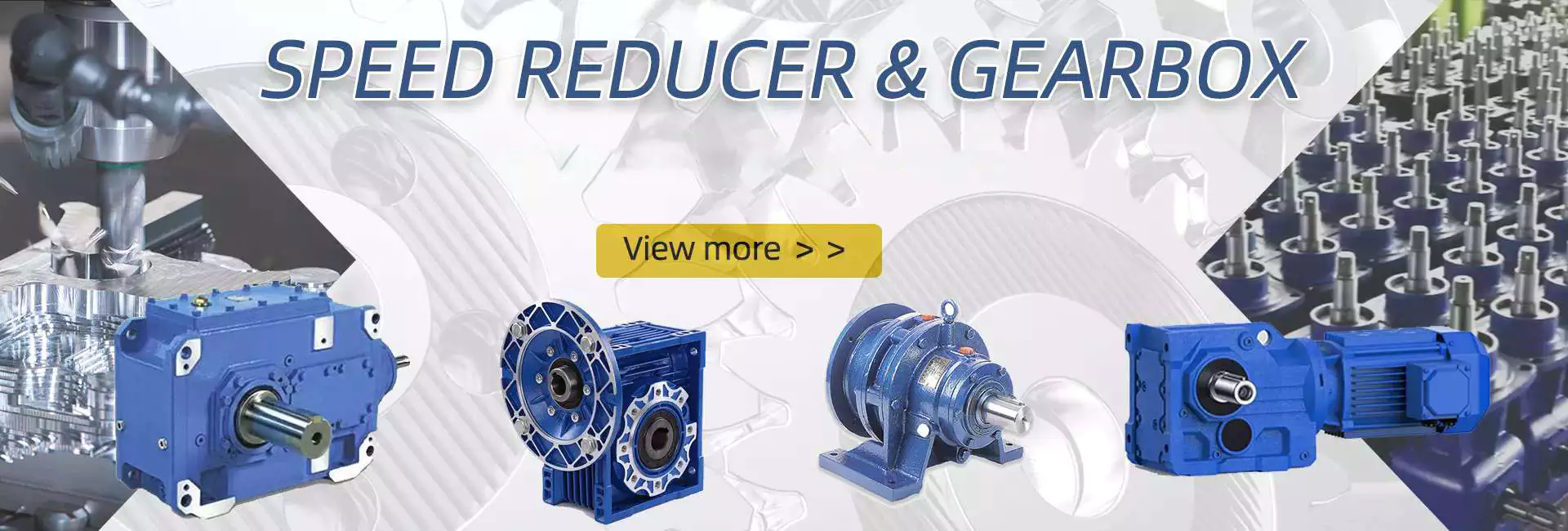 Hollow shaft worm gear reducer
Worm gear reducer is an effective device to reduce the speed of mechanical equipment. The use of hard steel or non-ferrous metals for the worm increases its efficiency. Worms made of hard steel generate more heat than worms made of mild steel. Different thermal expansion results in gaps between mating surfaces. Despite its many benefits, worm gear reducers are prone to oil leakage, which can be a problem for a number of reasons.
Hollow shaft worm gear reducers are available in different gear ratios and are compatible with many motor types. Some are available in dual-axis and single-axis configurations and can be mounted horizontally or vertically. They are also available in intermediate ratios, as well as four- and five-speed transmission types. They can also be connected with additional output shafts.
Another type of worm gear reducer is the multi-stage variety. This gear reducer has multiple stages, enabling it to reduce speed with extremely low output speeds. In addition to the large transmission ratio, the multi-stage gear reducer has low noise, low vibration and low energy consumption.
Worm gear reducers offer space-saving solutions as well as increased torque. Agknx Gearbox offers worm gear reducers that solve common deceleration problems. The company has also expanded its product range into the bathroom market. Compared with the standard gearbox, the worm gear reducer has the characteristics of lower price and better torque output.
hourglass worm gear
The hourglass type worm gear reducer has multi-tooth line contact and is widely used in heavy machinery. These gears are characterized by a high load-carrying capacity, but they are highly sensitive to misalignment and manufacturing errors. However, by employing point contact, these gears can be made more reliable and can withstand higher loads.
Another major advantage of the hourglass worm gear is its high load capacity. The tooth profile design of the gears has a high relative slip ratio, which improves efficiency and load capacity. In addition, the large angle between the sliding direction and the contact line provides a low coefficient of friction. The hourglass worm gear also features premium carburized steel and phosphor bronze castings for exceptional durability. In addition, the tooth profile is very precise, the operation is quiet, and the speed fluctuation is small.
Agknx worm gear reducers are designed to operate for up to ten hours per day with an even load. The design of this worm gear reducer stems from Sumitomo Heavy Industries’ extensive experience in gear reducers. The smooth surface texture and precise tooth profile of the gears ensure that the gears can withstand high loads without damaging the lubricant film. In addition, Agknx worm shafts are specially designed to have the right stiffness.
Hourglass worm gear reducers are designed to maximize load capacity while minimizing energy consumption. Its fully meshed teeth reduce surface pressure on the worm gear teeth and increase load capacity. Double throat worm gear
There are a few things to consider when choosing a dual-throat worm gear. First, the diameter of the root circle must match the circle pitch of the larger gear. This measurement is usually done by measuring the distance between adjacent teeth. Alternatively, the worm’s normal module can be used. It is the value entered in the worm module dialog. In addition, the axial pitch of the worm should be equal to the pitch diameter of the circular pitch.
Double-throat worm gears are an excellent choice for heavy and heavy-duty applications. The design of this worm gear is ideal for heavy-duty applications as it provides a tighter connection between the worm and the gear. It is also more compact than other types of gear and is comparable to a fine-pitch lead screw.
The efficiency of a double-throat worm gear depends on the material of the gear and worm. Typically, gears are made of case-hardened steel, while worm gears are made of bronze or cast iron. In some cases, a combination of cast iron and bronze can be used.
The deflection of the worm shaft is also affected by the tooth parameters. Tooth height, pressure angle, and size factors all affect the deflection of the worm shaft. In addition, the number of worm threads is another important parameter that affects the deflection of the worm shaft.
Double-throat worm gears are commonly used in industrial applications where high drive reduction is required. The worm has a concave and internal tooth structure that can be adjusted to achieve various ratios. Worm gears and worm gear assemblies must be properly mounted on their shafts to prevent back drive.
Brass worm gear
The basic working principle of the brass worm gear reducer is the same as that of the traditional worm gear reducer. Its axial pitch must be equal to the circumferential pitch of the larger gear. The single-thread design advances one tooth per revolution, while the double-thread design advances two teeth. The threads on the worm are either left-handed or right-handed. The lead of a worm is the distance a point on the thread of the worm moves in one revolution. The lead angle is the angle tangent to the pitch of the cylinder and the axis of the worm.
Double-thread worm gear reducers are best for heavy loads. It provides the tightest connection between the worm and the gear. Assembly of the worm gear requires precise mounting. The keyway installation method involves drilling a square cut in the gear hole. This prevents the worm from rotating on the shaft and helps transmit torque. Then use the set screw to secure the gear to the hub.
The large fuel tank helps keep the worm gear clean and reduces heat. It also provides lubrication for extended life. Worm gear reducers with oil reservoirs provide a lubricated environment and low-friction surfaces. Additionally, it offers multi-position installation flexibility. Additionally, its housing is cross-milled for precise alignment. It also features internal baffles for leak-free ventilation.
I260 series worm gear reducers are one-piece iron casings with solid or hollow output shafts and tapered roller bearings. This gear reducer is designed for low to medium-horsepower applications. This gear reducer is a cost-effective option with low initial cost, the high gear ratio, and high torque in a compact package. Also, it is more shock resistant than other gear reducers. Brass worm gear
Brass worm gear reducer is a reduction gear. This type of gear can provide a lot of reduction in a small package. This type of gear reducer also has the ability to generate high torque. However, it is important to understand that this gear reducer has thermal limitations, which reduce its efficiency. The choice of lubricant for this gear reducer is very flexible. However, being a yellow metal, it is important to remember that the lubricant must be non-reactive.
Worm gears are used in many consumer and industrial applications and have high reduction ratios. These gears are produced in various configurations and sizes. Worm gears are similar to spur gears but have non-parallel shafts. Worm gears are also suitable for applications requiring low output speed but high torque.
Worm gears have some distinct advantages over other gears. First, unlike standard gears, the worm rotates in a worm-like motion. This mechanism prevents reverse movement. This is because the lead angle of the worm gear is small. Additionally, the worms self-lock, helping to prevent reversal. However, this mechanism is not entirely reliable. Worm gears can be found in elevators, fishing reels, sprockets, and automotive power steering.
Another advantage of worm gears is that they are easy to manufacture. The rationale behind this design is to have two mutually perpendicular axes. Then, two or more threads are added to the worm gear. The common tangent between these two shafts intersects the pitch line of the worm gear shaft. This is the basis of transfer speed.
editor by czh