Product Description
Helical Reduction Gearbox Speed Reducer Bevel Spiral 90 Degree Right Angle Straight Best Supplyer Competitive Price Shaft Alloy Stainless Steel Helical Reducer
Application of Helical Reducer
Helical reducers are used in a wide variety of applications, including:
- Machine tools: Helical reducers are used to power a variety of machine tools, such as lathes, mills, and drills. They provide the torque and speed control needed for these machines to operate efficiently.
- Conveyors: Helical reducers are used to power conveyors, which are used to transport materials in a variety of industries, such as manufacturing, food processing, and logistics.
- Pumps: Helical reducers are used to power pumps, which are used to move fluids in a variety of applications, such as water treatment, wastewater treatment, and oil and gas production.
- Fans: Helical reducers are used to power fans, which are used to circulate air in a variety of applications, such as heating, ventilating, and air conditioning (HVAC).
- Actuators: Helical reducers are used to power actuators, which are used to move objects in a variety of applications, such as robotics, automation, and aerospace.
Helical reducers offer a number of advantages over other types of reducers, including:
- Smoother operation: Helical gears mesh more smoothly than other types of gears, which results in less noise and vibration.
- Longer life: Helical gears are less prone to wear and tear than other types of gears, which results in a longer service life.
- Higher efficiency: Helical reducers are more efficient than other types of reducers, which results in lower energy consumption.
As a result of these advantages, helical reducers are a popular choice for a wide variety of applications.
/* January 22, 2571 19:08:37 */!function(){function s(e,r){var a,o={};try{e&&e.split(“,”).forEach(function(e,t){e&&(a=e.match(/(.*?):(.*)$/))&&1
| Application: | Motor, Electric Cars, Motorcycle, Machinery, Marine, Toy, Agricultural Machinery, Car |
|---|---|
| Function: | Distribution Power, Clutch, Change Drive Torque, Change Drive Direction, Speed Changing, Speed Reduction, Speed Increase |
| Layout: | Three-Ring |
| Hardness: | Hardened Tooth Surface |
| Installation: | Torque Arm Type |
| Step: | Stepless |
| Samples: |
US$ 9999/Piece
1 Piece(Min.Order) | |
|---|
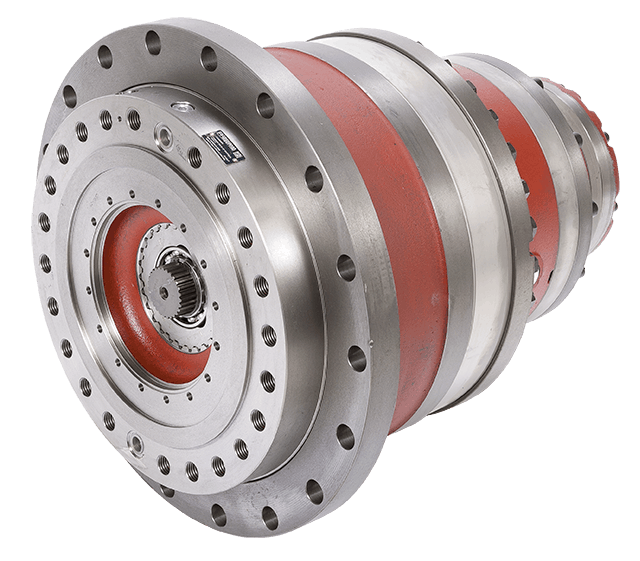
How does the choice of winch drives affect the overall performance and reliability of lifting operations?
The choice of winch drives has a significant impact on the overall performance and reliability of lifting operations. Here’s a detailed explanation of how the choice of winch drives affects performance and reliability:
- Lifting Capacity:
The choice of winch drives directly affects the lifting capacity of the system. Different winch drives have varying load capacities, and selecting an appropriate winch drive that matches the intended lifting requirements is crucial. Choosing a winch drive with insufficient lifting capacity can result in overloading, which can lead to equipment failure, safety hazards, and potential damage to the load or surrounding structures. On the other hand, selecting a winch drive with a higher lifting capacity than necessary can lead to unnecessary costs and inefficient operation. Therefore, selecting the right winch drive with the appropriate lifting capacity is essential for optimal performance and reliability.
- Speed and Control:
The choice of winch drives also affects the speed and control of lifting operations. Different winch drives offer varying speed ranges and control options. High-quality winch drives provide smooth and precise speed control, allowing for accurate positioning and delicate handling of loads. The choice of winch drives with suitable speed and control capabilities ensures efficient and controlled lifting operations, reducing the risk of accidents, damage to the load, or strain on the lifting equipment. Additionally, winch drives with advanced control features, such as programmable logic controllers (PLCs) or electronic control systems, enhance operational reliability and performance by enabling synchronized movements and automation.
- Durability and Reliability:
The choice of winch drives significantly impacts the durability and reliability of lifting operations. High-quality winch drives constructed with robust materials and designed for heavy-duty applications offer enhanced durability and reliability. They can withstand the demanding conditions and stress associated with lifting operations, minimizing the risk of breakdowns, malfunctions, or premature wear. Choosing winch drives from reputable manufacturers known for their quality and reliability ensures long-term performance and reduces the need for frequent maintenance or replacement, enhancing the overall reliability of the lifting operations.
- Safety Features:
Winch drives come with various safety features that contribute to the overall performance and reliability of lifting operations. These safety features include overload protection systems, emergency stop controls, limit switches, and fail-safe mechanisms. The choice of winch drives with comprehensive safety features enhances the safety of lifting operations by preventing overloading, safeguarding against equipment failures, and providing emergency shutdown options in critical situations. Properly selecting winch drives with appropriate safety features ensures compliance with safety regulations, reduces the risk of accidents, and enhances the reliability of lifting operations.
- Compatibility and Integration:
Choosing winch drives that are compatible with the overall lifting system and easily integrable with other components is crucial for optimal performance and reliability. Compatibility issues can arise if the selected winch drive does not match the mechanical requirements, power supply, or control interfaces of the lifting system. Incompatibility can lead to operational inefficiencies, increased maintenance needs, or even system failures. Therefore, careful consideration of the compatibility and integration aspects when choosing winch drives ensures seamless integration, smooth operation, and enhanced reliability of lifting operations.
In summary, the choice of winch drives significantly impacts the overall performance and reliability of lifting operations. Factors such as lifting capacity, speed and control capabilities, durability and reliability, safety features, and compatibility with the overall system should be carefully considered when selecting winch drives. By choosing the right winch drives that meet the specific requirements of the lifting operations, operators can achieve optimal performance, ensure safe and efficient lifting, and enhance the overall reliability of the operations.
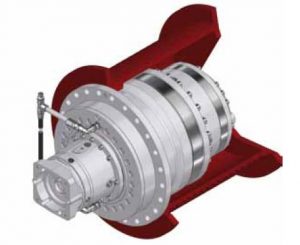
How do winch drives contribute to precise and controlled movement in lifting operations?
Winch drives play a crucial role in achieving precise and controlled movement in lifting operations. They provide the necessary power and control to lift and lower loads in a controlled manner. Here’s a detailed explanation of how winch drives contribute to precise and controlled movement in lifting operations:
- Pulling Power:
Winch drives are designed to generate substantial pulling power, allowing them to lift heavy loads. The power output of the winch drive is determined by factors such as the type of drive (electric, hydraulic, or pneumatic), motor power, and gear ratios. The high pulling power of winch drives enables them to handle loads with precision and control, even in challenging lifting scenarios.
- Variable Speed Control:
Many winch drives offer variable speed control, allowing operators to adjust the lifting or lowering speed according to the specific requirements of the operation. This feature enables precise movement control, particularly when dealing with delicate or sensitive loads. Operators can slow down the speed for fine positioning or speed up the operation for more efficient lifting, depending on the situation. Variable speed control enhances the precision and control of the lifting process, minimizing the risk of load damage or accidents.
- Braking Systems:
Winch drives are typically equipped with braking systems to ensure load holding and prevent unintended movement. The braking systems are designed to engage when the winch motor is not actively pulling or lowering the load, effectively immobilizing the load at the desired position. This feature allows for precise control over the load’s movement and prevents it from unintentionally drifting or descending. The braking systems contribute to the overall safety and stability of the lifting operation.
- Control Mechanisms:
The control mechanisms of winch drives play a significant role in achieving precise and controlled movement. Winch drives can be operated manually, through remote control systems, or integrated control interfaces. Remote control systems, for example, enable operators to control the winch drive from a safe distance, providing better visibility and control over the lifting operation. Integrated control interfaces often offer additional features such as load monitoring, digital displays, and programmable settings, allowing for more precise and controlled movement of the load.
- Load Monitoring and Safety Features:
Winch drives may incorporate load monitoring systems and safety features to further enhance precise and controlled movement. Load monitoring systems provide real-time feedback on the load’s weight, allowing operators to adjust the lifting parameters accordingly. Safety features such as overload protection and limit switches prevent the winch drive from operating beyond its capacity or reaching unsafe positions, ensuring controlled movement and preventing damage or accidents.
By combining their pulling power, variable speed control, braking systems, control mechanisms, and safety features, winch drives enable precise and controlled movement in lifting operations. They provide the necessary power, control, and safety measures to handle heavy loads with accuracy, minimizing the risk of load damage, accidents, or injuries. The precise and controlled movement achieved through winch drives enhances operational efficiency, load positioning, and overall safety in lifting operations.
Can you describe the various types and configurations of winch drives available in the market?
There are several types and configurations of winch drives available in the market, each designed to suit specific applications and requirements. Here’s a detailed description of the various types and configurations of winch drives:
- Electric Winch Drives:
Electric winch drives are powered by electric motors and are widely used in various industries. They are available in different load capacities and configurations. Electric winches are known for their ease of use, precise control, and relatively low maintenance requirements. They can be mounted on vehicles, equipment, or structures and are commonly used in applications such as vehicle recovery, marine operations, construction sites, and material handling.
- Hydraulic Winch Drives:
Hydraulic winch drives are powered by hydraulic systems and offer high pulling power for heavy-duty applications. They are commonly used in industries such as construction, oil and gas, and marine operations. Hydraulic winch drives are known for their robustness, durability, and ability to handle extreme loads. They are often mounted on large vehicles, cranes, or offshore platforms. Hydraulic winch drives require hydraulic power sources, such as hydraulic pumps, and are suitable for applications that require continuous and sustained pulling power.
- Pneumatic Winch Drives:
Pneumatic winch drives utilize compressed air as the power source. They are mainly used in hazardous or explosive environments where electric or hydraulic power sources are not suitable. Pneumatic winch drives are commonly found in industries such as mining, oil refineries, and chemical plants. They offer a high level of safety due to the absence of electrical components and are capable of handling heavy loads in challenging environments.
- Planetary Winch Drives:
Planetary winch drives are a popular type of winch drive known for their compact size, high efficiency, and high torque output. They consist of a central sun gear, multiple planetary gears, and an outer ring gear. The planetary gear system allows for high torque multiplication while maintaining a compact design. Planetary winch drives are commonly used in off-road vehicles, ATV winches, and small to medium-sized industrial applications.
- Worm Gear Winch Drives:
Worm gear winch drives utilize a worm gear mechanism to achieve high gear reduction ratios. They offer excellent load holding capabilities and are commonly used in applications where precise load control and safety are paramount. Worm gear winch drives are popular in industries such as construction, theater rigging, and material handling. They are known for their self-locking feature, which prevents backdriving and provides secure load holding.
- Capstan Winch Drives:
Capstan winch drives are designed with a rotating drum or capstan instead of a traditional spool. They are commonly used in applications that require constant tension or controlled pulling speeds, such as in marine settings for mooring operations or on fishing vessels. Capstan winch drives offer efficient and continuous pulling power and are suitable for handling ropes, cables, or lines with minimal slippage.
- Wire Rope Winch Drives:
Wire rope winch drives are specifically designed to handle wire ropes as the lifting or pulling medium. They are equipped with drums that accommodate wire ropes of different diameters and lengths. Wire rope winch drives are commonly used in industries such as construction, mining, and offshore operations. They offer high load capacities and are suitable for heavy-duty applications that require strength, durability, and resistance to abrasion.
These are some of the various types and configurations of winch drives available in the market. Each type has its own advantages and is designed to cater to specific applications and industry requirements. When selecting a winch drive, it’s important to consider factors such as load capacity, power source, control mechanisms, and environmental conditions to ensure optimal performance and efficiency.


editor by Dream 2024-05-09
China Stainless Steel Worm Gear Box Speed Reducer For Industrial Machines worm gearbox efficiency
Guarantee: 3 several years
Relevant Industries: Producing Plant
Fat (KG): .5 KG
Tailored support: OEM, ODM
Gearing Arrangement: Worm
Output Torque: oem
Input Speed: oem
Output Pace: oem
Solution Title: planetary gearbox
Certification: ISO 9001:2008/TS16949
Port: NingBo/ZheJiang
PARAMETER
| Substance | C45,40Cr,20CrMnTi,42CrMo, Copper, Stainless metal and so on as per your requests. |
| Processing | F.orging, Machining, Hobbing, Milling, Engine Sprocket 17mm Front Chain 428 15T Pit Grime Bicycle ATV Shaving, Grinding, Heat treatment….… |
| Warmth Treatment | Carburizing,Induction,Flame,Nitriding….… |
| Principal Equipment | NC Gear Hobbing Equipment, NC Gear Shapers(Gealson, Moude), Tailored Wholesale Roller Chain Sprocket with taper bore Factory Immediate Sales NC lathe, NC equipment Shaving machines, NC gear milling, Nc equipment grindingMachines and a lot of kinds of equipment connected equipment. |
Worm gear reducer gearbox
A worm gear reducer gearbox is a gear reducer gearbox that uses a worm gear train to reduce the required force. Unlike traditional gear reducer gearboxes, these units are small and require low horsepower ratings. This reduces their efficiency, but their low cost and compact design help make up for this shortcoming. However, these gear reducer gearboxes have some drawbacks, including their tendency to lock up when reversing.

high efficiency
High-efficiency worm reducer gearboxes are ideal for applications where high performance, repeatability, and accuracy are critical. It consists of an input hypoid gear and an output hypoid bevel gear. The input worm rotates perpendicular to the output worm, so for every revolution of the input worm, the output gear makes one revolution. This arrangement reduces friction (another source of energy loss) in a high-efficiency worm gear to at least two arc minutes.
Compared with worm gear reducer gearboxes, hypoid gearmotors offer several advantages, including lower operating costs and higher efficiency. For example, hypoid gear motors can transmit more torque even at high reduction ratios. Also, they are more efficient than worm gear reducer gearboxes, which means they can produce the same output with a smaller motor.
In recent years, the efficiency of worm gear reducer gearboxes has been dramatically improved. Manufacturers have made great strides in materials, design, and manufacturing. New designs, including dual-enveloping worm gear reducer gearboxes, increase efficiency by 3 to 8 percent. These improvements were made possible through countless hours of testing and development. Worm gear reducer gearboxes also offer lower initial costs and higher overload capability than competing systems.
Worm gear reducer gearboxes are popular because they provide maximum reduction in a small package. Their compact size makes them ideal for low to medium-horsepower applications and they are reticent. They also offer higher torque output and better shock load tolerance. Finally, they are an economical option to reduce the device’s power requirements.
low noise
Low-noise worm gear reducer gearboxes are designed to reduce noise in industrial applications. This type of reducer gearbox uses fewer bearings and can work in various mounting positions. Typically, a worm reducer gearbox is a single-stage unit with only one shaft and one gear. Since there is only one gear, the noise level of the worm gear reducer gearbox will be lower than other types.
A worm gear reducer gearbox can be integrated into the electric power steering system to reduce noise. Worm reducer gearboxes can be made and from many different materials. The following three-stage process will explain the components of a low-noise worm reducer gearbox.
Worm gear reducer gearboxes can be mounted at a 90-degree angle to the input worm shaft and are available with various types of hollow or solid output shafts. These reducer gearboxes are especially beneficial for applications where noise reduction is essential. They also have fewer parts and are smaller than other types of reducer gearboxes, making them easier to install.
Worm gear reducer gearboxes are available from various manufacturers. Due to their widespread availability, gear manufacturers maintain extensive inventories of these reducer gearboxes. The worm gear ratio is standard, and the size of the worm gear reducer gearbox is universal. Also, worm gear reducer gearboxes do not need to be sized for a specific purpose, unlike other load interruptions.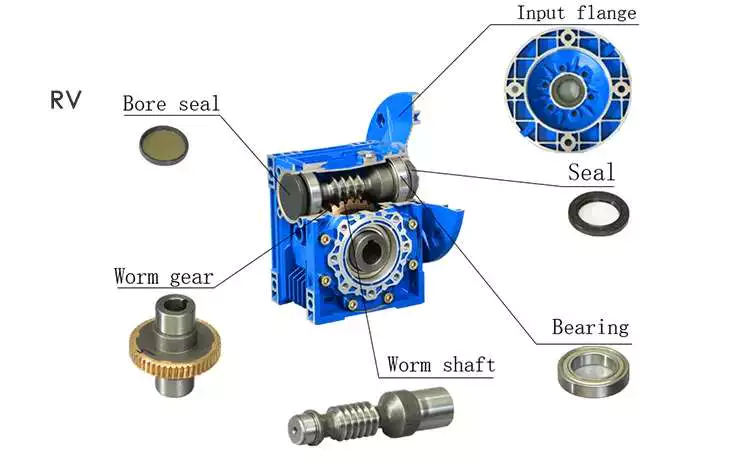
A worm gear reducer gearbox is a transmission mechanism with a compact structure, large transmission ratio, and self-locking function under certain conditions. The worm gear reducer gearbox series products are designed with American technology and have the characteristics of stable transmission, strong bearing capacity, low noise, and compact structure. In addition, these products can provide a wide range of power supplies. However, these worm reducer gearboxes are prone to leaks, usually caused by design flaws.
Worm gear reducer gearboxes are available in single-stage and double-stage. The first type consists of an oil tank that houses the worm gear and bearings. The second type uses a worm gear with a sleeve for the first worm gear.
When choosing a gear reducer gearbox, it is essential to choose a high-quality unit. Improper gear selection can cause rapid wear of the worm gear. While worm gear reducer gearboxes are generally durable, their degree of wear depends on the selection and operating conditions. For example, overuse, improper assembly, or working in extreme conditions can lead to rapid wear.
Worm reducer gearboxes reduce speed and torque. Worm gears can be used to reduce the speed of rotating machines or inertial systems. Worm gears are a type of bevel gear, and their meshing surfaces have great sliding force. Because of this, worm gears can carry more weight than spur gears. They are also harder to manufacture. However, the high-quality design of the worm gear makes it an excellent choice for applications requiring high torque and high-speed rotation.
Worm gears can be manufactured using three types of gears. For large reduction ratios, the input and output gears are irreversible. However, the worm reducer gearbox can be constructed with multiple helices. The multi-start worm drive also minimizes braking effects.
Self-locking function
The worm reducer gearbox is self-locking to prevent the load from being driven back to the ground. The self-locking function is achieved by a worm that meshes with the rack and pinion. When the load reaches the highest position, the reverse signal is disabled. The non-locking subsystem back-drives the load to its original position, while the self-locking subsystem remains in its uppermost position.
The self-locking function of the worm reducer gearbox is a valuable mechanical feature. It helps prevent backing and saves the cost of the braking system. Additionally, self-locking worm gears can be used to lift and hold loads.
The self-locking worm gear reducer gearbox prevents the drive shaft from driving backward. It works with the axial force of the worm gear. A worm reducer gearbox with a self-locking function is a very efficient machine tool.
Worm gear reducer gearboxes can be made with two or four teeth. Single-ended worms have a single-tooth design, while double-ended worms have two threads on the cylindrical gear. A multi-boot worm can have up to four boots. Worm reducer gearboxes can use a variety of gear ratios, but the main advantage is their compact design. It has a larger load capacity than a cross-shaft helical gear mechanism.
The self-locking function of the worm reducer gearbox can also be used for gear sets that are not necessarily parallel to the shaft. It also prevents backward travel and allows forward travel. The self-locking function is achieved by a ratchet cam arranged around the gear member. It also enables selective coupling and decoupling between gear members.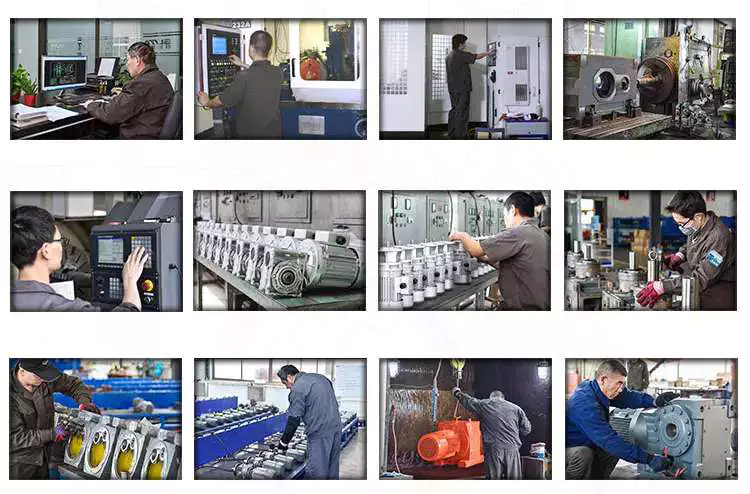
high gear ratio
Worm reducer gearboxes are an easy and inexpensive way to increase gear ratios. These units consist of two worm gears – an input worm gear and an output worm gear. The input worm rotates perpendicular to the output worm gear, which also rotates perpendicular to itself. For example, a 5:1 worm gearbox requires 5 revolutions per worm gear, while a 60:1 worm gearbox requires 60 revolutions. However, this arrangement is prone to inefficiency since the worm gear experiences only sliding friction, not rolling friction.
High-reduction applications require many input revolutions to rotate the output gear. Conversely, low input speed applications suffer from the same friction issues, albeit with a different amount of friction. Worms that spin at low speeds require more energy to maintain their movement. Worm reducer gearboxes can be used in many types of systems, but only some are suitable for high-speed applications.
Worm gears are challenging to produce, but the envelope design is the best choice for applications requiring high precision, high efficiency, and minimal backlash. Envelope design involves modifying gear teeth and worm threads to improve surface contact. However, this type of worm gear is more expensive to manufacture.
Worm gear motors have lower initial meshing ratios than hypoid gear motors, which allows the use of smaller motors. So a 1 hp worm motor can achieve the same output as a 1/2 hp motor. A study by Agknx compared two different types of geared motors, comparing their power, torque, and gear ratio. The results show that the 1/2 HP hypoid gear motor is more efficient than the worm gear motor despite the same output.
Another advantage of the worm gear reducer gearbox is the low initial cost and high efficiency. It offers high ratios and high torque in a small package, making it ideal for low to medium-horsepower applications. Worm gear reducer gearboxes are also more shock-resistant.
editor by czh 2023-02-19